
Why CDOT is Dropping $2M to Save Loveland Pass
Popular Stories

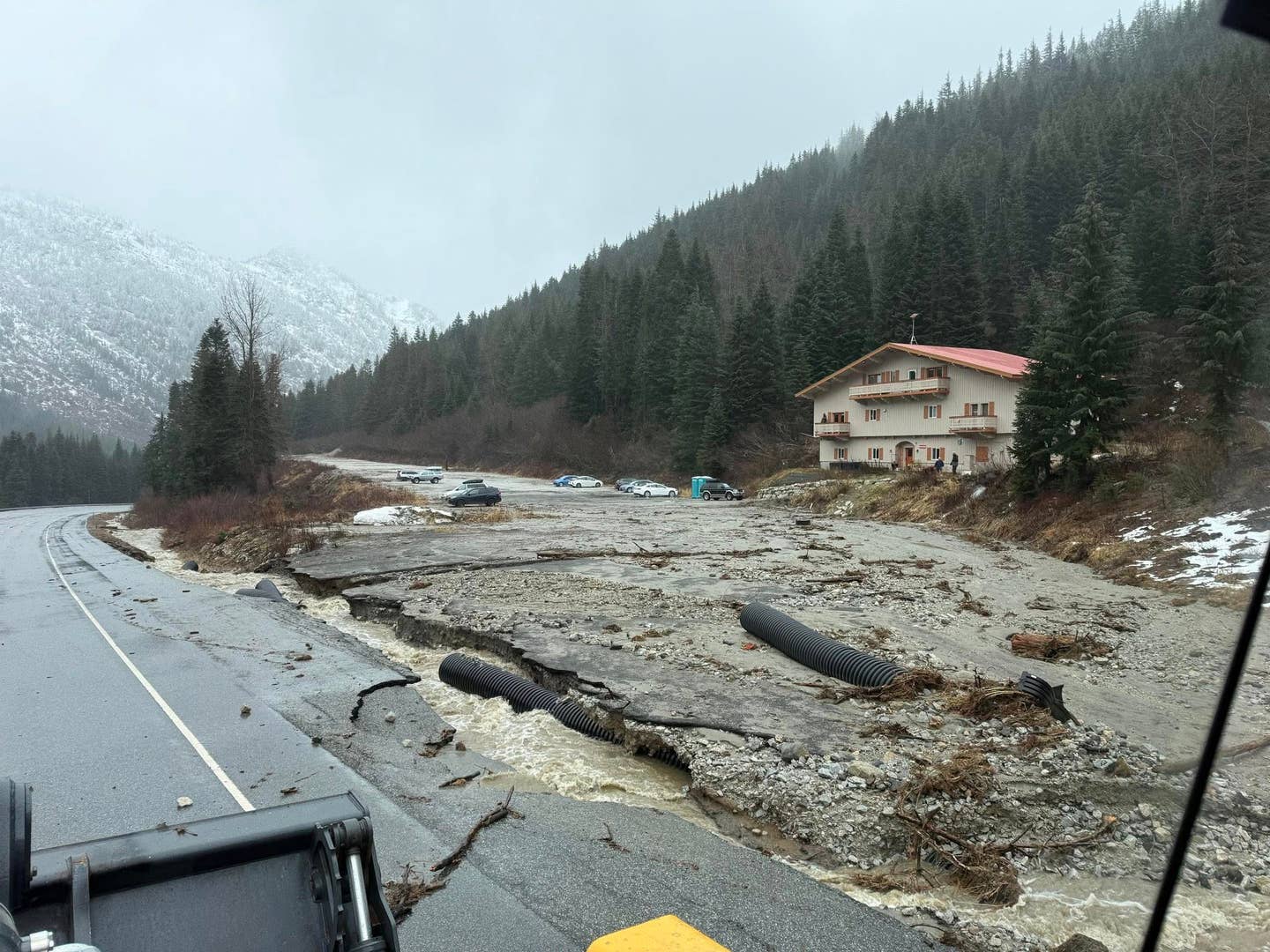


The "Seven Sisters" are some of the most notorious slide paths in the Colorado high country. For a decade, the Colorado Department of Transportation (CDOT) has relied on a series of Gazex exploder tubes to keep U.S. Highway 6 clear for locals and hazmat crews. However, after a series of equipment failures, the state is officially moving toward a $2 million replacement of the aging system.
The Risk of "Catastrophic Failure"
The urgency comes after three of the ten steel tubes suffered structural breakdowns. In one dramatic incident in February 2025, a tube literally shattered during a remote detonation. While CDOT clarifies that "catastrophic failure" refers to the equipment itself and not a direct threat to public safety, the lack of reliable remote triggers puts more pressure on manual mitigation teams.
Sign Up for the TGR Gravity Check Newsletter Now
Upgrading to Next-Gen Tech
The $2 million funding, approved by the Colorado Transportation Commission, will likely shift the Pass toward Wyssen Avalanche Control towers. Unlike the fixed Gazex pipes that mix oxygen and propane, these newer towers deploy charges via a remote-controlled tether. This technology is already proving its worth near the Eisenhower-Johnson Memorial Tunnels, allowing crews to work more efficiently and safely during the dark of night.
Keeping the Pass Clear
Loveland Pass is more than just a road; it’s a gateway to some of the best backcountry access in the state. While the construction is slated for this summer, CDOT assures the public that backup systems, like the truck-mounted "avalauncher" cannons, remain operational to keep the road open when the snow starts stacking up.