When the Mountains Move: TGR Avalanche Incidents and the Lessons They Leave Behind
Shop Now

Anomaly Polartec® Fleece Anorak
$125.00

Salad Days Polartec® Fleece Pant
$60.00
Popular Stories
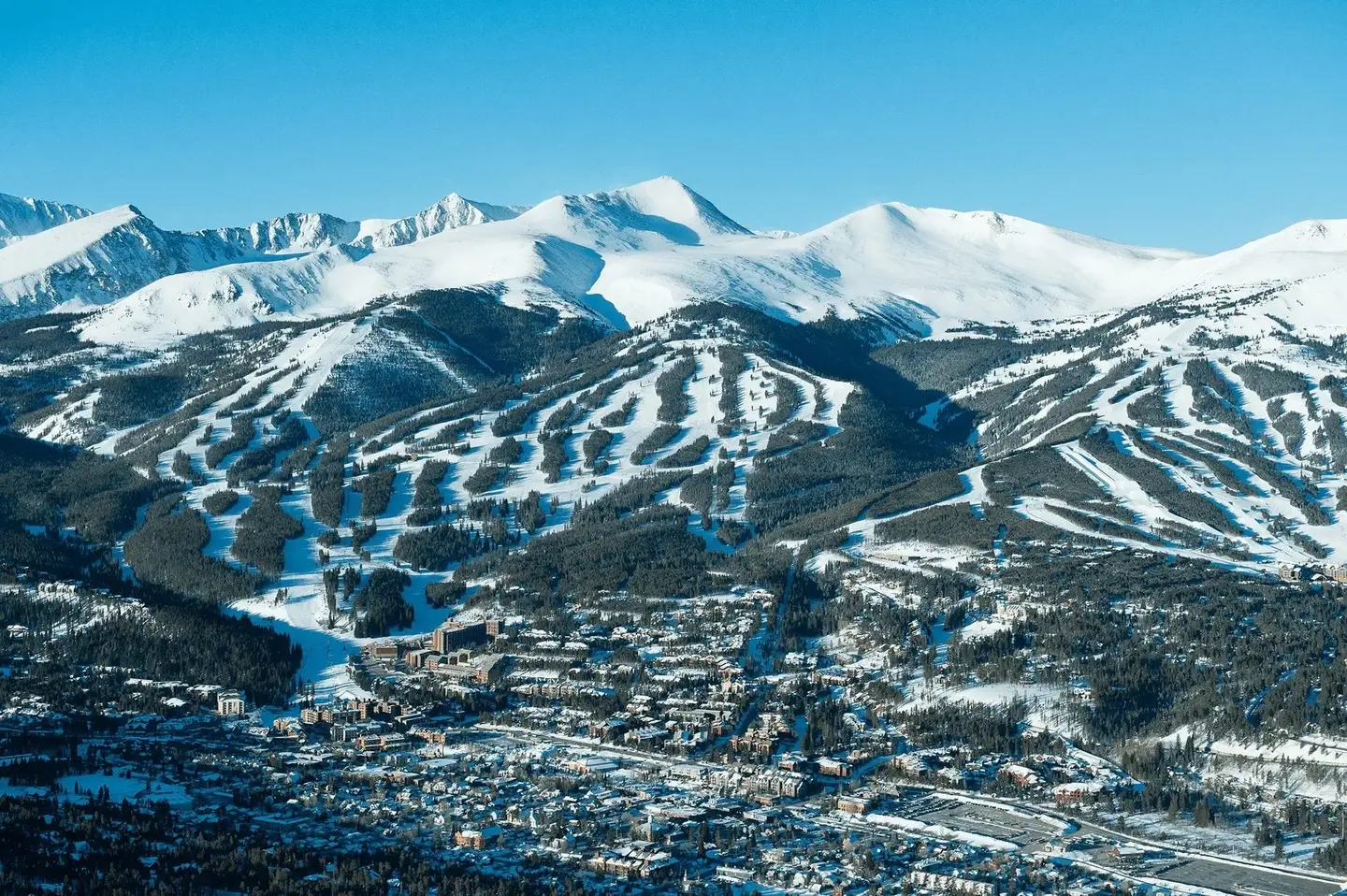
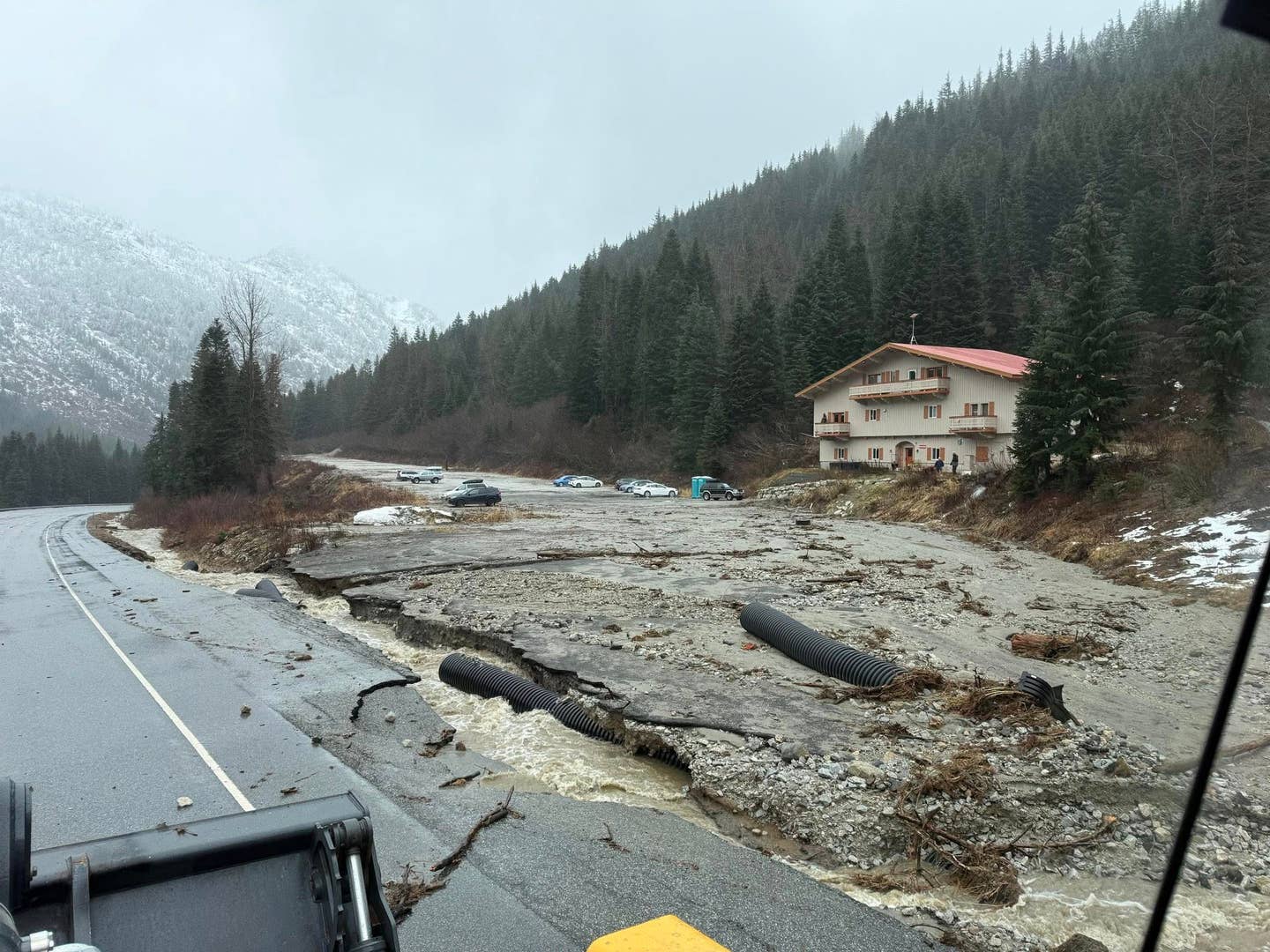
At Teton Gravity Research, we live for the moments where everything aligns—the light, the snow, and the line. However, decades of filming in the world's most remote ranges have taught us that the mountains always have the final word. While the big screen often highlights the glory of a stomped landing, the reality of the backcountry includes moments of intense vulnerability.
By revisiting three specific incidents from our history, we aim to bridge the gap between high-adrenaline filming and the essential education needed for every backcountry traveler.
The Sammy C Project: Knowing When to Fold (2015)
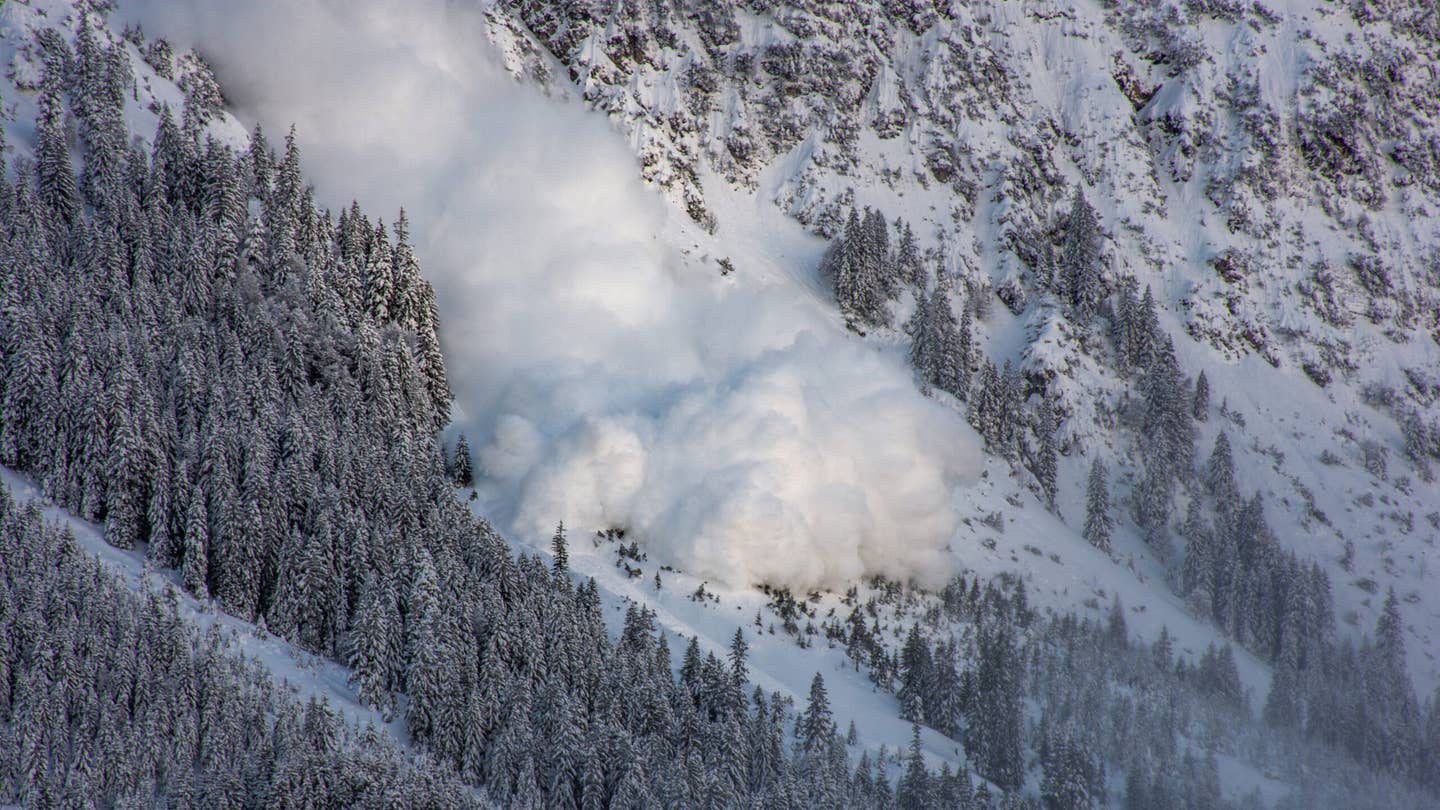
Filming for a major project brings real pressure to perform, but the mountains don’t care about production schedules. In 2015, that reality hit home when Sammy was caught in a slide, an incident that proved how quickly conditions can unravel, even for the most experienced athletes
The Lesson: No one is immune to risk, fear, or bad conditions. Getting caught in a slide was a stark reminder that no matter your experience level it doesn’t always equal control. The most professional move isn’t always sending, it’s recognizing when the red flags are stacking up and pivoting to safer terrain.
Far Out: The Unpredictable Slab (2018)
Even on a line scoped from the valley deck, things can change in an instant once you are on the hanging face. This incident highlighted how quickly a "dream day" can shift into a high-stakes scenario, reminding us that no-fall zones are earned through constant vigilance.
The Lesson: The planning doesn’t end when you drop. Johnny Collinson’s incident shows that constant assessment—listening to the snow, reading fractures, and being ready to react—is critical in exposed terrain where there’s no pause button.
Winterland: The Risk of the Familiar (2019)
Even in familiar terrain, winter conditions can stack the deck fast. While filming Winterland, Nick McNutt was caught in an avalanche—a reminder that comfort and repetition don’t equal immunity. What felt manageable moments earlier shifted instantly, forcing real consequences into the frame and turning a routine filming day into a serious situation.
Sign Up for the TGR Gravity Check Newsletter Now
The Lesson: Familiarity can quietly lower your guard. Nick’s slide highlights how quickly it can creep in when you’re riding terrain you’ve scoped, ridden, or filmed before. Treat every lap like it’s the first of the day—checking conditions, discussing escape options, and respecting that the snowpack doesn’t remember yesterday’s results.
Understanding the Risks of the Backcountry
Backcountry travel is an inherently risky pursuit where the "human factor" is often the most dangerous element. Whether it’s the desire to get the shot or the "groupthink" that leads us into unstable terrain, staying safe requires a culture of open communication.
Avalanche Aware: Free Online Avalanche Safety Course
By
Nico JohnsonKey Safety Protocols:
- Get the Gear: Never step off-piste without a beacon, shovel, and probe.
- Get the Education: An AIARE Level 1 course is the baseline for anyone serious about the backcountry.
- Check the Forecast: Daily reports from local avalanche centers are your most valuable resource before leaving the house.
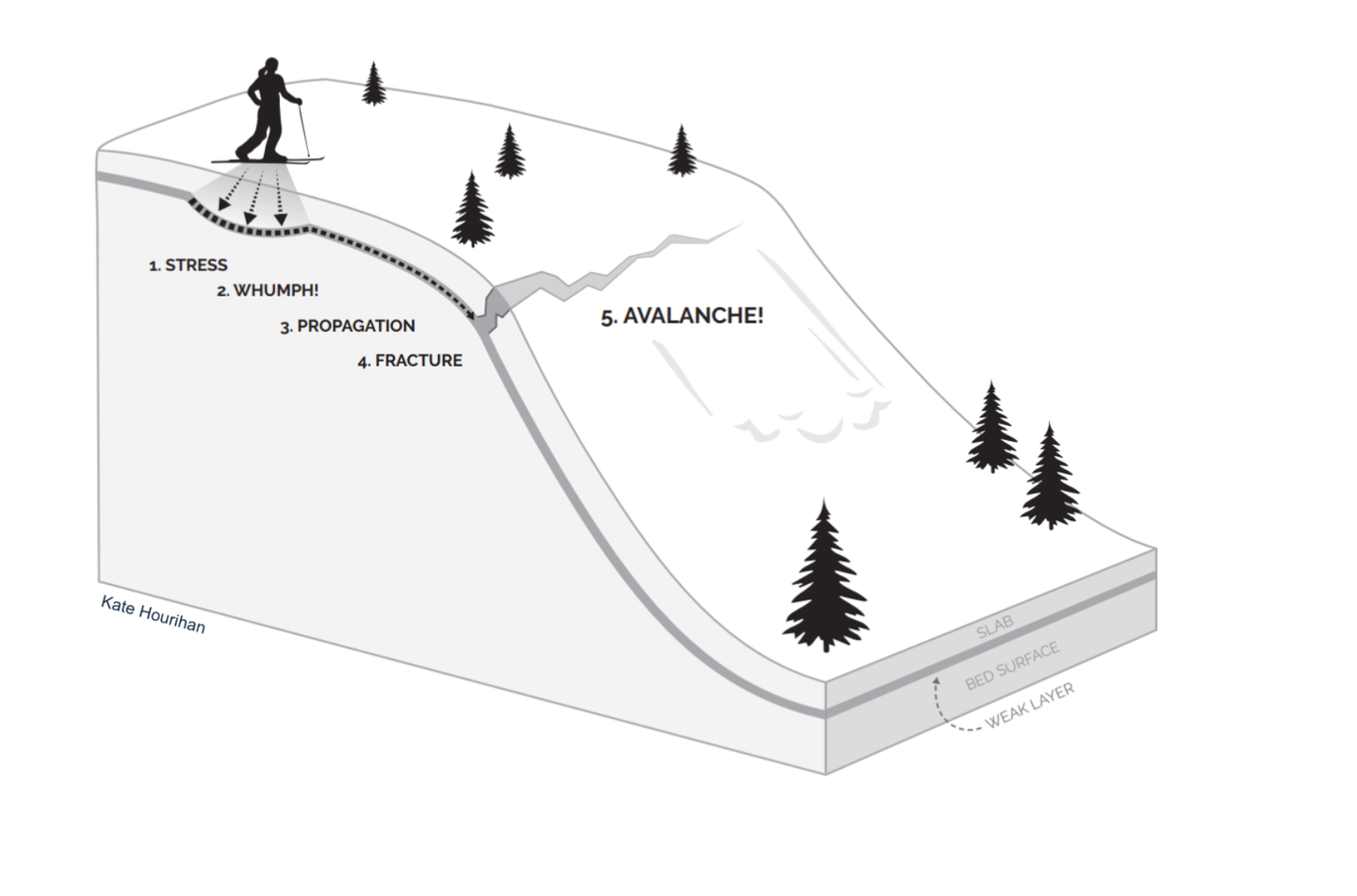
- Watch the Red Flags: Look for recent slides, "whumpfing" sounds, and rapid warming as clear signs the mountain is telling you to stay clear.
The goal is always the same: have the ride of your life and make it home to do it again tomorrow.