The Way It Was: A Grandfather’s Story Passed On
Shop Now

Los Alamos Flame Beanie
$40.00

Bozeman Hat
$40.00
Popular Stories
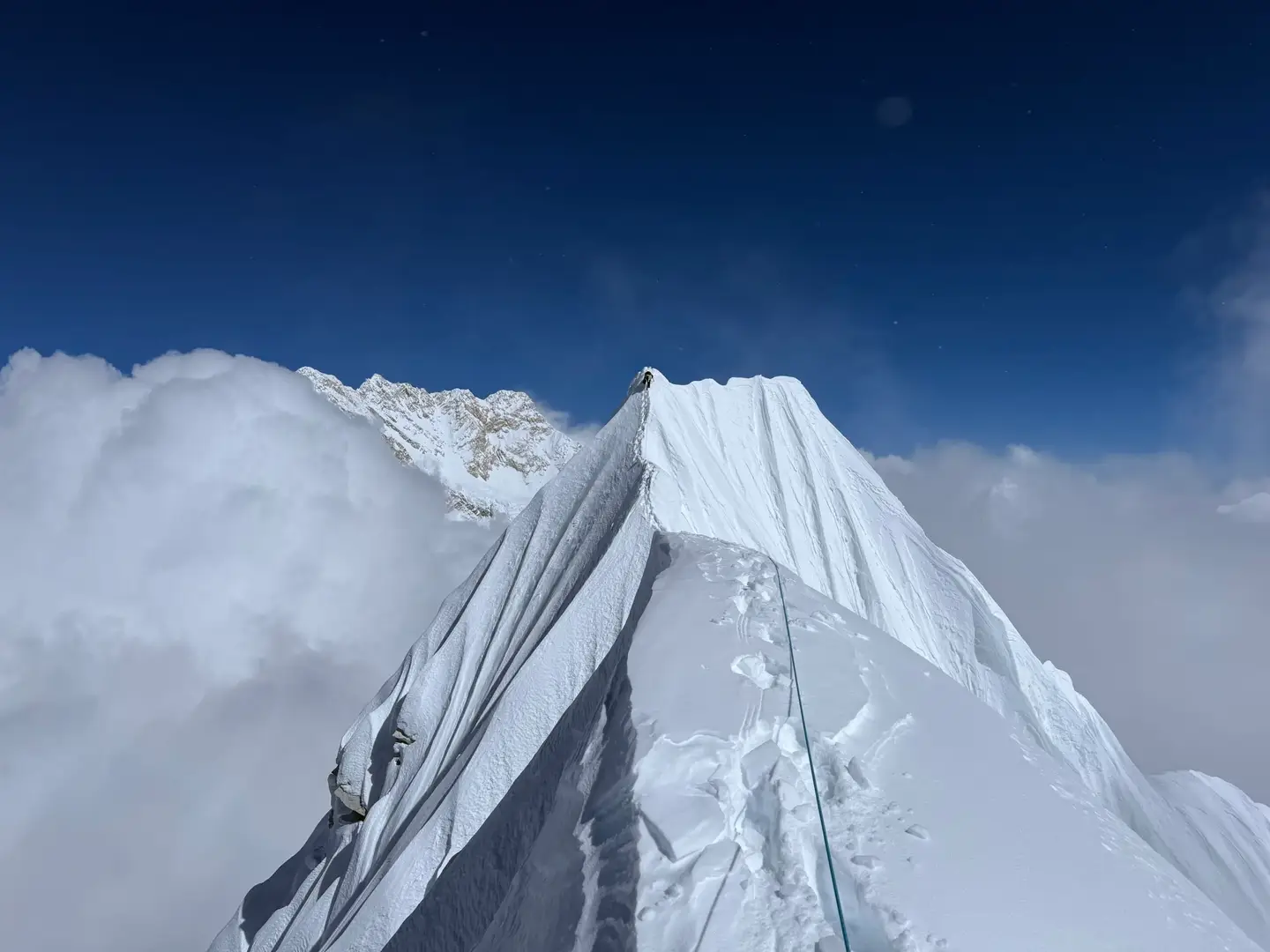
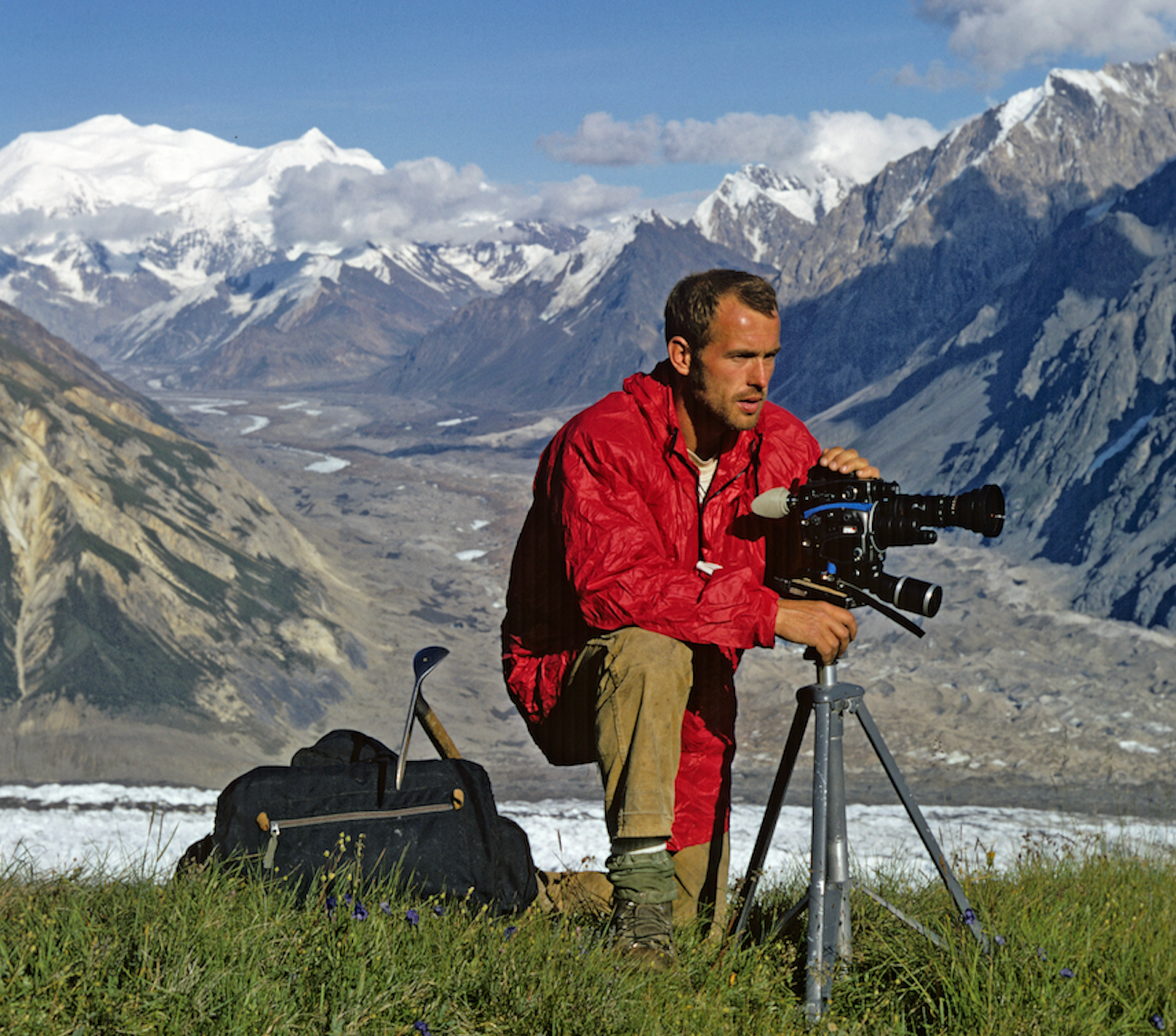
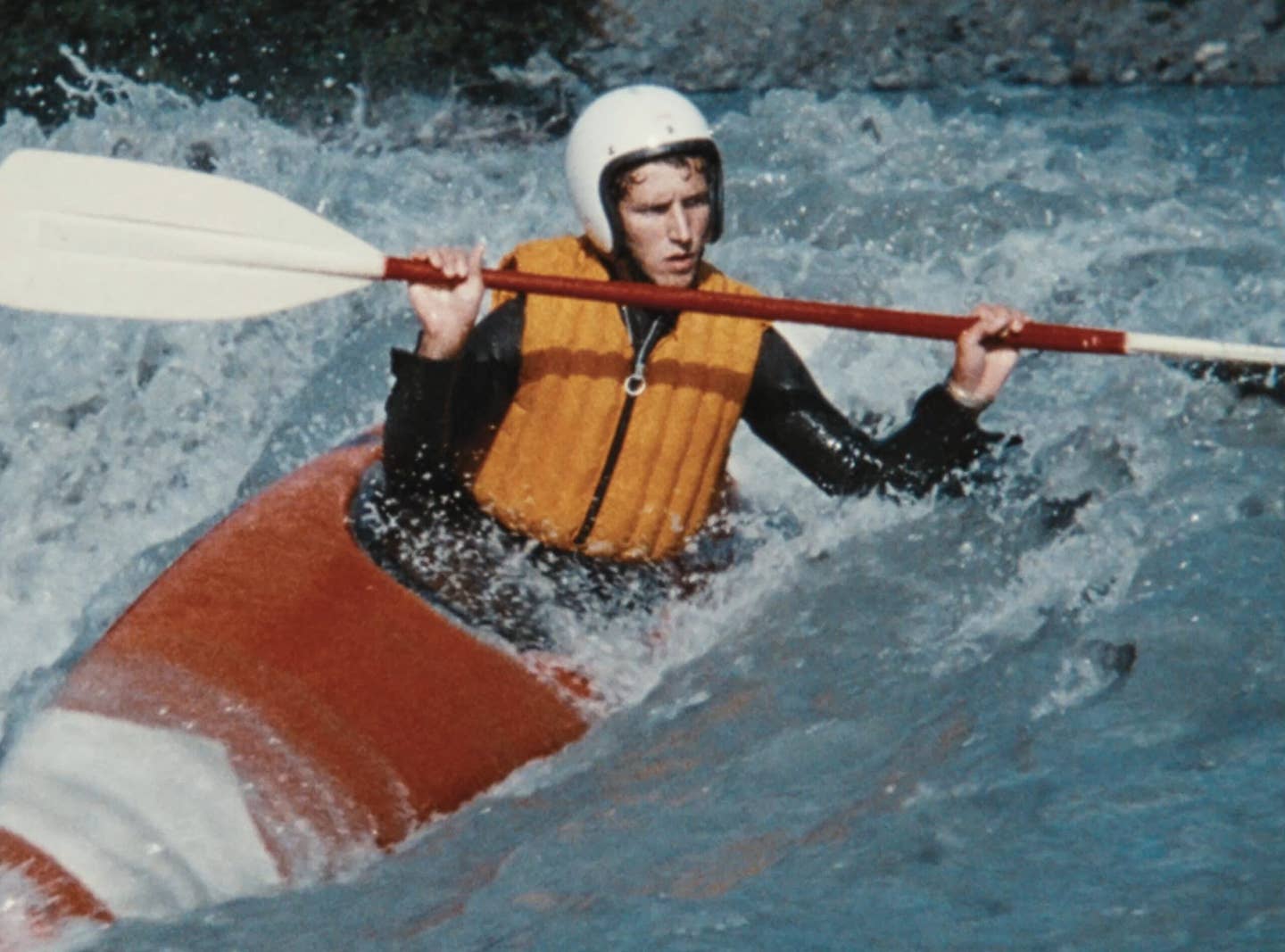
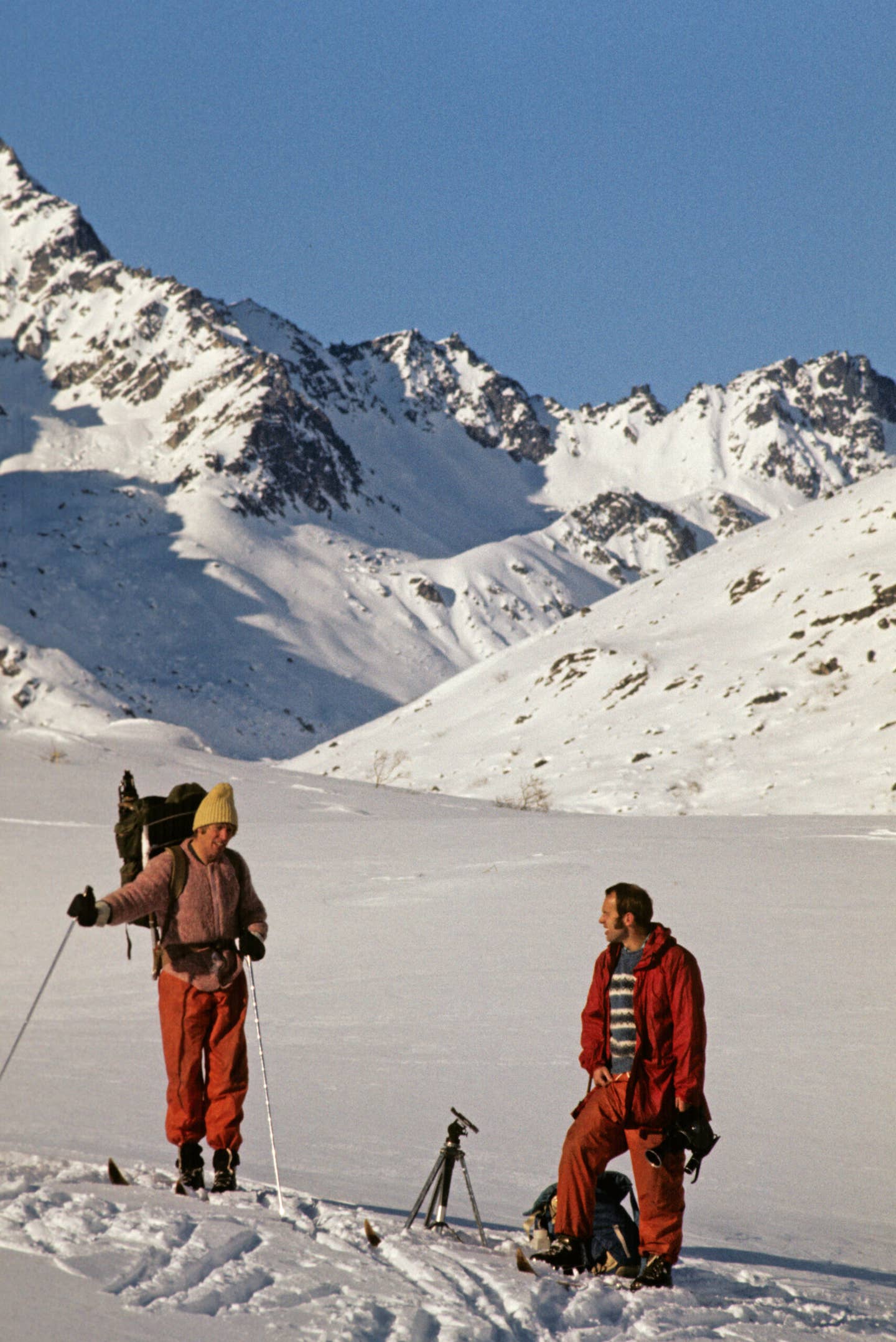
Some films don’t start with a pitch, they start when your grandfather hands you 13 terabytes of 16mm film documenting an untouched Alaska throughout the 1970s. Skiing, floating, fishing, hunting, flying, Chuck Wirschem filmed it all.
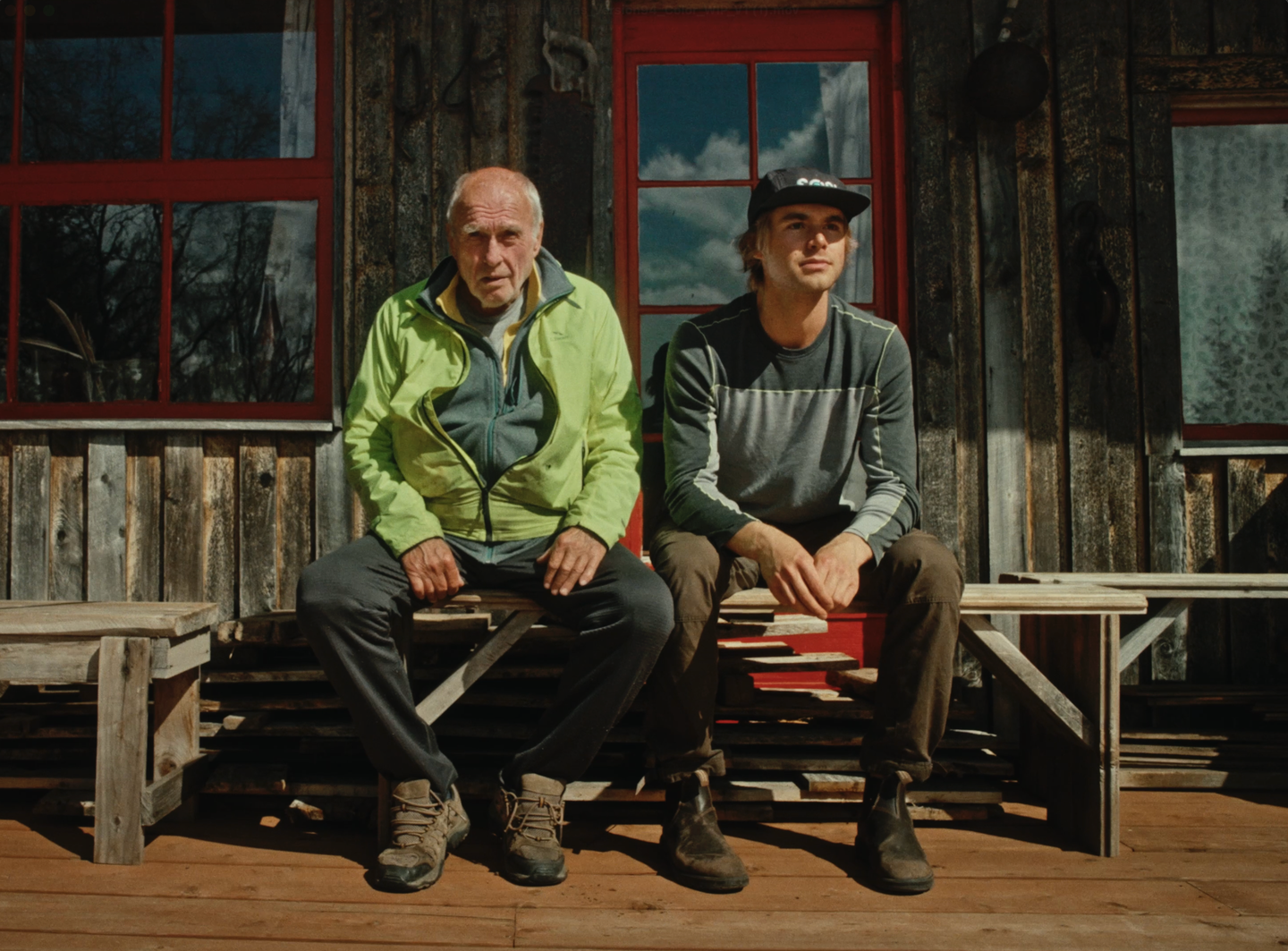
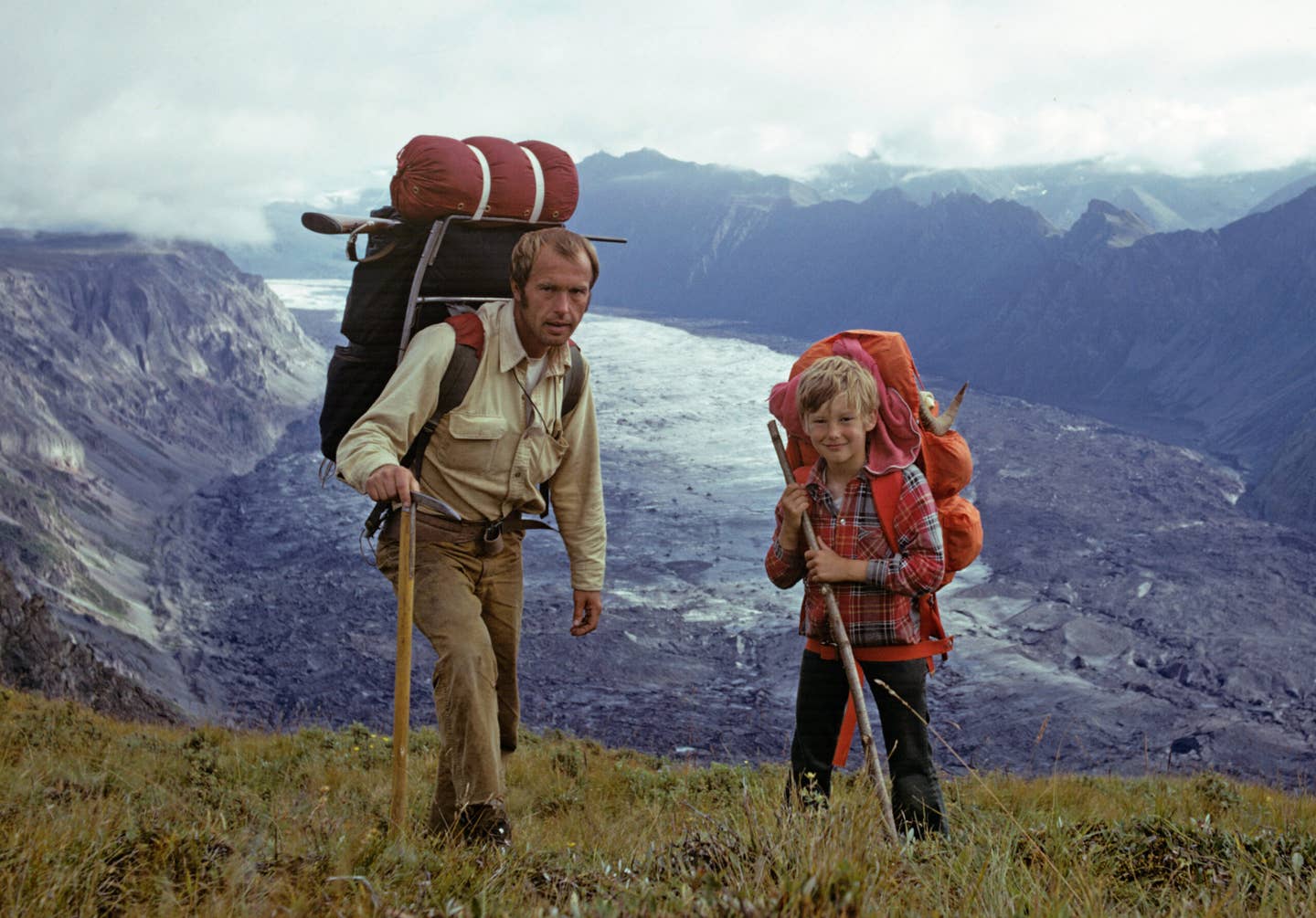
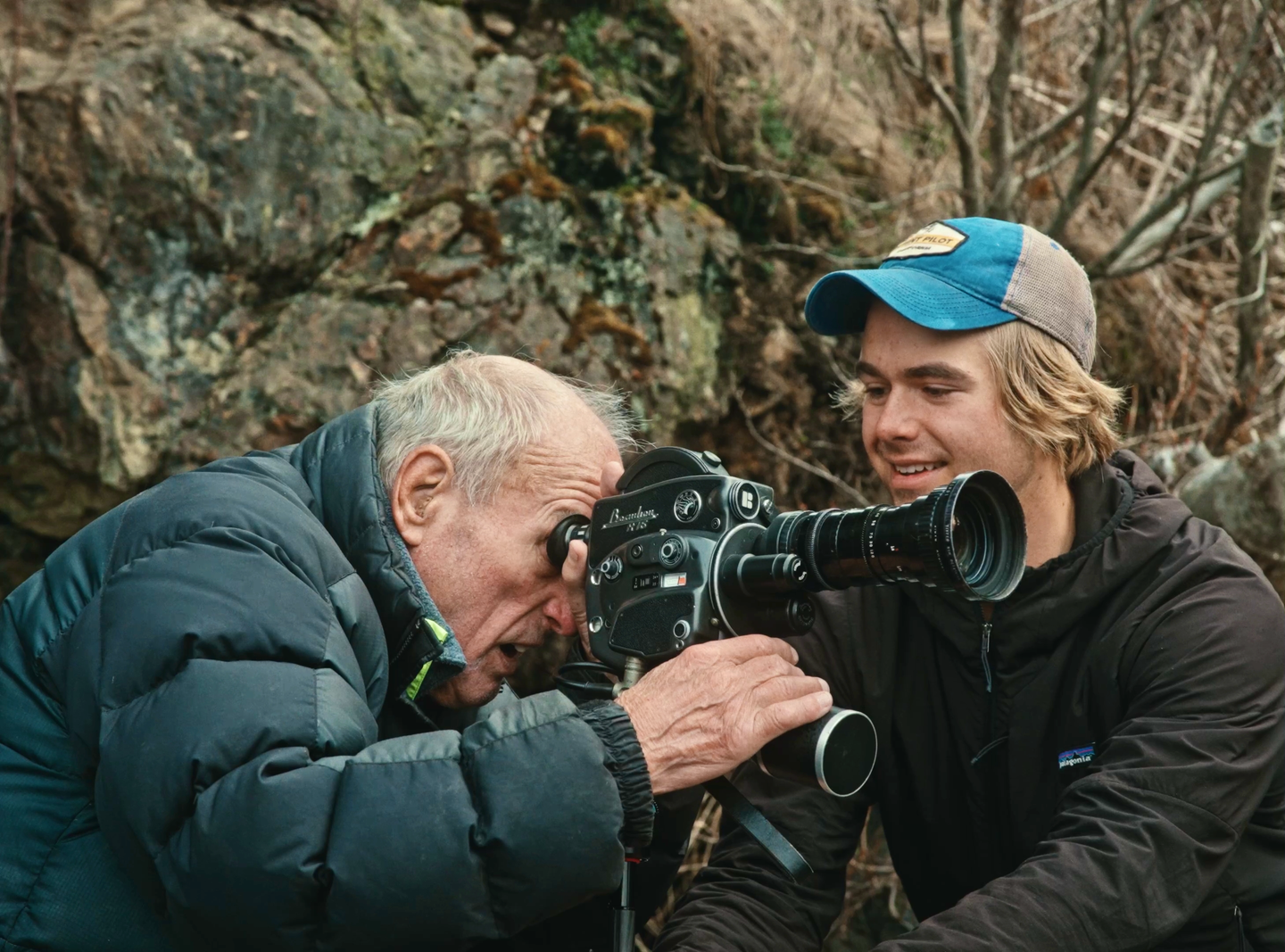
After 10 years of shooting, he wanted to make a movie out of the footage, but got burnt out during the edit. So, the footage sat in a safe deposit box for 50 years. When his grandson, Max Sauerbrey, turned 18, he gave him a hard drive containing not only the unfinished project, but hours of the original footage fully digitized. After graduating from film school, Max finally felt ready to dive deep into the story and show the footage in a way that honored his grandfather. Together with co-director Juliette Benedetto, they returned to Alaska to help Chuck finish what he started, with nothing but a camera, a vision, and a pull toward the unknown.
What was created is more than a restoration project. It’s a conversation about adventure, purpose, and what it means to look back on a life fully lived. The footage is gritty, the emotions are real, and the Alaska vibrations are strong. After watching Part 1 myself (linked below), I was highly impressed with Chuck’s ability to capture these moments in such a beautifully cinematic manner.
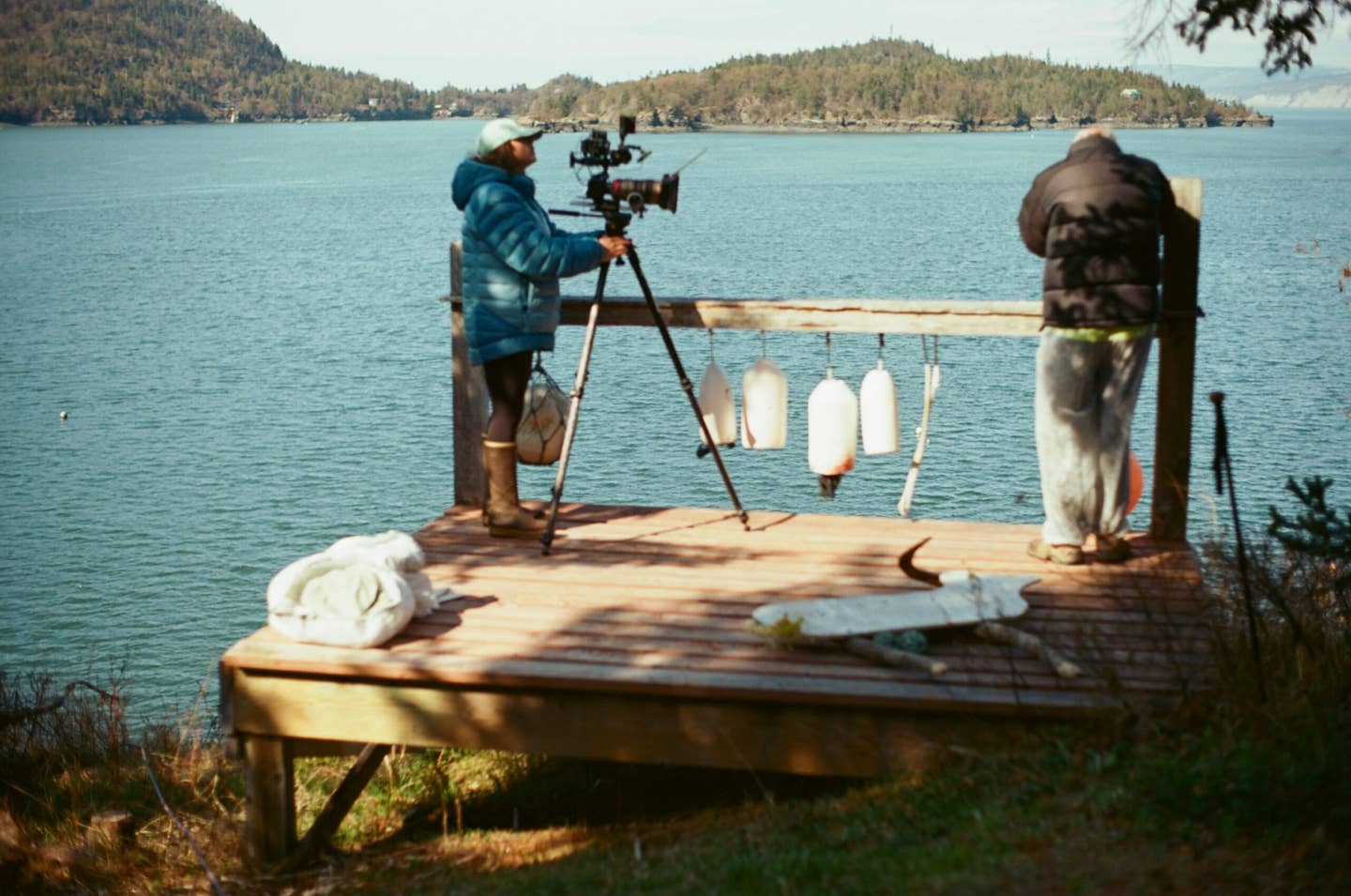
In the following interview, the trio breaks down how a forgotten archive became a modern film with something to say; and how finishing Chuck’s unfinished story changed their own.
Howdy! Let’s start by hearing your story, and what you’re hoping to do with these films.
JULIETTE: Max and I started working on films together in college. We quickly realized our strengths complemented each other’s weaknesses, but more importantly, we’re both hungry to create. We’ve traveled the world filming for companies and non-profits, but ultimately knew we wanted a career in the film industry. To do that, you need to show an audience your unique perspective on a story. ‘The Way It Was’ is exactly that. It’s our vision for the kind of work we want to do in the future.
This project began with a box of forgotten 16mm reels. What was the exact moment you realized there was a story here worth finishing?
JULIETTE: For Max, as soon as he saw the footage, he knew it had to see the light of day. For myself, it wasn’t until I met Chuck. The 16mm footage is unbelievable, but getting to know the man behind the camera, and what a character he is, really transforms this from an ‘edit’ into a ‘film’. Chuck’s personality, his stories, and his perspective give the footage depth and soul.
When you first watched Chuck’s original footage from the 1970s, what did it reveal about him that you didn’t already know as his grandson?
MAX: There’s this moment I think a lot of people have with our parents and grandparents, where we realize that they had a life before we were around. Seeing Chuck’s footage for the first time was 100% that moment for me. I’d hear these stories around the campfire or the dinner table throughout my childhood, but seeing them made them tangible, which gave me a whole new perspective on his character, and how much of a badass he is.
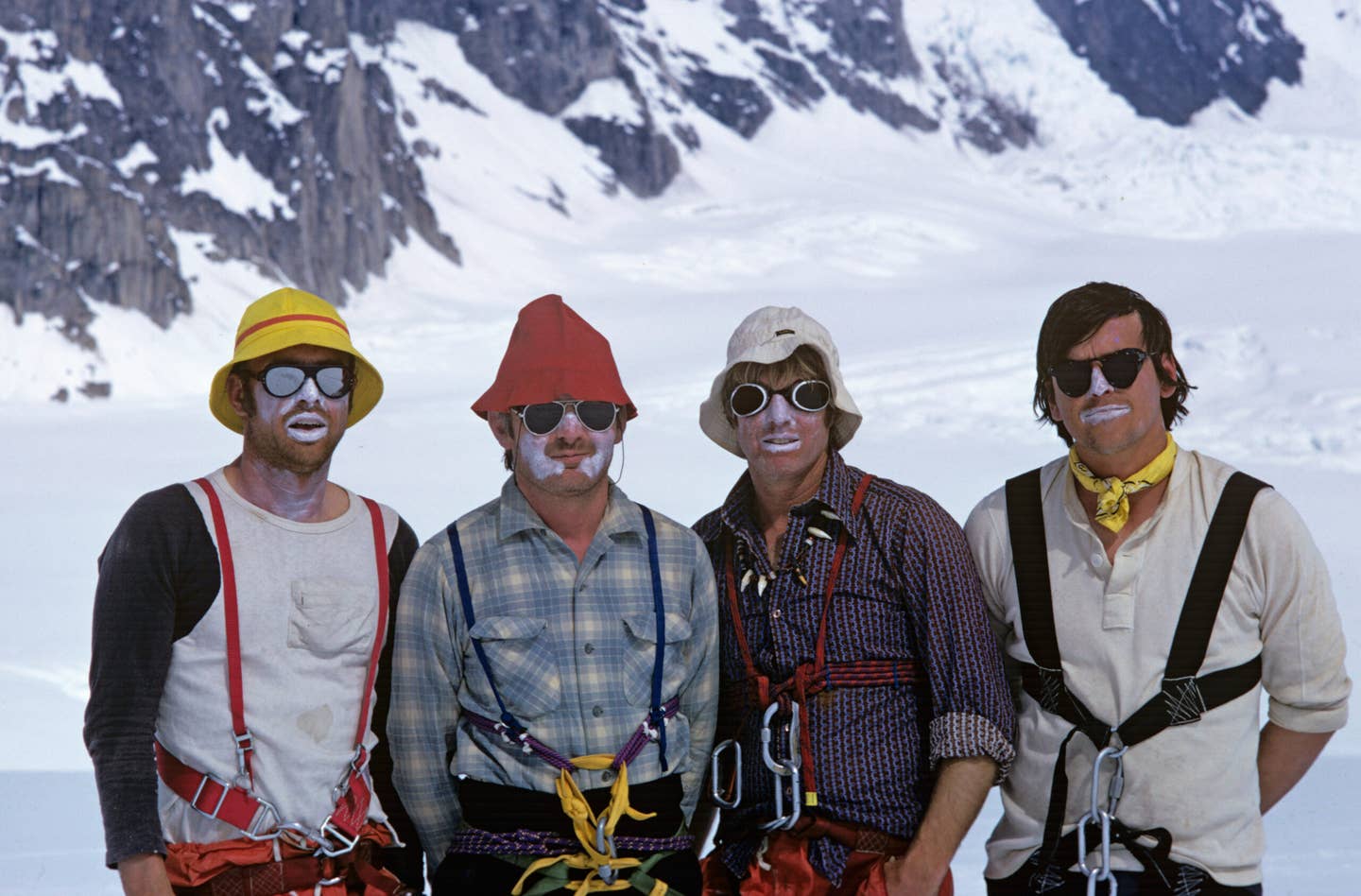
Chuck, what did it feel like to see images you shot 50 years ago suddenly come back to life?
CHUCK: It’s very happy and satisfying to be recognized for all the hours of work and money invested from 1970–1985. I knew when I shot the footage that someday an exciting film would be created from all the work I did. It’s awesome to see Max and Juliette take up this project. The biggest “Whoopdy Doo” is seeing my footage for the first time on the big screen. It’s a total “Wow.”
The central question of the film is whether it’s better to remember the past or relive it. Did your answer to that change while making the series?
JULIETTE: Max and I naively assumed Chuck would do anything to experience that adventure again. That’s how we all feel as younger people, especially if you’re into outdoor activities. There never feels like enough time to do what you want to do. It can be overwhelming. But Chuck doesn’t dwell on what he could have done. Instead, he appreciates what he did. And what he did was create high-quality experiences with his family and closest friends. That shift in perspective, from chasing more to cherishing what was, really changed how we see our own lives.
MAX: Damn she crushed that answer, 100% true.
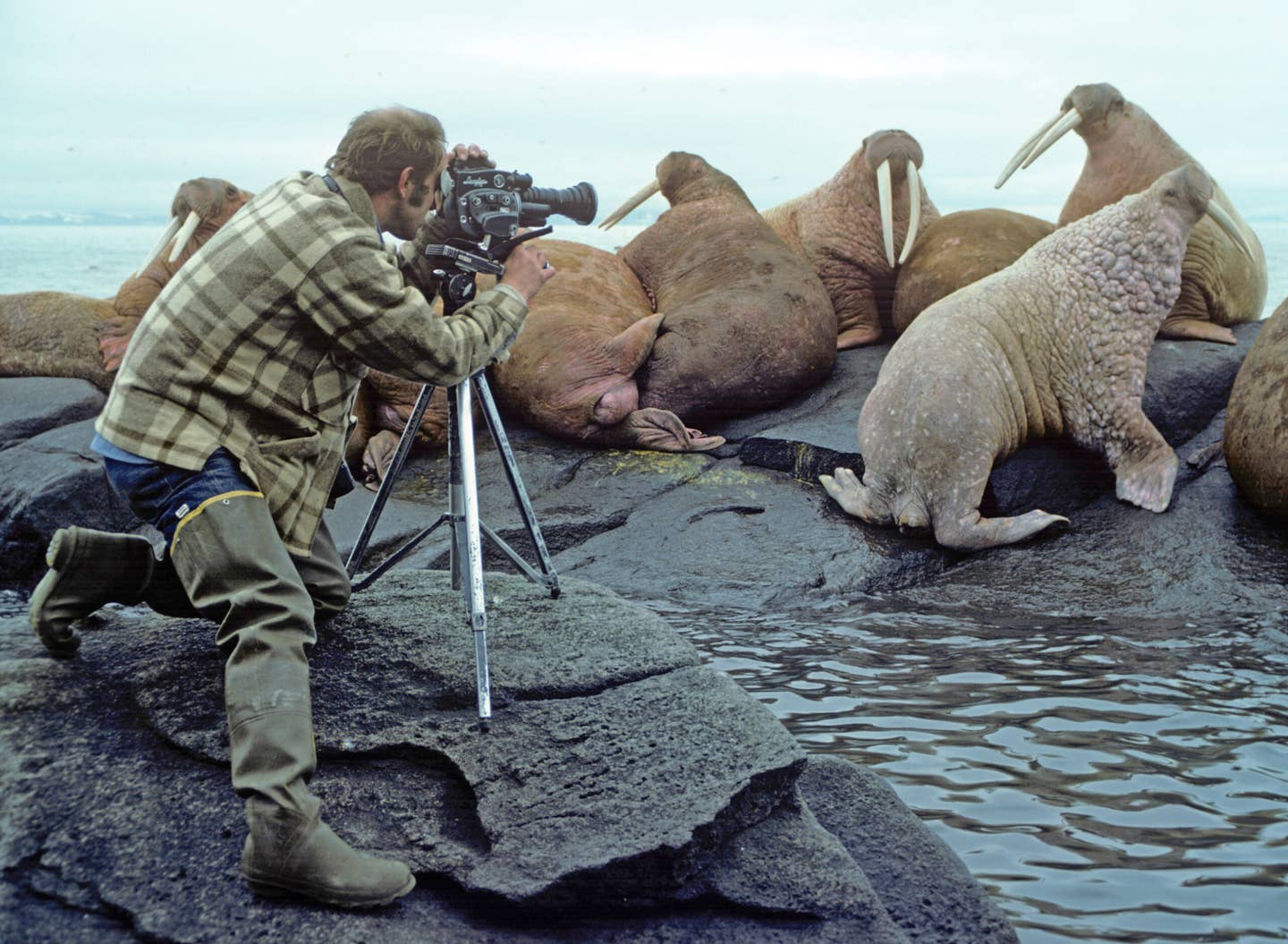
Alaska itself feels like a character in this project. How did the landscape shape both the original footage and the modern story?
JULIETTE: Alaska is fucking insane. Chuck’s original footage captures 1970s Alaska so perfectly, untouched and wild beyond belief. Now that’s changed in a pretty intense way. We always wanted to include the state as its own character, and The Fox Farm became the perfect embodiment of that. This remote piece of land that Chuck and his friends bought in the ‘80s felt like a microcosm of the change happening not only in Alaska, but in Chuck’s life itself.
Chuck, when you originally shot this film in the ’70s, did you ever imagine it might be finished half a century later?
CHUCK: I hoped so. I re-edited all the footage 5 years ago for digitizing. It’s beautiful how Max and Juliette have added emotion to the project.
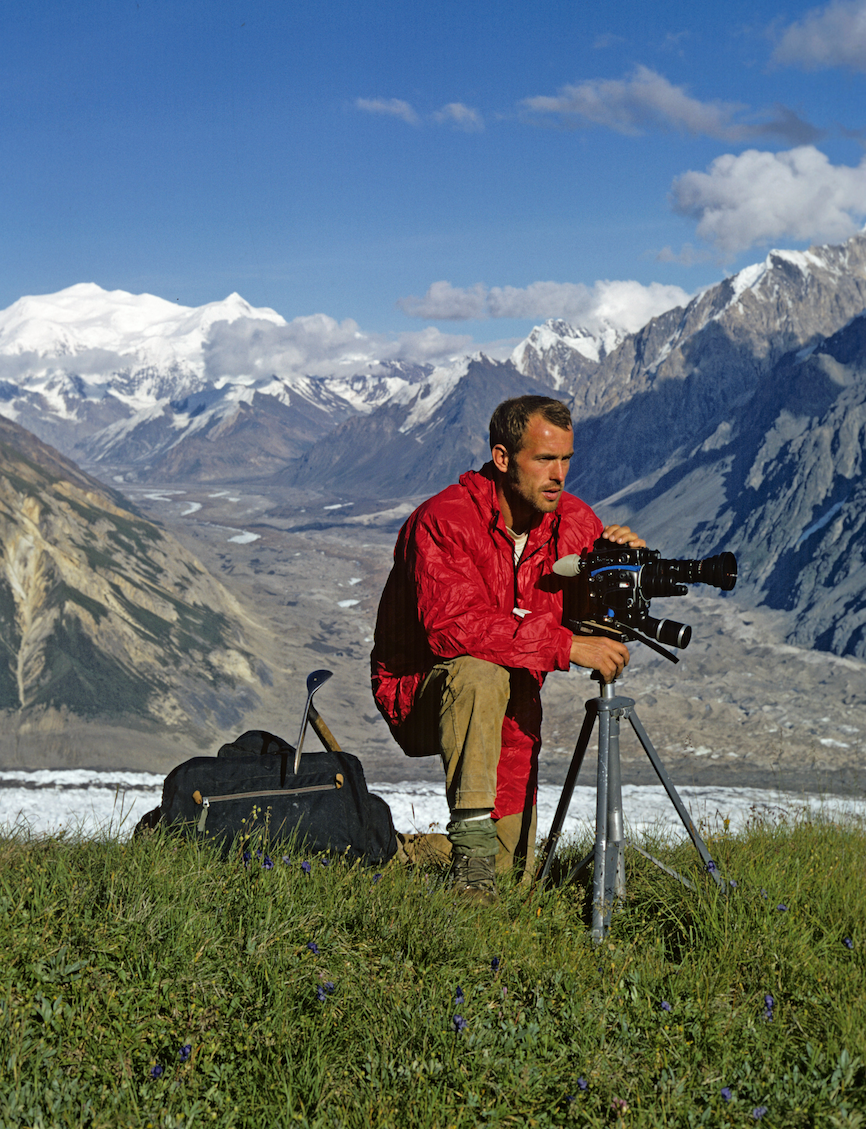
Max; what kind of pressure, or responsibility, did you feel taking on someone else’s unfinished life project?
MAX: To be honest initially there wasn’t much pressure. The odds of someone finding his footage and taking the time to do something with it unfortunately were pretty low, so I figured doing anything with it would be better than nothing, because at least it would see the light of day. THAT BEING SAID, as soon as we started filming our own present day footage and blending it with Chuck’s, that completely changed. Chuck’s level of filmmaking far exceeded our own when we started this project, and trying to have what we filmed in the present be on the level of what Chuck filmed in the past was by far the hardest part of the project. It wasn’t until the screening (3 days ago) that Chuck came up to us and said that he thinks that the level of emotion that is in the film now exceeds what would’ve been there had we only used his footage, and it is only after 2 years and dozens of versions that I feel like I can confidently say that I agree with him.
Was there a moment during production when the emotional weight of the project hit harder than expected?
JULIETTE: By the end of filming, we were all exhausted. Twenty-one consecutive days of shooting in the bitter cold of Alaska takes a toll for sure. What kept us going was remembering that the pain, exhaustion, and frustration are only temporary, what you capture on film lasts forever.
We had to push through those grueling days because if you don’t give your all at every stage of making a movie, the final result won’t feel satisfying. The commitment has to be total, no matter how exhausting.
MAX: For me years of editing and it not working was very emotionally taxing. It’s hard to describe the state of mind you live in day to day when you truly care about something succeeding, you put hundreds of hours into it, and it still doesn’t work. That weight only felt lifted off my shoulders the moment people came up after the screening and told me they laughed/cried watching it, that felt so damn good.
Sign Up for the TGR Gravity Check Newsletter Now
How did the dynamic between you change as you moved from being family to becoming creative partners?
CHUCK: My bond with Max has always been good since shooting rockets as a 4 and 5-year old. Our relationship is stronger today because of the collaboration on this film. It’s a total “yippee skippee.”
MAX: Chuck does this thing where he says, “it’s your guys’ project and your deal, do whatever you want with it”, but then he quickly mentions some notes he has and thoughts on how he thinks the edit could be better. I love it because deep down you can tell how much he cares. You’ll have to see what he thinks but we worked hard to make sure he felt that the film represented his work in a way he was excited about, even though originally if it were up to him we wouldn’t have shot anything in the present. There’s a handful of shots that he wanted that we didn’t add because we were really prioritizing the story over visuals, but overall I think we collaborated well.
The original footage was shot on 16mm; raw, imperfect, tactile. How important was it to preserve that texture instead of “modernizing” it?
MAX: Love this question, and we thought about this in a variety of ways throughout production. Modernizing the footage would be taking away what makes it so amazing in the first place, which is how “real” it feels. So we shaped all of our decisions around how we could preserve those qualities in the past footage, and how we could try and meet that same standard in the present.
What has this journey revealed about how adventure, risk, and purpose change over the course of a lifetime?
JULIETTE: There’s a kill-your-darlings scene in the film that perfectly encapsulates this. Max was discussing with Chuck a famous phrase of his: ‘Screw it and do it and ski to die.’ Max asked him what it means, and Chuck replied, ‘Live life balls to the wall—not to die, but to the edge—and do things that you want to do.’ Chuck has this wonderful ability to do what he wants because he has the confidence in himself to both succeed and fail. Sure, what you define as adventure and risk changes over the course of a lifetime, but the main idea of how you get to your personal ‘edge’ never changes.
How do the younger and older versions of Chuck compare when you place the footage side by side?
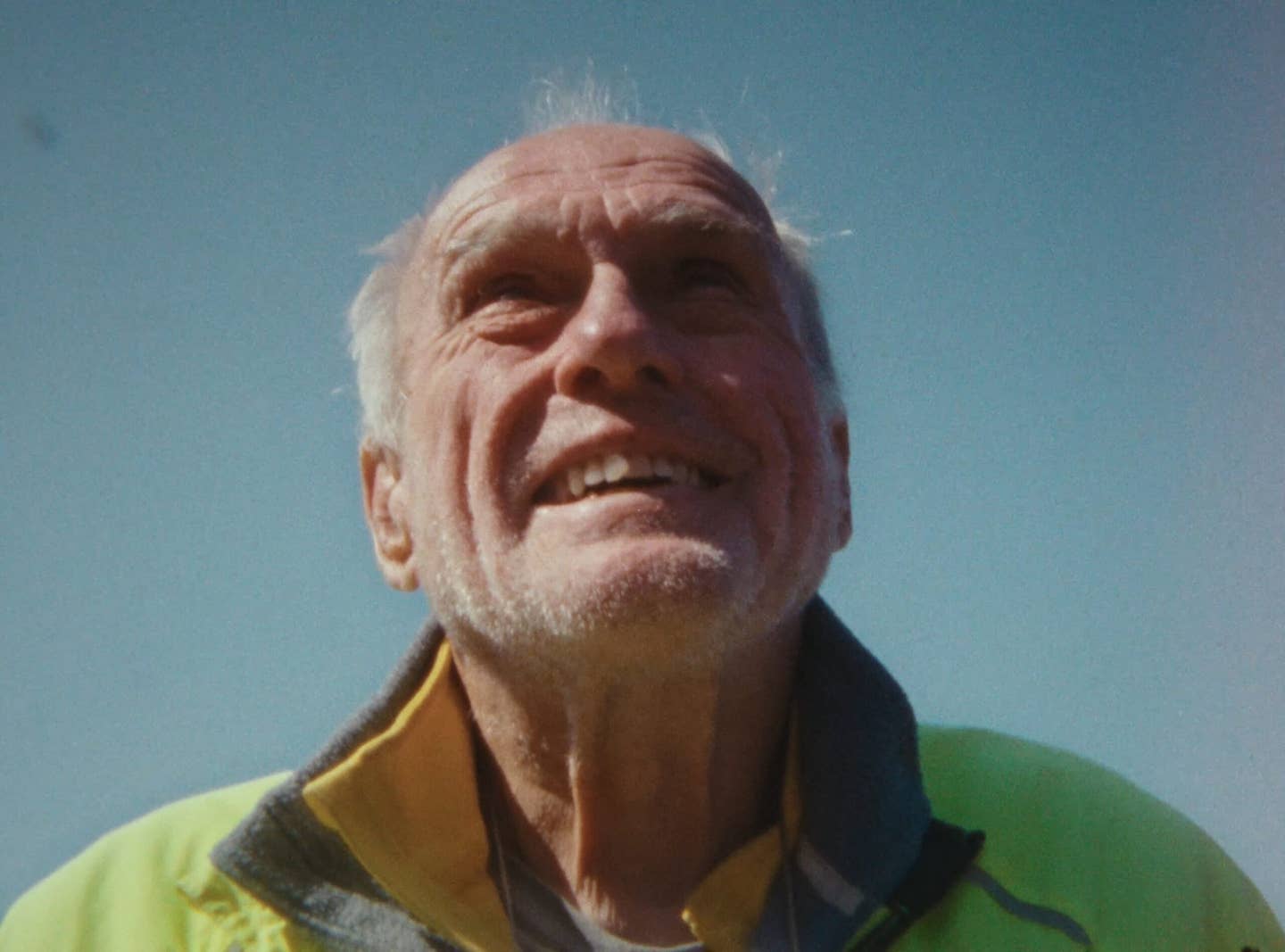
MAX: Sheesh, that’s a tough one. If I were to sum it up though, I’d say the past footage is of a man that has a vision of the life he wants to live, and is doing everything in his power to fulfill that dream. And the present footage is of a man who has lived that dream, and seeks to fill the sunset of his life with new adventures, while still looking back every once in a while and giving a wink to his past self.
What do you hope younger viewers take away from seeing a story that began long before they were born?
CHUCK: The world is changing. Unfortunately, so many experiences that we enjoy today will not be the same tomorrow. This is especially true with most hunting and fishing. The experience can still be done, but the aesthetic quality is changing. Too many people and climate change. An exception is powder skiing. Every year there is new snow, so “Screw it, Do it, and Ski to Die!”
MAX: That good memories are the highest form of wealth, and if you live your life without forgetting to go make some, I guarantee that when you look back when you’re Chuck’s age, you’ll feel the same way he does.
Finally, if you could describe this project in one word, what would it be and why?
JULIETTE AND MAX: SOUL
Why soul? Well hopefully we don’t have to explain that 😉.
The Way It Was turns a forgotten archive into a living story; one that links generations through adventure, memory, and soul.
Watch Part 1 of The Way It Was and experience the story for yourself. Linked below.