The Silent Slopes: Exploring the Ghost Resorts of Winter Past
Popular Stories
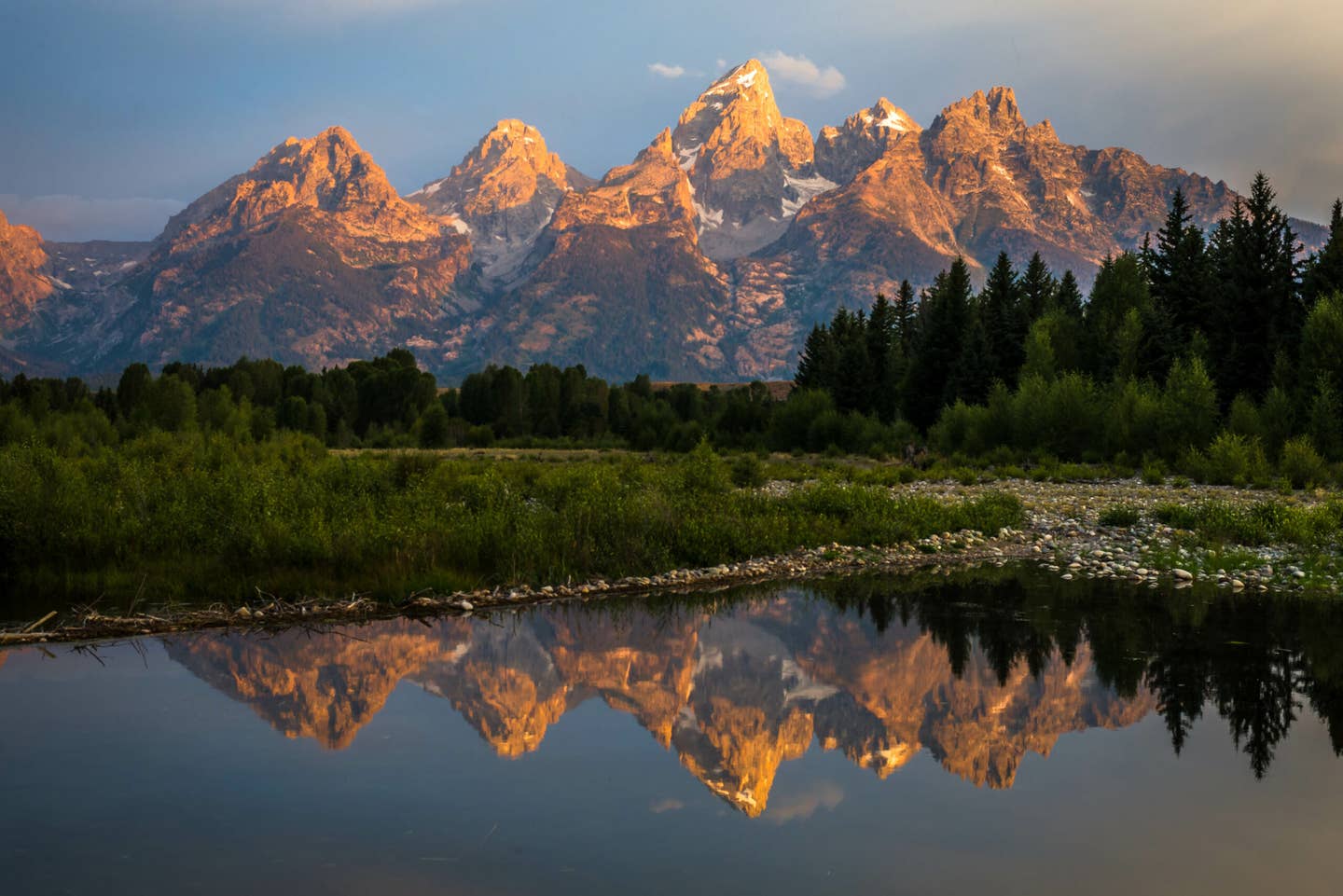
There’s a specific kind of silence that only exists in an abandoned ski area. It’s the sound of wind whistling through rusted lift towers and the creak of a lodge that hasn’t seen a fire in decades. For those who live for the backcountry, these "ghost resorts" aren't just ruins; they are time capsules of a simpler era, offering wide-open runs without the $200 lift ticket or the hour-long gondola line.
Across North America, hundreds of small-town hills have shuttered over the last fifty years, victims of rising costs, warming winters, and the consolidation of the industry. Yet, the scars of their runs remain visible on the mountainside, beckoning those willing to earn their turns.
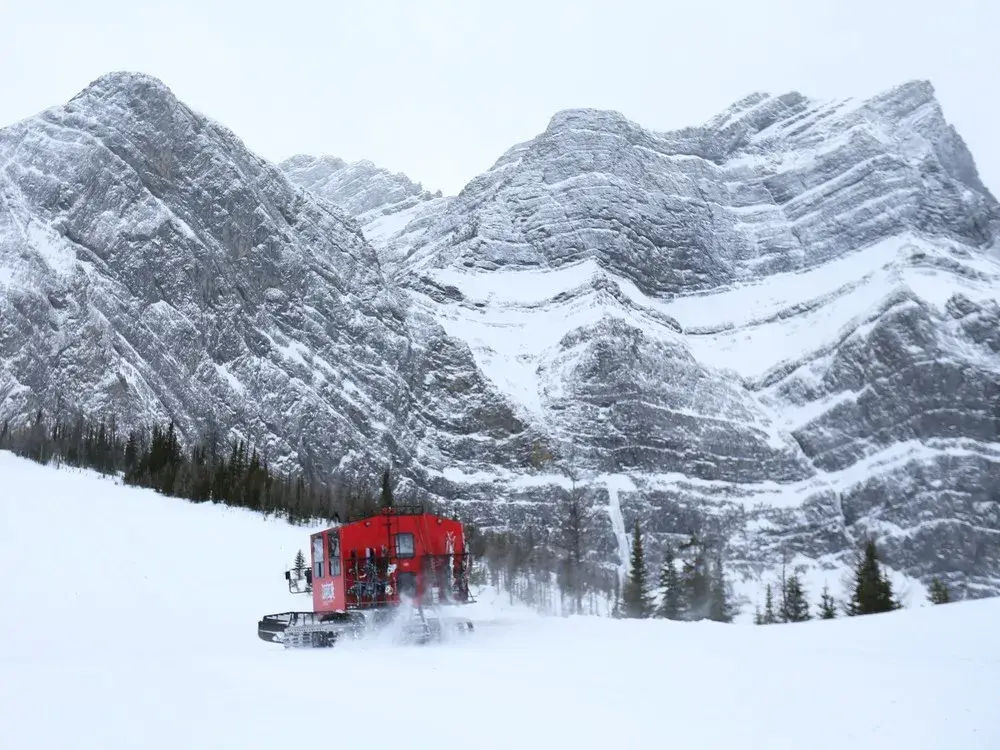
Fortress Mountain, Alberta
Perched high in the Canadian Rockies, Fortress Mountain (originally Snowridge) is the stuff of legends.
- The Demise: After a storied history that included part-ownership by Aspen Skiing Co., the resort closed its doors to lift-serviced skiing in 2005. The closure was largely due to aging infrastructure, fire code issues at the day lodge, and a lack of investment in modern amenities like on-mountain condos.
- Current Life: While the lifts stand as "ghostly" relics, the mountain is far from empty. It’s a favorite for film crews, hosting blockbusters like Inception and The Revenant, and currently operates as a premier cat-skiing destination while redevelopment plans for new lifts and a lodge continue in the background.
Berthoud Pass, Colorado
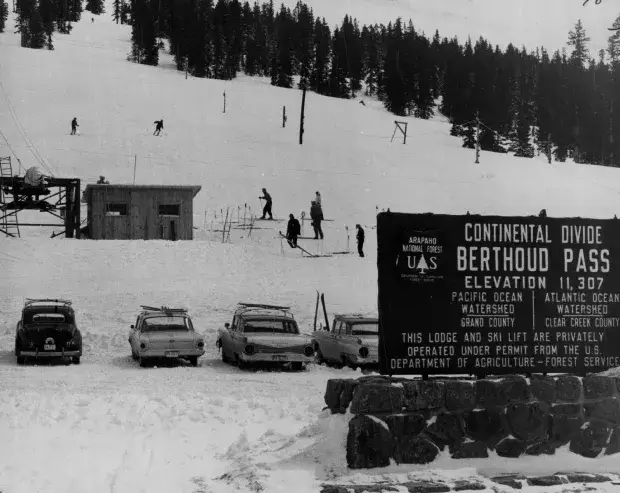
Berthoud Pass was home to Colorado’s first double chairlift and was a staple for Denverites for decades.
- The Demise: Despite its popularity, the resort struggled to keep up with the amenities and massive scale of newer Interstate-70 resorts. Lift operations officially ceased in 2001, and the lodge was later removed.
- Current Life: Berthoud is arguably the most famous ghost resort in the world. It has transitioned into a premier backcountry destination where hundreds of riders "hitchhike" back up the pass after dropping into legendary powder stashes and steep couloirs.
Iron Mountain, California
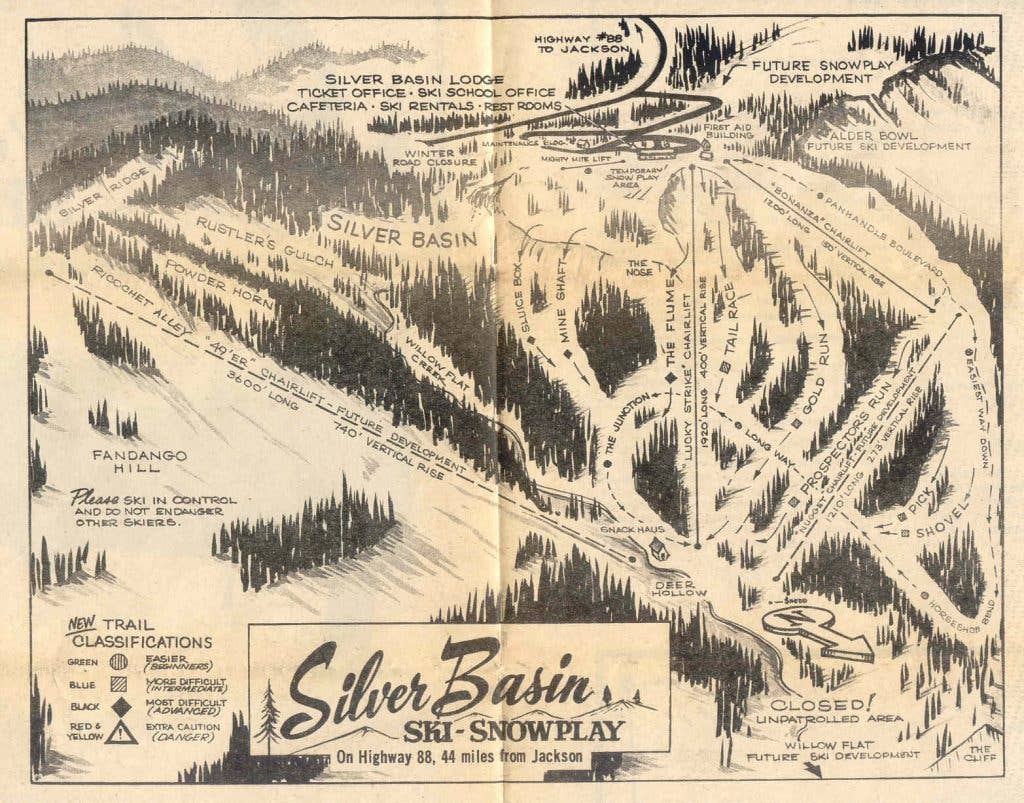
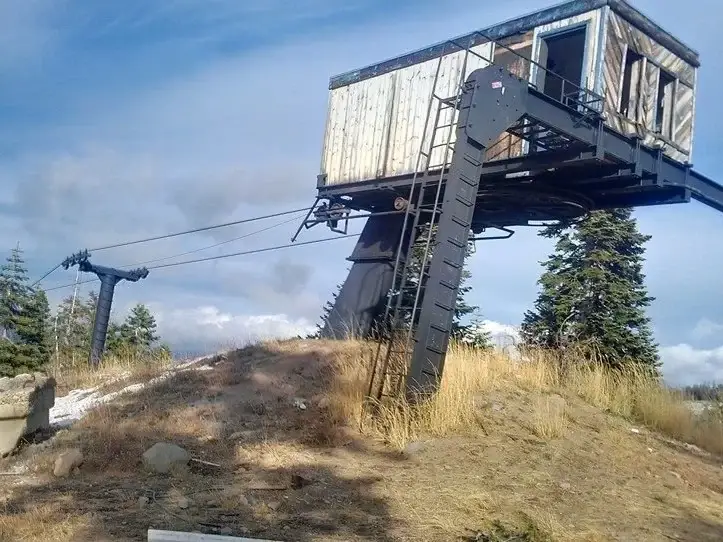
Located near Kirkwood, Iron Mountain (originally Silver Basin) was known for its "inverted" layout—you parked at the top and skied down.
- The Demise: The resort was plagued by financial trouble and "snow monsters" (massive storms) that made maintenance impossible. It changed names several times before shuttering for good in 1995.
- Current Life: The property recently hit the market for $5.8 million, complete with rusted lift towers and decaying terminals. Today, it serves as a USFS Sno-Park where local backcountry enthusiasts explore the "creepy-cool" ruins and earn their turns without the Tahoe crowds.
Geneva Basin, Colorado
High on Guanella Pass, Geneva Basin offered world-class bowl skiing until its sudden end.
- The Demise: In 1984, an empty chair fell from the cable, leading the Colorado Tramway Board to shut the mountain down for safety repairs the owners couldn't afford. Forest Service employees later burned down the lodge in 1993 to eliminate liability.
- Current Life: The summit ski patrol shack still stands, serving as a landmark for backcountry skiers who trek 10 miles up the closed Guanella Pass Road to access untouched runs. Legend says the spirit of "Eddie the Head"—a worker killed in a lift accident—still haunts the slopes.
Hidden Valley, Colorado: Rocky Mountain High
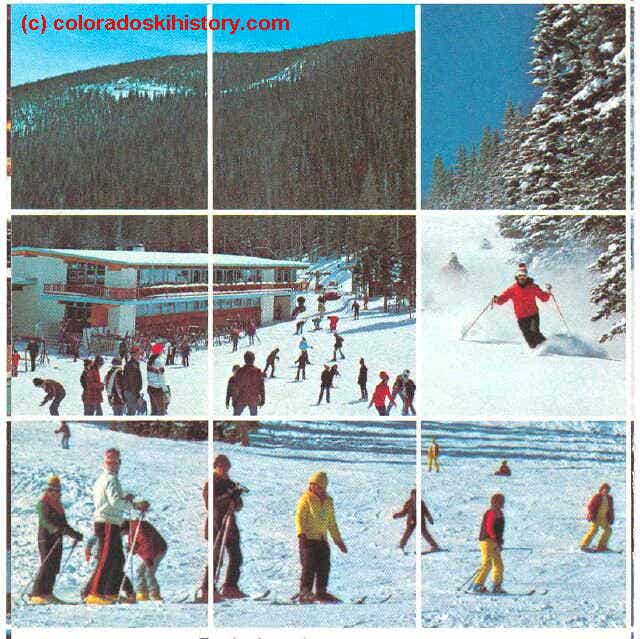
Hidden Valley was a unique local hill located entirely within Rocky Mountain National Park.
- The Demise: The National Park Service was often reluctant to host a commercial ski area, and the mountain eventually couldn't compete with the massive I-70 resorts. It removed its lifts and closed operations in 1991.
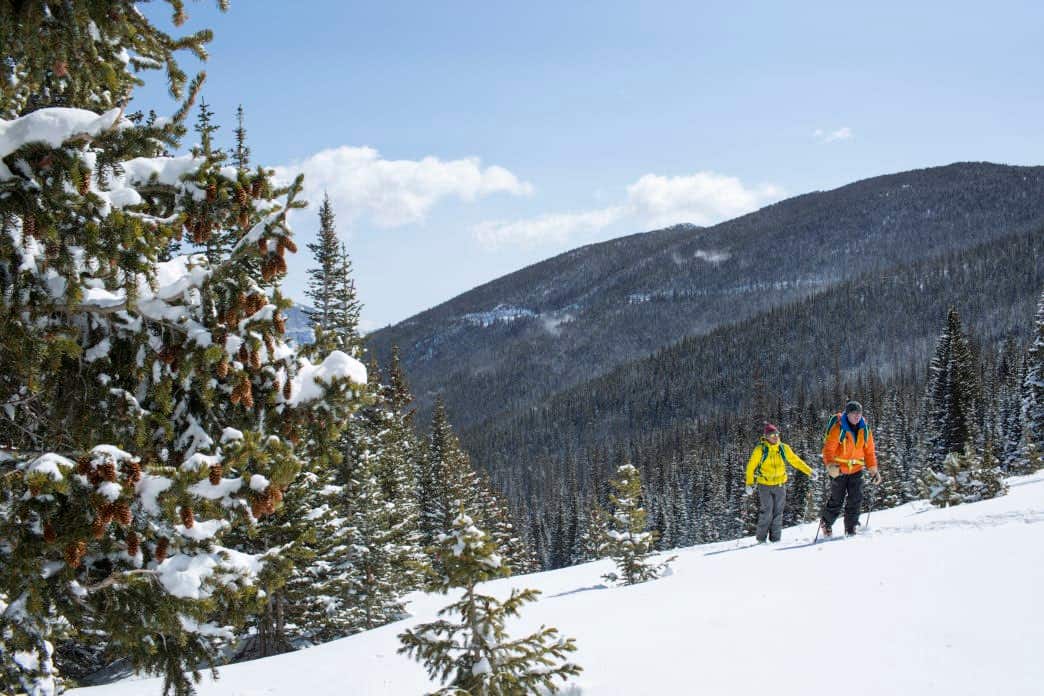
- Current Life: Now a popular spot for sledding and backcountry riding, the area offers a massive 2,000-foot vertical drop for those willing to skin up the old unplowed Trail Ridge Road.
Sign Up for the TGR Gravity Check Newsletter Now
Mt. Whittier, New Hampshire
Mt. Whittier was once a unique staple of New England, famous for its colorful gondolas that famously crossed directly over Route 16.
- The Demise: The area faced an uphill battle due to its notoriously steep terrain, which scared away novice skiers, and a total lack of snowmaking equipment. Poor winters in the early 1980s and growing debt eventually forced the resort to shut down for good in 1985.
- Current Life: The towers still stand as a reminder of times long past, including one tower located in a McDonald's parking lot. While the property has been on and off the market, it remains a site for hikers and local backcountry enthusiasts who explore the overgrown trails and the ruins of the summit station.
Hogback Mountain, Vermont
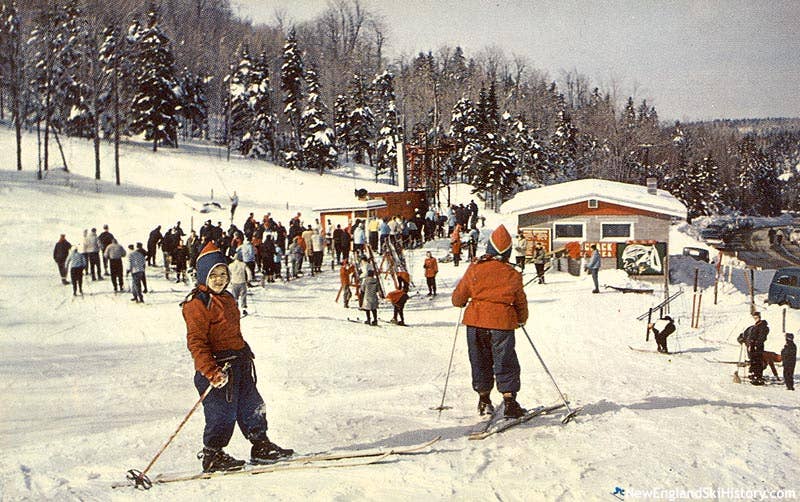
From 1946 to 1986, Hogback was the epitome of a classic family ski destination, known for its "100-mile view".
- The Demise: Unlike many resorts that failed due to snow, Hogback was a victim of economics. Increasing liability insurance rates in 1986 reached a point where they cost more than the small, family-run area took in annually.
- Current Life: Hogback is a success story for the "lost" ski area community. The land was purchased and preserved as the Hogback Mountain Conservation Area in 2010. Today, volunteers keep the trails semi-clear for backcountry skiers, snowshoers, and hikers to enjoy the "natural snow" terrain just as they did decades ago.
Sugar Loaf, Michigan
Once one of the most popular ski destinations in the Midwest, "The Loaf" offered some of the steepest terrain in Michigan and stunning views of Lake Michigan.
- The Demise: A combination of bad winters, increased competition, and a revolving door of poor management led to its closure in 2000. For two decades, the resort sat in a state of "instant abandonment," with hotel rooms still made up and paperwork left on desks, before the buildings were finally demolished in 2021.
- Current Life: In a major 2025 announcement, a local conservancy group moved to acquire the land to turn it into a public recreation area. While there are no plans for new lifts, the vision allows for "self-powered" winter access, meaning local skiers can finally hike the summit to ride those infamous slopes once again.
The Rise and Fall of the Local Hill
In the mid-20th century, skiing was a community affair. Local hills were the heartbeats of their towns, providing affordable recreation and a place for kids to learn the ropes. However, the 1980s were unkind to the "little guy." A string of low-snow winters combined with the massive infrastructure investments required to stay competitive forced many to pull the plug.
Preserving the Soul of the Sport
While many of these lodges are now "frozen in time," their legacy lives on through the backcountry community. Organizations like the Friends of Kananaskis or the Hogback Preservation Commission work to keep these areas accessible, proving that you don't need a high-speed quad to have a world-class day on the mountain. These forgotten adventures remind us that skiing isn't about the condos, it's about the connection between you and the mountain.