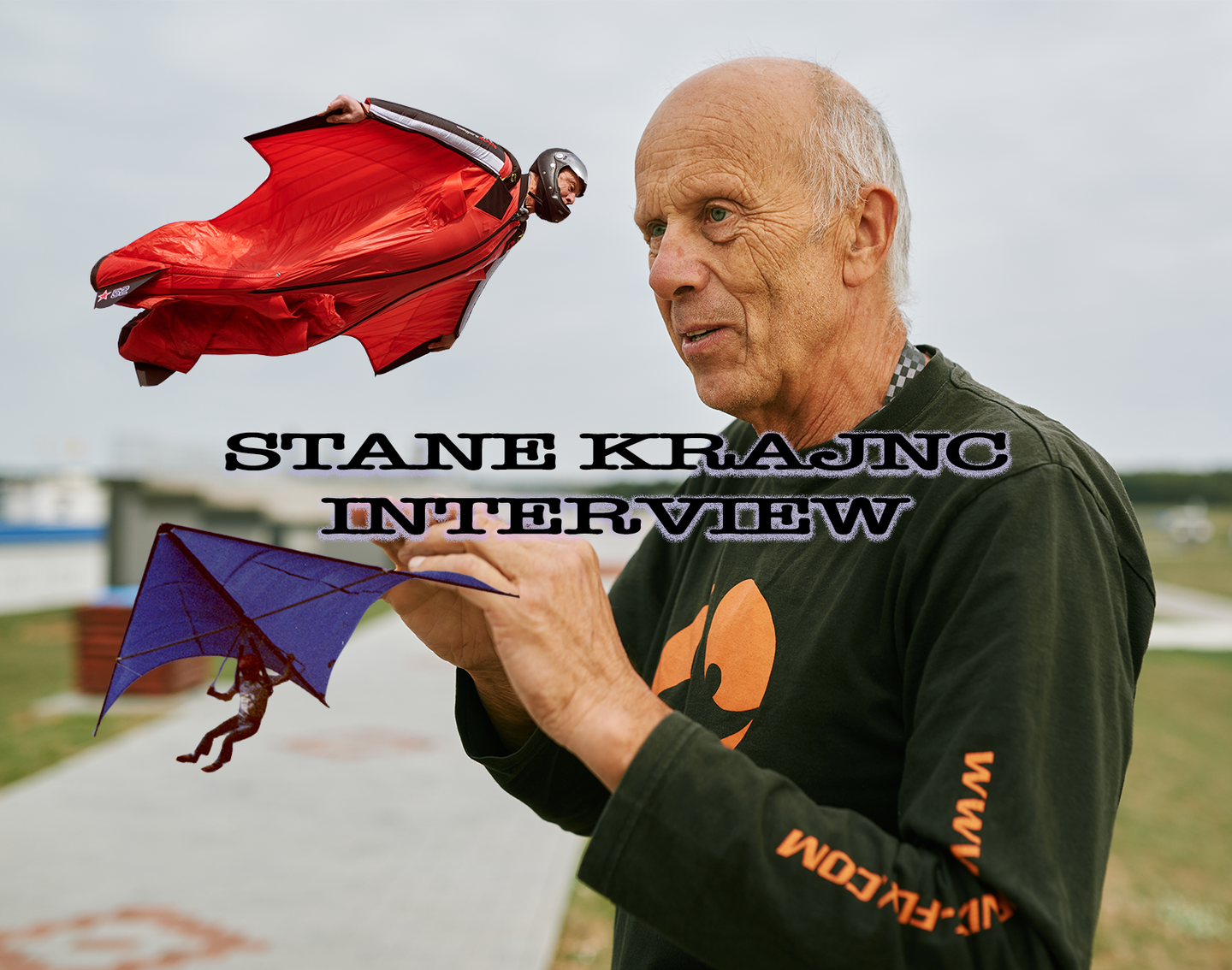
Stane Krajnc: A Lifetime in the Air
Shop Now

Salad Days Polartec® Fleece Cap
$45.00

Salad Days Polartec® Fleece Beanie
$35.00
Popular Stories

In our recent interview with wingsuit pilot Filip Kubica, he told us, “For me, the true icons of this sport are the people who have been actively flying wingsuit BASE for 15–20 years or more.” That line interested me. It shifted my attention away from what’s new or trending and toward the people who helped shape the sport long before it had an audience.
Not long after, Instagram served me a video of Stane Krajnc trackwingsuit BASE jumping. It immediately caught my eye. Not because of the jump itself, but because the person stepping off the edge was 73 years old; an age you almost never see represented in modern BASE content. I knew right away I had to reach out.
Stane is a rare example of true longevity in high-consequence sports. Born in 1952, he has spent decades at the forefront of foot-launched flight, paragliding, skydiving, BASE jumping, and wingsuit flying; not just participating, but actively helping to build and evolve the equipment and knowledge that made these disciplines possible in the first place.
I wanted to hear what it was like to be part of the early days of air sports, when much of it was undefined, undocumented, and learned through intuition and trial. More importantly, I wanted to understand how a lifetime spent in the air has shaped his relationship with risk, fear, and flight itself.
Stane’s path into flight was anything but conventional, and his answers carry the weight of someone who’s been there since the beginning.
Enjoy :)
Stane Krajnc
Hi Stane! Thanks for taking the time to talk with us. Tell us a bit about yourself, and your background.
I was born in 1952 in Skofja Loka, an old medieval town in Slovenia. After finishing high school, I studied physics and mathematics. I did not complete my studies, but I gained enough knowledge to understand aerodynamics and flight mechanics. I designed, built, and flew several hang gliders and paragliders in my spare time. When me and my wife Magdalena founded Atair in 1992, we started to manufacture rescue parachutes for a German paragliding company. It was a great experience for us, we gained some knowledge, experience and money for living and growing the company. My wish was always to become independent and to our own products.
At age of 42 I got my skydiving licence and decided to design and build my own skydiving parachutes. My 20th skydive was with a 170sqft semi-elliptical prototype which was later developed step by step into Impulse, Alpha and Cobalt family of high performance parachutes.
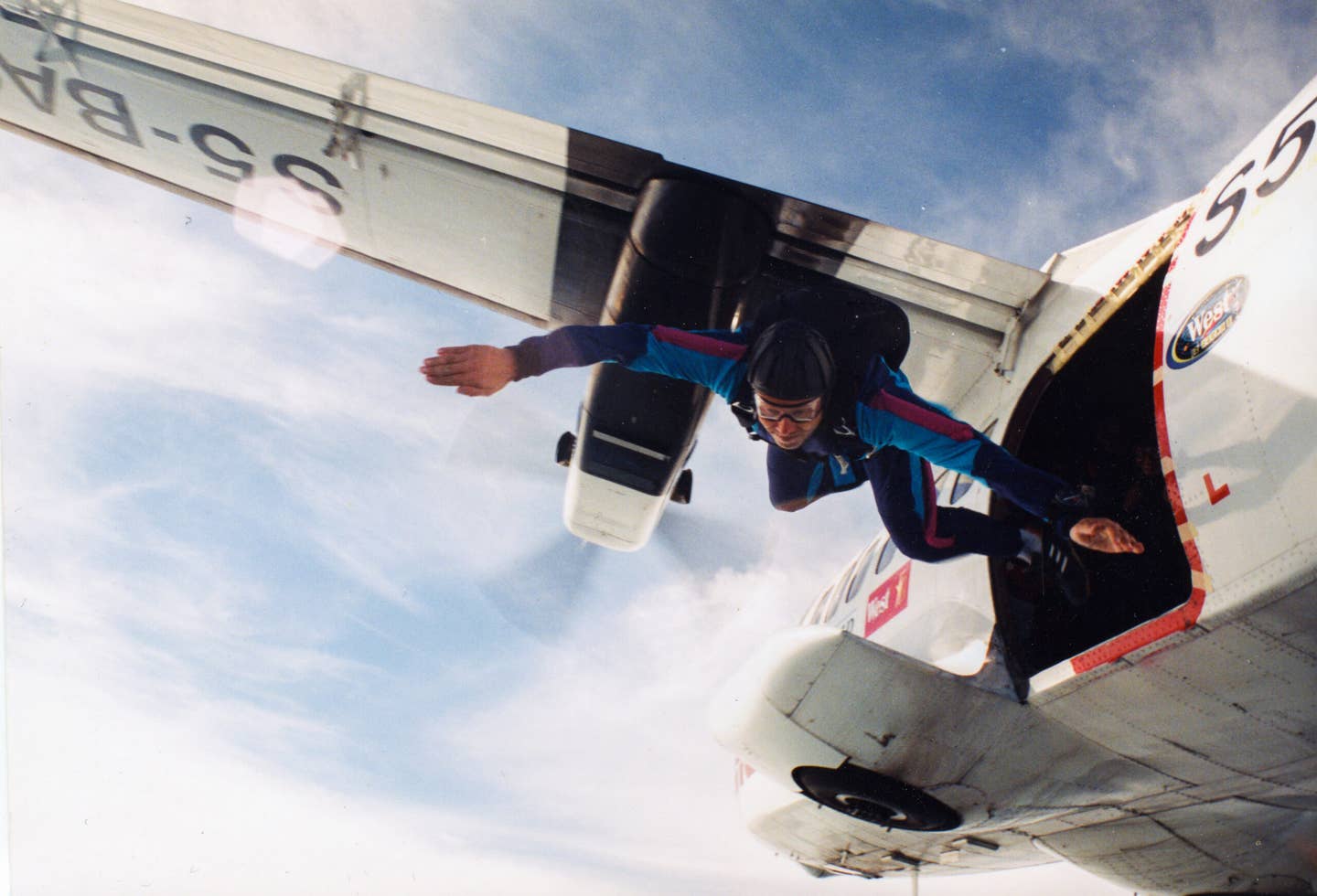
At the age of 46 I got infected by BASE jumping by my friend Tracy Walker. After my first BASE jumps I designed my first BASE canopy called Troll. Troll was followed by Trango and OSP. After my retirement, my son Andrej took over the company. He is getting known for his Peak, Vision and Winx designs.
Beside all kinds of free flying my passion now is building, modifying and driving race cars on the track for fun, not competition. Robert Pecnik once said that I was trying to keep things airborne for most of my life, now I am trying the opposite, to keep them on the ground with all the wings, splitters, diffusers and spoilers. This is the same passion of flying but in a different environment.
Let’s start at the beginning. You’ve been jumping since 1973; before most of today’s disciplines even existed. What originally drew you to foot-launched flight, and what did “flying” mean to you back then?
Ever since I can remember I have always wanted to fly. Airplanes and birds held an unbelievable fascination for me: a fascination that has never stopped growing. At around the age of 5 I discovered model planes and they became my whole world. I didn’t just build them, I dreamt about them, designed them and flew them. From flying model planes of all descriptions I got the basic knowledge of applied aerodynamics and flight mechanics. As time went on, I read every book I could get my hands on related to airplanes. I wanted to learn as much as I possibly could about the mystery of flight.
Then one day at the age of 21 I was inspired by an article in a German magazine about hang gliding in the USA. I built my first flexible hang glider mostly from looking at photographs. It was constructed from aluminum (alloy) tubing which was braced with 6mm nylon rope. The sail was made of a nylon fabric which was used for umbrellas. My mother didn’t believe I’d finish the glider, but she stitched up the fabric with a sewing machine. The first attempt to take off on skis was unsuccessful, the glider was pitch unstable. After some minor modifications I went to the hill behind the castle in Skofja Loka, assembled the glider, picked it up, did a few running steps in a moderate breeze and I was airborne. Everything went like in my dreams, as if I had been doing this for many years already.
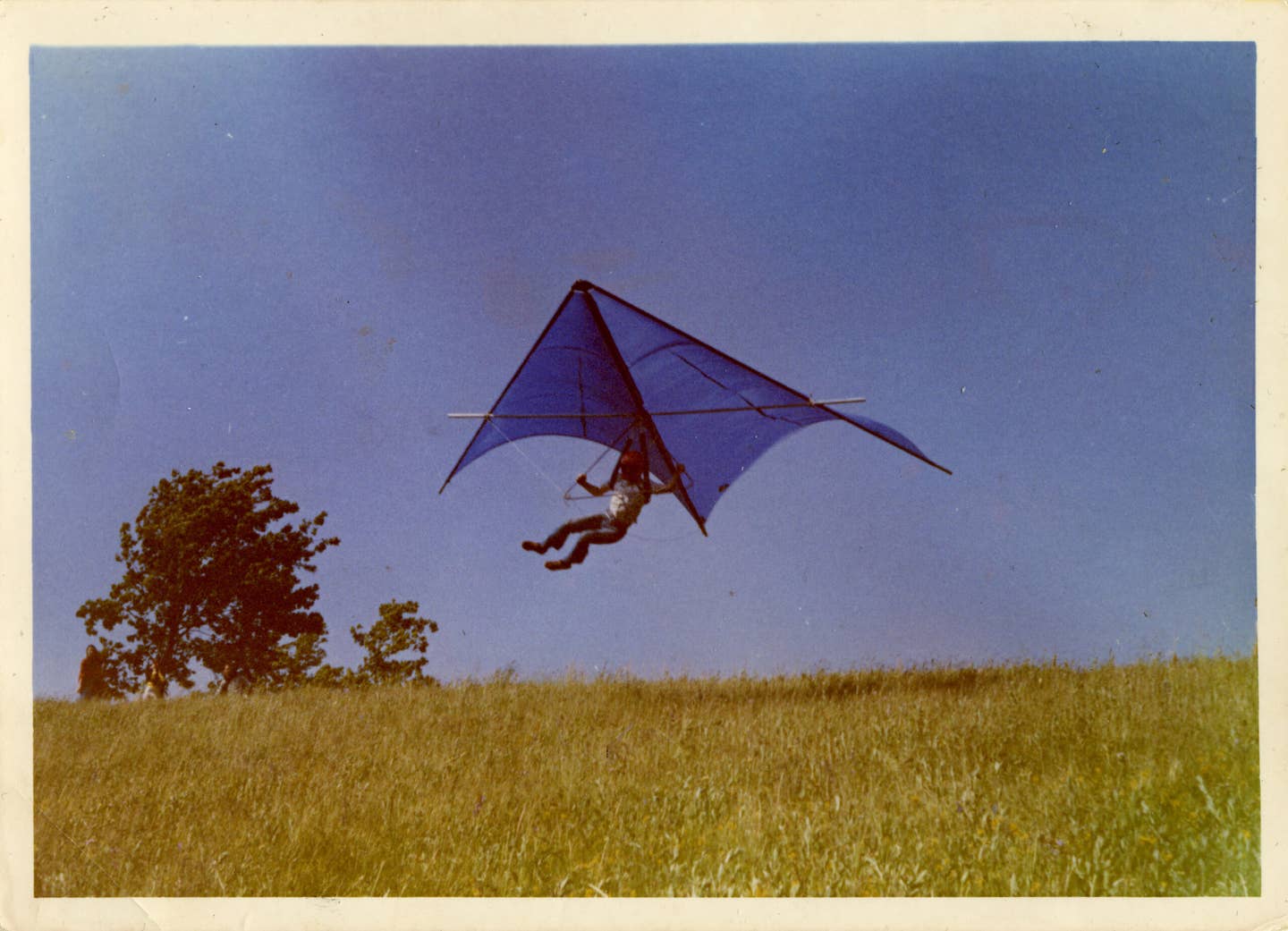
Since that time, I have been deeply focused on foot-launched flight: hang gliding, paragliding, BASE jumping and wingsuit BASE flying.
When you began, there was very little precedent or shared knowledge. How did learning happen in those early years? What role did intuition, observation, and failure play?
At that time, there were no manuals or films that could teach me how to fly a hang glider. The only knowledge I had about flying came from flying model airplanes. It’s true, but I visualized flying in my mind. I felt like Otto Lilienthal, who had actually flown 80 years before me. It was a wonderful, indescribably beautiful experience. Paragliding was similar, but I already had 12 years of experience with hang gliding.
Flying with a wingsuit was something really special. Back in the second half of the 1990s, we watched videos of Patrick de Gayardon with great enthusiasm. Robert Pecnik (Birdman, Phoenix Fly) was experienced with sewing parachute suits, created his own model based on pictures of Patrick’s and tested it in the air in October 1998. I was with him on the plane when he jumped for the first time from a height of 4000m. He flew parallel to the plane for a few seconds, then slowly began to fall behind and descend lower. I was thrilled by this flight.
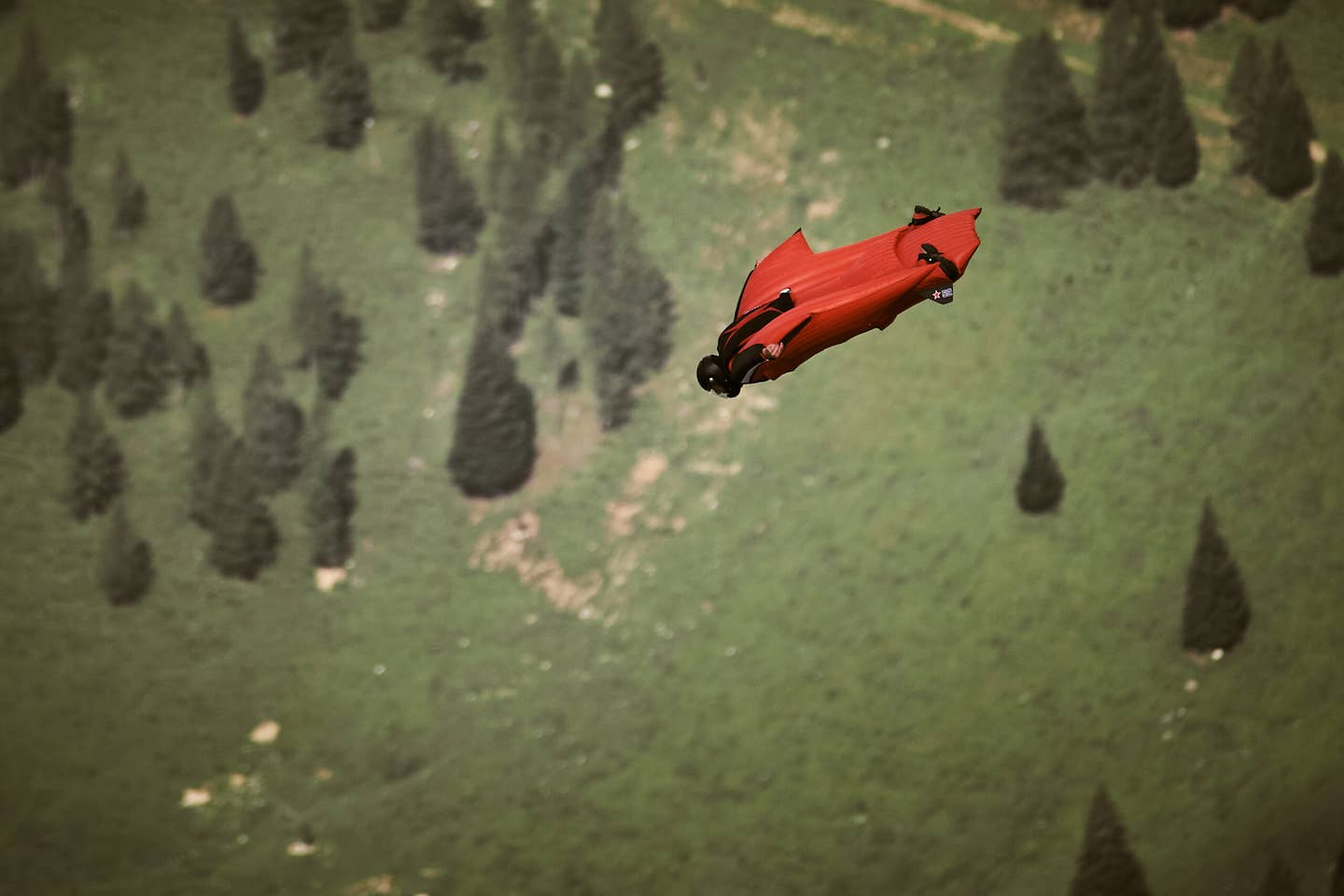
Fourteen days later, he made wingsuits for me and later for the well-known Dutch skydiving photographer Max Dereta. We learned to fly on our own, progressed with more jumps and by sharing experiences from previous flights. Flying with a wingsuit felt completely natural to me, just like swimming in water. I felt like a bird in the air and the sensations were fantastic. The real experience of flying with wingsuits only came to the fore during BASE jumps, when I flew much lower above the ground than when jumping from an airplane.
Modern air-sports are deeply technical; numbers, simulations, data. How much of your flying today is calculation versus feel? Has that balance shifted over time?
First, I need to familiarize myself with the aircraft I am flying. I need to know, for example, its takeoff and landing speeds, its optimal speed, how to steer it, under what conditions I can fly it safely, etc. Flight instruments such as a speedometer, altimeter, variometer, or GPS tracker can help me with this.
With the experience I gain over time, my feelings become increasingly important to me. Too much technology can spoil the real experience of flying. When I was young and in love, I didn’t measure my heart rate, analyze the hormones in my blood, or think about what was happening to my body from a biological or medical point of view. It was just wonderful.
During BASE jumping, we threw a stone over the wall and measured the time it took to hit the ledge below us. This allowed us to assess whether it was safe to jump there or not.
You’ve witnessed the sport evolve from exploration to performance. What do you feel has been gained, and what has been lost, as flight disciplines became more formalized and visible?
The best times are those pioneering days when I was discovering the unknown and the unlived.
The people around me were full of enthusiasm. Then more and more people join the sport, including those with different intentions, and it all starts to lose its charm. With mass participation comes the regulation of sport with rules and restrictions.
You’ve stayed focused on foot-launched flight specifically. What is it about starting on foot, rather than being dropped into the air, that remains essential to you?
I have named starting flying on foot FLAGS (Foot Launched Gliding and Soaring). I can carry the flying device in my backpack, carry it on my shoulders, or transport it by any means of transport, as it is considerably lighter than me. All I need to fly is knowledge and skill, suitable weather conditions, and a take-off site that allows me to take off. The driving forces are gravity and, indirectly, the sun.
Where I live, this is very close to me: for paragliding or hang gliding, it’s a half-hour to an hour’s drive by car, and for BASE jumping, an additional 2 to 4 hours of walking. For other air sports, you need an airport, an airplane, and all the necessary logistics; everything is more regulated and less free.
Fear is something younger athletes often speak about openly. How has your relationship with fear changed over decades?
When free flying, especially when BASE jumping, I am always more or less afraid, as I am well aware that it is a dangerous activity and I cannot afford to make any major mistakes. In addition to knowledge, experience, and equipment, it is fear that is the safety net that best ensures the safety of my activities. Fear keeps me from doing stupid things and exaggerating, and it makes me take my actions more seriously.
I know that too much fear can paralyze me, but the absence of fear can be extremely dangerous.
I am always a little afraid before takeoff and landing with a hang glider. Running down a hill and then landing safely on your feet with a flying machine weighing between 30kg and 40kg is not easy, especially in calm conditions. When paragliding, flying in strong thermal updrafts and turbulence can be uncomfortable and even dangerous. Exiting with a wingsuit from a cliff is a demanding maneuver, and the level of fear depends on the difficulty of the jump. The moments before opening the parachute can also be critical. Of course, I am aware that this is a dangerous activity (sport), but it can be done quite safely if I follow the key rules.
I believe that my safe flying is mainly due to the knowledge and experience I have gained in all my activities, my knowledge of weather conditions, and, of course, my knowledge of myself. The decisive factor is that I can say to myself, “I’m not going to jump today because I don’t feel well,” or “I’m not going to jump here because it seems too dangerous.” For safety reasons, I need to feel fear before jumping. That’s why it’s important not to jump too much; one or two jumps a day are enough. If you jump constantly, as is unfortunately often the case today, you lose your fear, which is dangerous.
In addition to the above, you need to have some luck in life. My wife Magda says I have a good guardian angel who watches over me closely. Life with me is very eventful for him, so he definitely doesn’t want to be assigned to protect someone boring.
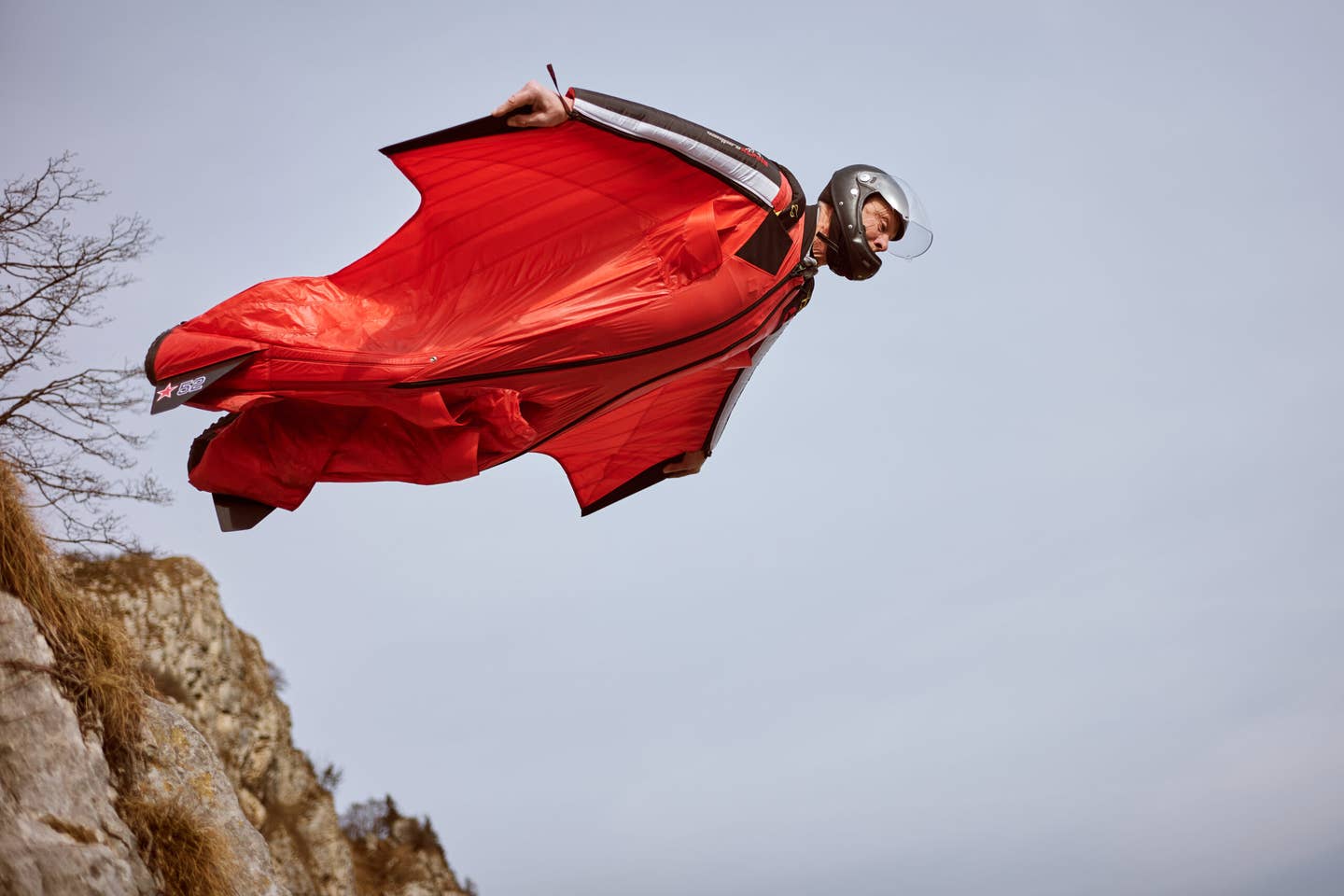
Many athletes burn bright and disappear. You’ve endured. What do you think actually enables longevity in high-consequence sports?
I have never focused on just one sport; I enjoy them all, depending on my mood and the company. I take everything very seriously and am very well prepared for them, both mentally and physically, and my flying equipment must always be in excellent technical condition. If you focus too much on just one activity, you relax too much and become unaware of the dangers of what you are doing, and it becomes dangerous.
I only fly or jump when I really want to.
Sign Up for the TGR Gravity Check Newsletter Now
At this point in your life, what does a “good flight” look like? Has your definition of success changed?
A good flight: I look forward to it and long for it for days beforehand. Before takeoff or jump, I feel a little nervous and scared, but once in the air, I relax and enjoy myself. With BASE jumps, I relax immediately after pushing off into the void, but with a hang glider or paraglider, I need some time to feel the surrounding air and thermal updrafts.
After landing, a big smile says it all.
There’s a growing culture of documentation and visibility in modern flight. How do you feel about cameras, exposure, and the pressure to show progression publicly?
In the early days, I used to record my flights: the location and time of the flight, the length of the flight, etc. But then I stopped doing that because it didn’t seem important to me. All that remains are experiences and memories. What I am doing at this moment means more to me. I have documented my jumps from planes. I wrote down my observations when testing new parachutes. This was very important to me for the development of new models.
I also recorded my BASE jumps for the same purpose. When I exceeded 1,000, I stopped doing that. I don’t use a camera; I prefer to concentrate on the jump or flight, but I have quite a few photos and videos taken by my friends.
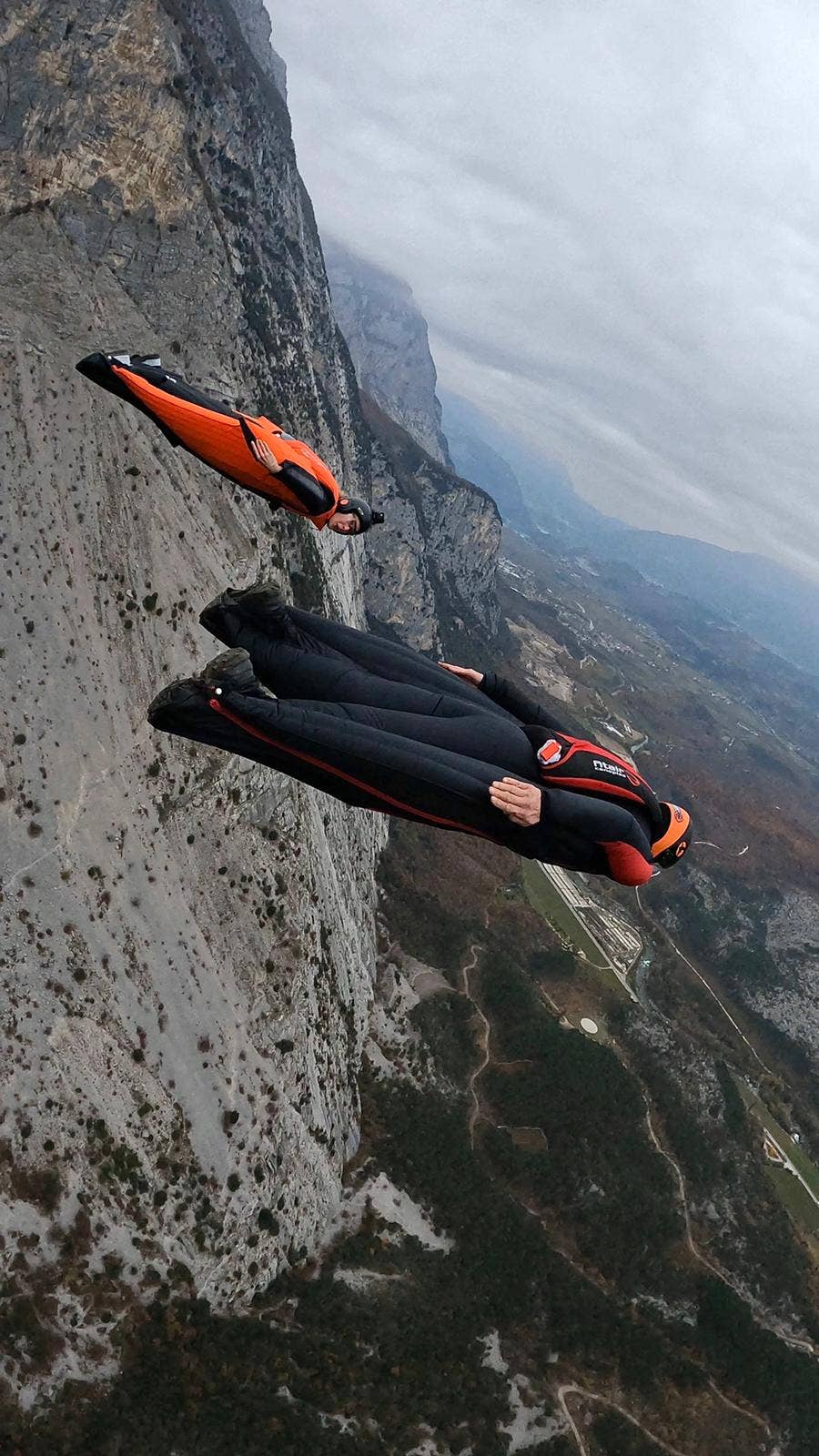
You’ve lived through periods where very little was written down. How important is it to pass knowledge on now, and what do you think can’t be taught through instruction alone?
In the pioneering days, we had more knowledge and less experience. We had to design and build our own flying machines, and there were many trials and errors. In our creative work, we used knowledge from aerodynamics and aircraft construction.
Nowadays, flying machines are already very sophisticated, but I noticed that pilots have less technical knowledge but more experience. You can quickly learn these skills in courses on free flying, skydiving, BASE jumping, and wingsuit flying. Especially in skydiving and wingsuit flying, flying in a vertical or inclined wind tunnel is very helpful for rapid progress.
Do you feel that flight has shaped who you are outside the mountains? Has it changed how you move through everyday life?
Flying is definitely dangerous, and BASE jumping is especially so. More than half a century of flying with hang gliders, 40 years of paragliding, 400 jumps from planes, UL aircraft, helicopters, paragliders, and balloons, and more than 1,000 BASE jumps in 28 years have made me mentally very strong and resilient to the challenges and pressures of business and everyday life. What doesn’t kill me makes me stronger.
Unfortunately, I notice that for many young people, the appearance of their equipment and clothing and posts on social networks are more important than the actual experience of flying. They are becoming a kind of Barbie and Ken pilots. In the past, young people were more athletic, but today you meet teenagers who can’t even run anymore. I hang out with people who are 50, 60, or even 70 years old and are fitter than most young people.
If someone much younger asked you why they should pursue flight at all, what would you tell them; honestly?
I would tell him that, just like swimming, skiing, or riding a bike, you can learn to fly with paragliders, hang gliders, skydiving, or BASE jumping, and fly with a wingsuit.
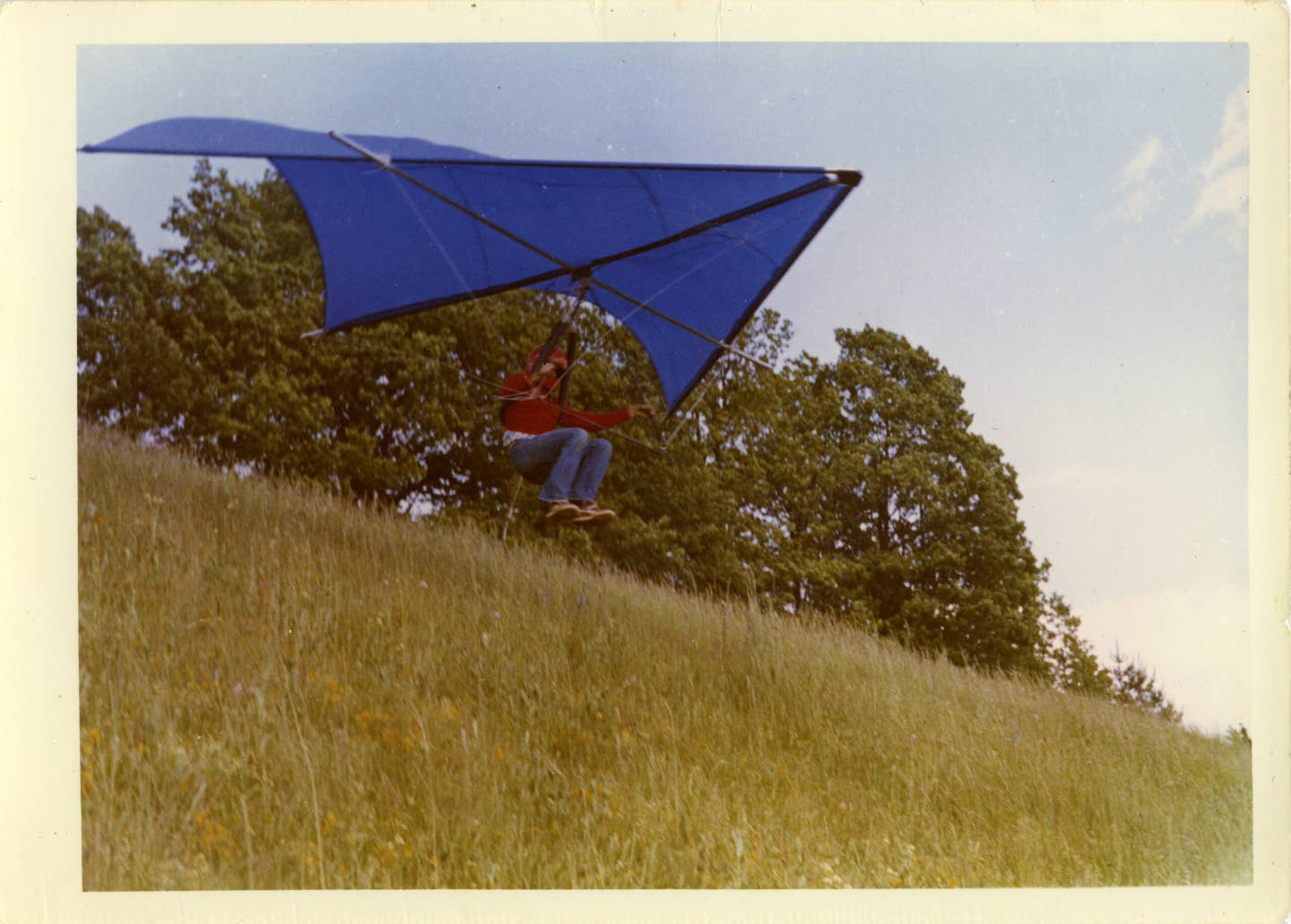
Of course, these are not bungee jumps, activities in an adrenaline park where everything is relatively safe. Flying is not a computer game where you cannot get hurt and your life is not at risk. Where, if you have problems, you can just press a button and start the game again.
Flying is a project that takes several years, depending on your prior knowledge and skills. First, you need motivation, then a sober decision. Mental maturity and physical abilities are also necessary. If I notice that someone is only momentarily enthusiastic after watching videos on social media, then I advise them against flying.
After more than fifty years in the air, what still keeps you curious?
I am happy to live in a time when I can fly freely and independently with simple and relatively affordable flying equipment. Flying is just like enjoying good food or having fun. If you have too much of it, it loses its value. In recent years, I have only flown with a wingsuit BASE 15 to 25 times a year, whereas before I flew at least three to four times as much. The experience of flying with a wingsuit is very intense, so I have no desire or need to do it very often. Flying would lose its charm, it would become too routine and therefore dangerous.
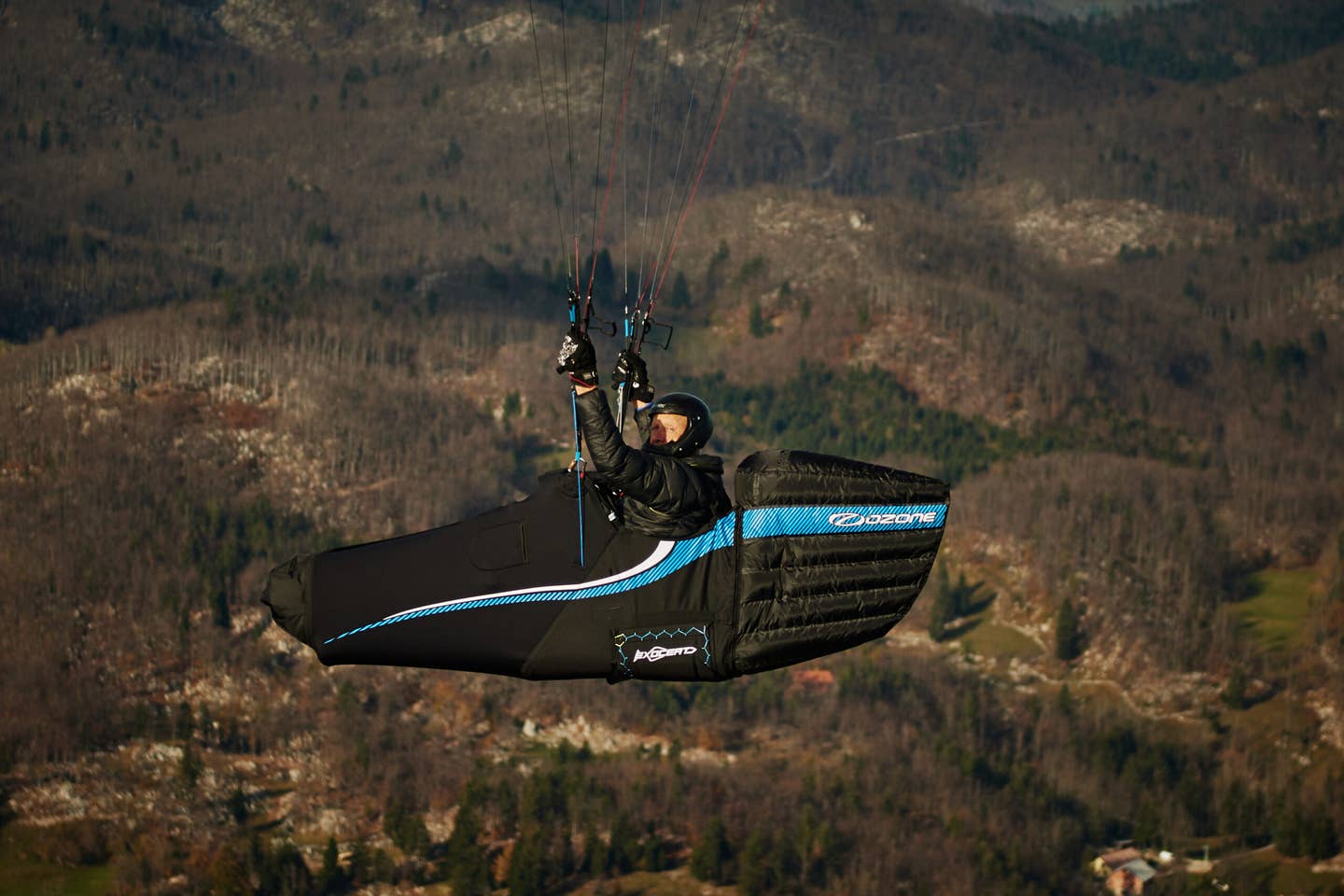
With a paraglider, I fly cross country in directions that I didn’t dare to fly in with a hang glider in the past, despite the excellent weather conditions, because there wasn’t enough space for emergency landings. The nature below and around me changes with the seasons; it is never the same and never boring. Even the air and its movement are different every time. My experience of flying is always very colorful, beautiful, and never repetitive, so I never get tired of it.
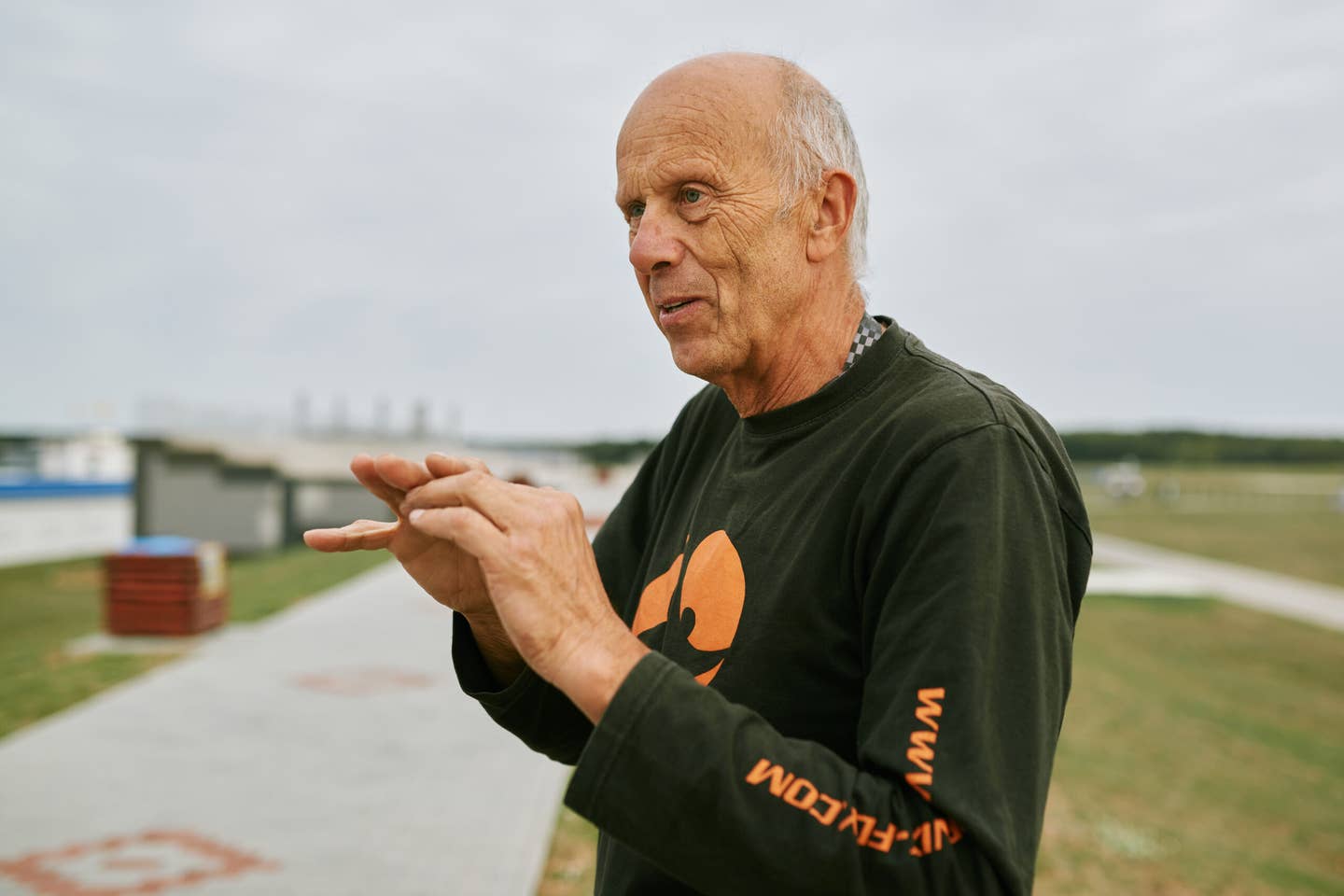
How would you describe your relationship with flight today?
Flying has been a part of most of my life. I do not seek extremes in it. I fly only for my own satisfaction, awareness of life, fun, freedom and also escaping from a society that is dumbed down by education and the media.
My friend Max Dereta wrote the following for BASE Magazine back in 1981:
“Maybe it sounds like a joke, but if we look deep down into our minds, we shall see that the ‘kick’ that we all have gotten from all the jumps that we have made through the years is quite similar to the one we find in ‘sex’:
IT IS SHORT, BUT INTENSE.
IT IS EXHAUSTING, BUT EXCITING.
AND, IN THE END, IT MAKES US FEEL GOOD AND SATISFIED.
That is why we all skydive and have sex.”
Stane’s story isn’t one of chasing progression or sharing moments for an audience. It’s about paying attention; to fear, to conditions, and to time itself. In a world where flight is increasingly measured and documented, his relationship with the air stays deeply personal and deliberately limited. After more than fifty years spent learning how, and when, to leave the ground, Stane Krajnc reminds us that longevity in high-consequence sports isn’t about doing more. It’s about knowing when enough is enough.