So Far, 2011-’12 Ski Season Marked By Avalanches In The West
Popular Stories
So far, the hallmark of the 2011-’12 ski season is the avalanche. Releasing large and small, snow slides have been ripping all over the intermountain west due to one of the most sensitive snowpacks experts have ever seen in the region. While some of the human-triggered slides have had tragic results — there have been 11 U.S. avalanche fatalities since November — some have resulted in no injuries. With more avalanche footage on the Internet than ever before, the debate on what, exactly, is proper behavior in the backcountry has reached an all-time high.
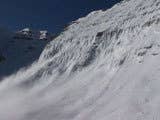
 A slide rips down Pucker Face on Jan. 2, 2012, just outside the Jackson Hole Mountain Resort boundary.
The Teton Range has been host to two of the most explosive avalanche incidents — one outside of Jackson Hole Mountain Resort on Pucker Face, and another on Taylor Mountain on Teton Pass. A heated debate followed each, both on and off the Internet.
For people to get so angry at each other for triggering activity in a known unstable environment, potentially endangering others who have also chosen to put themselves in the same environment, what they may really be upset about is the awesome power and unpredictability of snow. This reminder may be one of the most important lessons — and there are many — from these slides.
When the entire Pucker Face slid into notoriety on Jan. 2, many people wondered what anyone would be doing on Pucker at that time. It’s a level of risk not many would be willing to assume.
Travis McAlpine, the Jackson Hole snowboarder who cut the slope loose that day, maintains there was plenty of thought and deliberate action that morning.
“I had no real intention of skiing Pucker that day,” McAlpine said. “We went up to check it out, we stayed up there for a while. We dug a pit. I had been throwing rocks on it, like 200 pounds of rocks. [The skier] who dropped before us, ski cut it hard, and then skied it fast in about four turns. We didn’t want to leave it like that, just a set of sucker tracks for everyone to follow. So I decided to just do a cut, right up on the ridge, to see if I could get anything to go, and the whole thing went,” he said. “I had no idea it would go so huge. I’ve never moved that much snow in my life.”
“What you can’t see in the footage is that the first ski cut was still there intact, in the hangfire,” McAlpine said, pointing out that trigger points can vary on any given slope.
On Jan. 24 experienced backcountry skier and guide Greg Collins set off a massive, full-track avalanche on Mount Taylor that unleashed even more fury and judgment. The slide ran into Coal Creek, one of the biggest terrain traps on the pass. Despite being a terrain trap, the drainage is a popular exit for Taylor descents and for mellow runs off Mount Glory. No one was caught in the slide.
Lisa VanSciver, a Jackson Hole Mountain Resort ski patroller and guide at Jackson Hole Mountain Guides weighed in on the two incidents.
“You can say those guys on Pucker were dumbasses, or the guy on Taylor was a jerk, but when people focus on that, they are missing the true point — that nature is so big, and so humbling. Snow isn’t really a science. There are just too many constantly changing factors,” Van Sciver said.
Sign Up for the TGR Gravity Check Newsletter Now
While Collins has apologized and said that the size of the slide was far larger than he was expecting, that hasn’t dimmed the controversy.
It may not have happened in the way Collins would have liked, but the dialogue the slide opened has heightened awareness of personal risk, the risk of other skiers, and terrain traps in the backcountry.
Revelstoke-based ski mountaineer Greg Hill, who made news last year by skiing 2 million vertical feet in the backcountry, notes that a similar dilemma is being encountered in Canada, on Rogers Pass. There, much of the skiing is accessed through terrain traps that dwarf Coal Creek.
“There are a few lines that I do not ski on Roger’s Pass now,” Hill said. “We could get away with it before, but now there may be people skiing out below. [Higher traffic] does change the way things should be approached, but regardless of the trigger, we should always travel through the mountains as if avalanches are going to tumble down at any given moment. So perhaps people have been getting a little too comfortable skiing through that terrain and this is a bit of a wake up call.”
Yet skiers will continue to head out, despite the potentially severe consequences, and expose themselves to all the variables associated.
VanSciver summed it up.
“Shit happens,” Van Sciver said. “As a skier, I can’t point fingers. I don’t know anyone who has never made a bad decision.”