Playgrounds | Kluane: The Place
Popular Stories
When American explorers Robert Bates and Bradford Washburn attempted to climb Mount Lucania during a 1937 Kluane National Park expedition, they were far from the first to do so. Even 85 years ago, this area was already recognized as an international destination for its beauty, challenging topography, and unclimbed peaks. This was, of course, no surprise to those who lived there since before colonists set foot on North American shores.
For millennia, First Nations have lived on and explored the waters, plains, and peaks of North America. The idea of wilderness has changed under this microscope, reminding us that, while communities of climbers and skiers have long seen these peaks as a place to visit for personal or even commercial goals, they've long stood as something far greater for the people who live in their shadow.
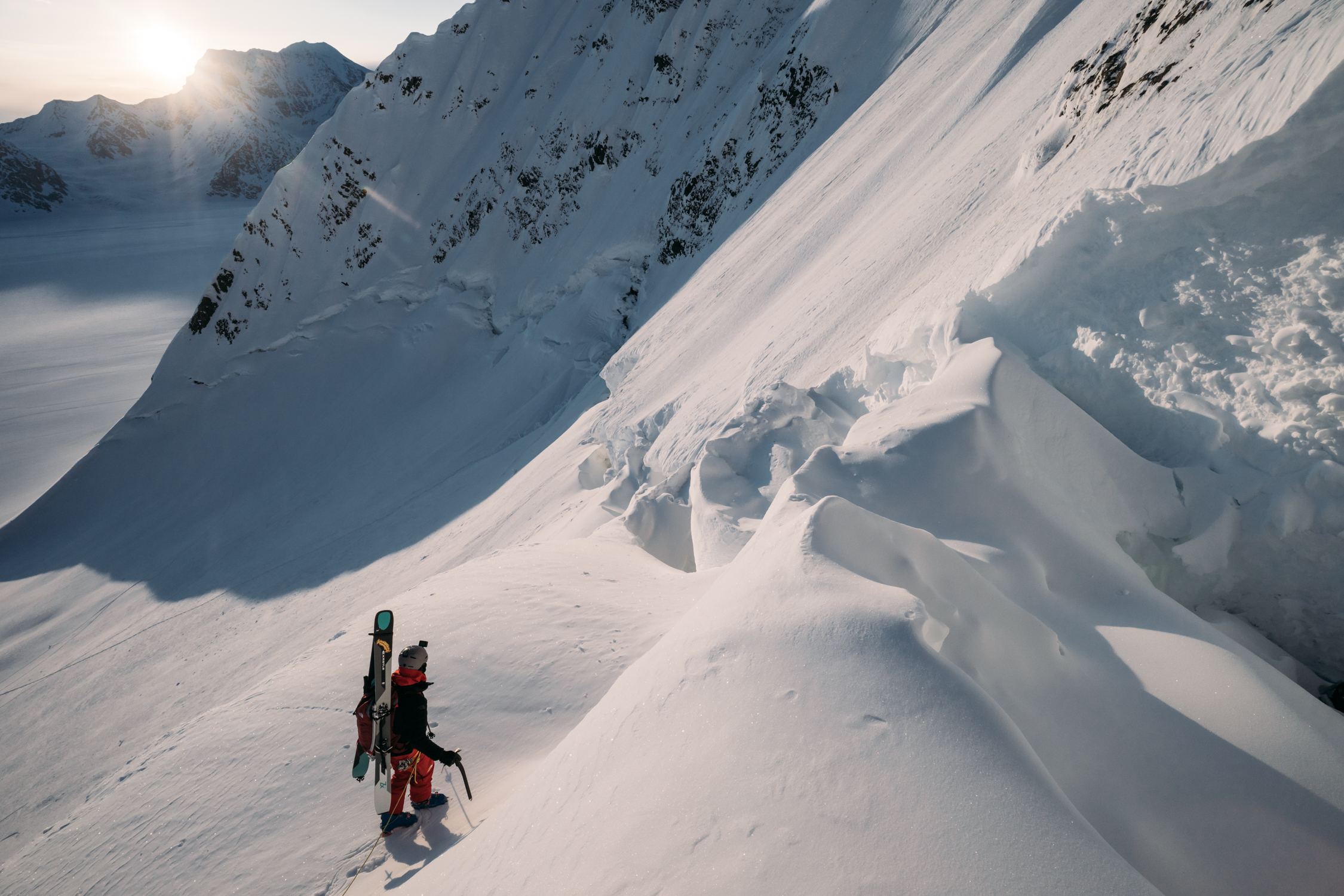
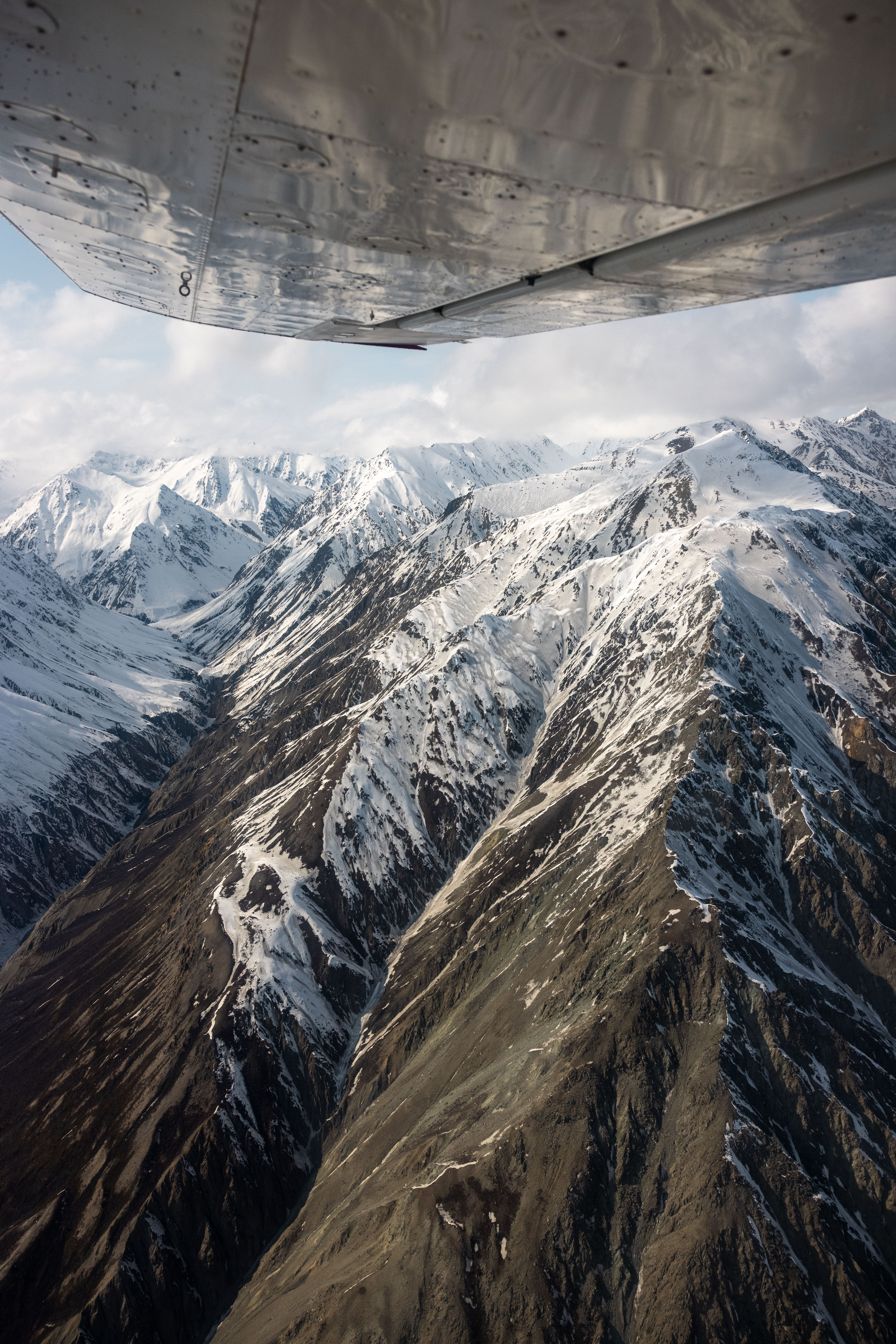
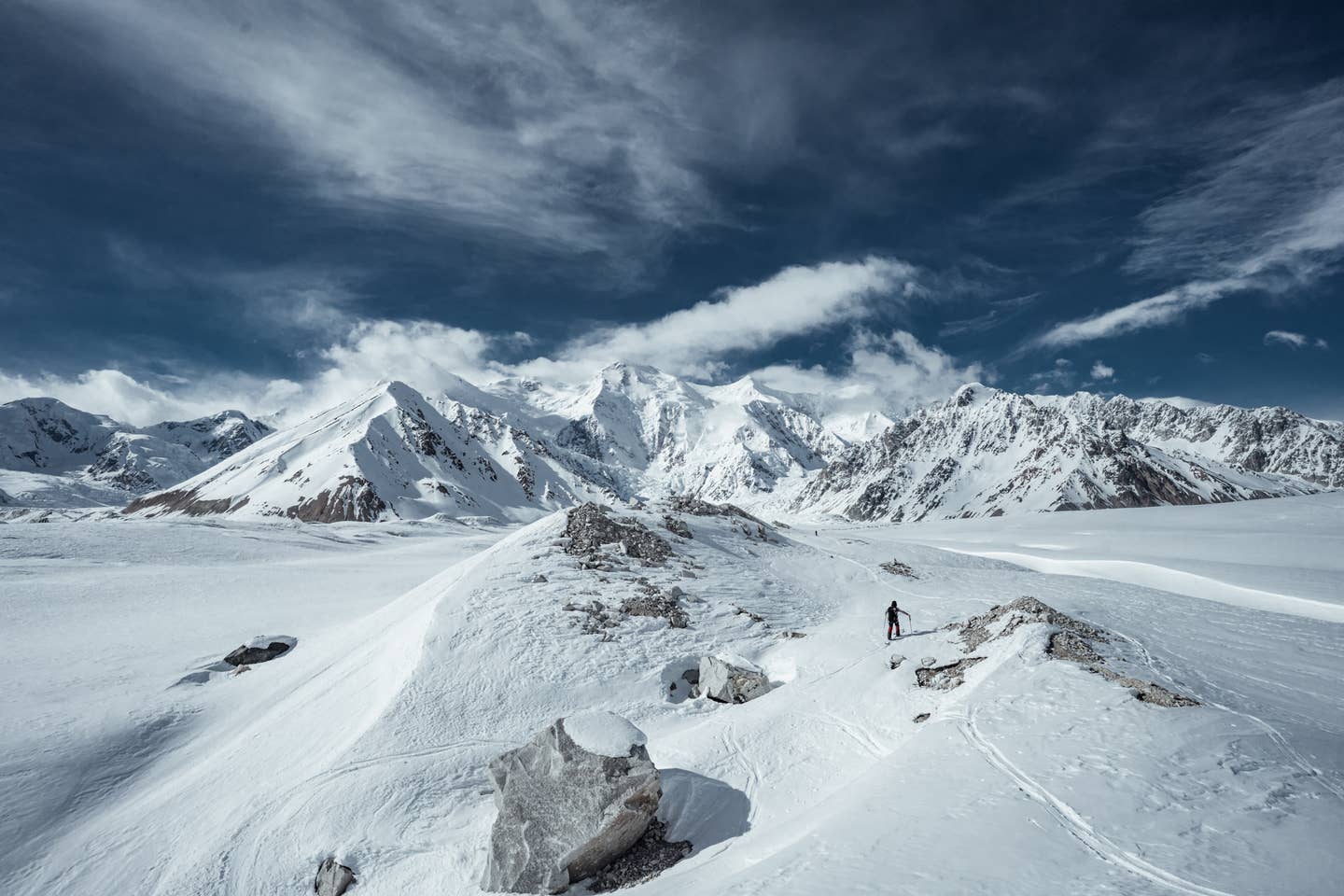
The traditional territory of the KFN starts in the south with the St. Elias Mountains and goes north until it bumps up against the Ruby Range. In the east, it almost reaches the Nisling River, and on the west by the Alaskan Border. Within that territory sits some of Canada's most mesmerizing mountain terrain, and many of its biggest mountains.
As a UNESCO World Heritage Site, the Kluane National Park and Reserve is the largest internationally protected area in the world. 17 of Canada's 20 highest peaks reach out of the landscape. Mount Logan, the highest peak in Canada, is the most famous. Mt. Lucania, the peak Bates and Washburn first scaled in 1937 is Canada's third highest. Indeed, this region is a wild playground for people who love the allure of the alpine. For some, it's a much more important place.
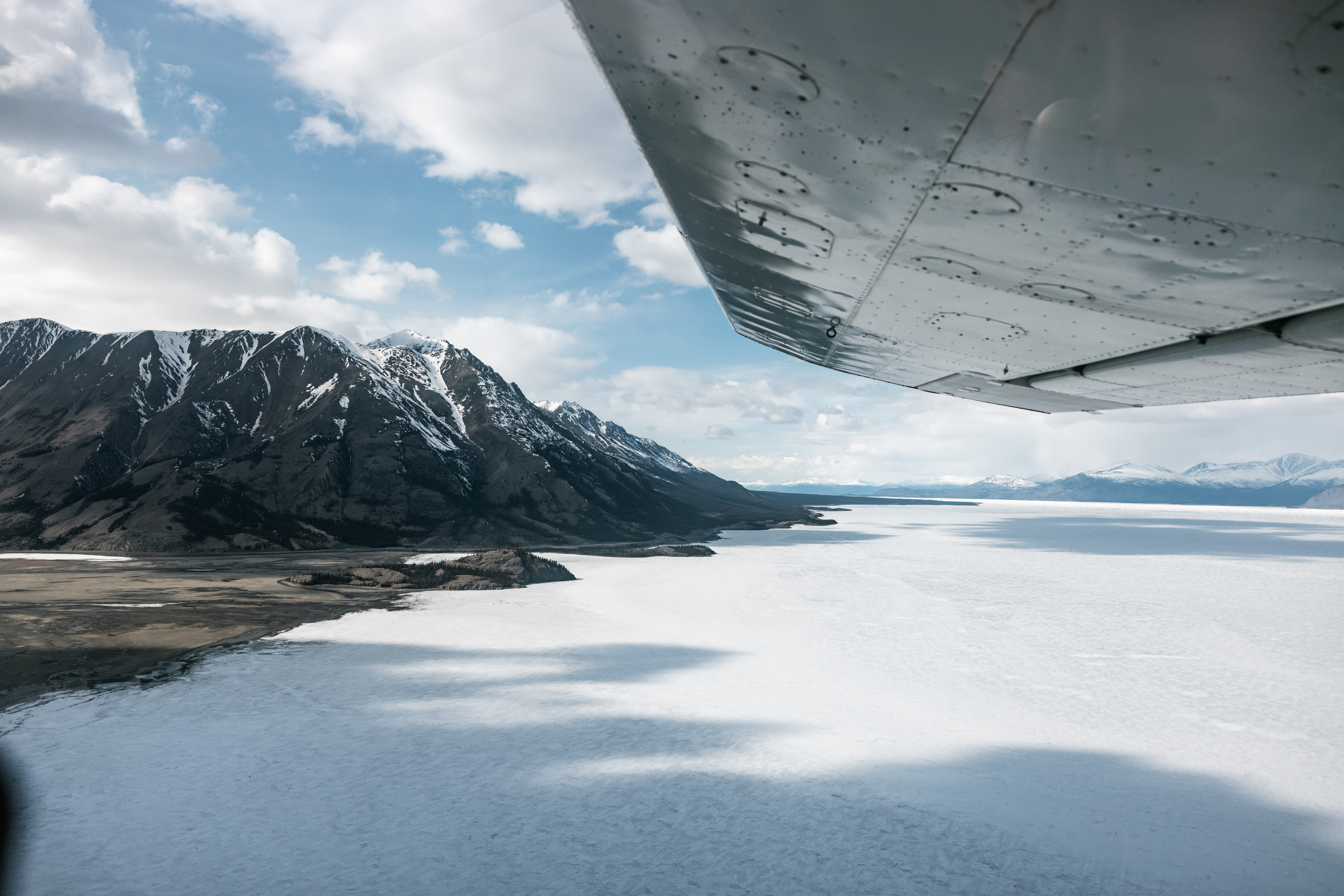
For a long time, the people of the KFN have called these mountains-and the icefields that spill out of them-home. Today, the town centre for their small community is Burwash Landing and lies along the shores of the largest lake in the territory, Kluane Lake. There's been a trading post here since the early 1900s, but there's been a KFN summer camp here for centuries. Above the town is the "wilderness" Bates and Woodburn came to explore. When flooded rivers forced the two adventurers to detour it was the people of Burwash Landing who welcomed them in after arriving 32 days and 156 miles later. They had both lost 20 pounds during the ordeal.
Sign Up for the TGR Gravity Check Newsletter Now
85 years later, it's here on the shores of this 81-kilometre-long lake where members of the KFN are actively reviving their Southern Tutchone language to preserve for their children. They call themselves Lù'àn Män Ku Dän, after the lake, or Lù'àn Mun Ku Dän, (′′Kluane Lake People′′) and have watched over this rugged territory since time immemorial. Indeed, the Kluane's close-to-pristine state can be directly attributed to the legacy and stewardship of the KFN and other First Nations in the area. After all, who else is going to take care of a home than those who live there?