Playgrounds: Kluane | Storytellers
Popular Stories
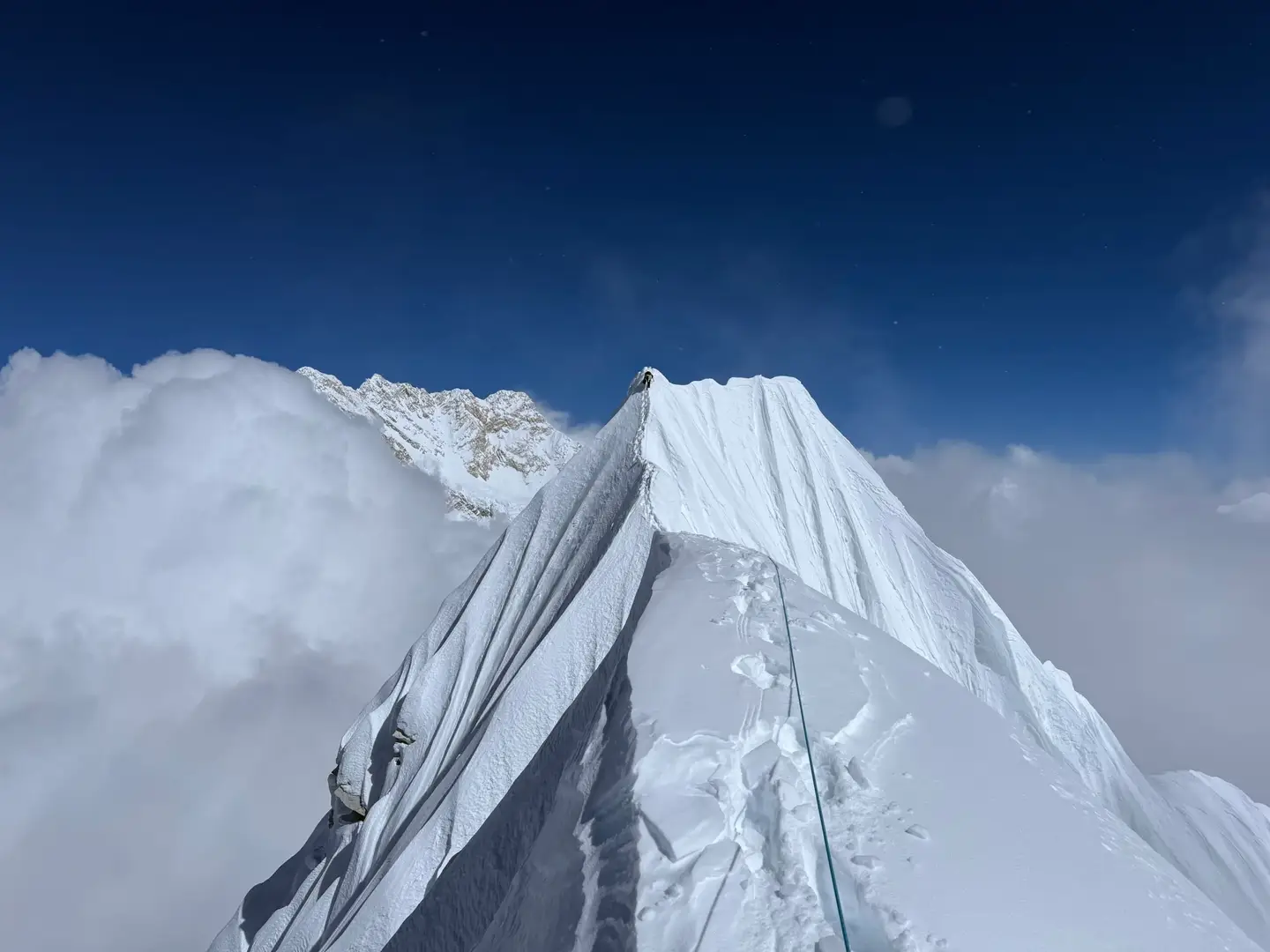

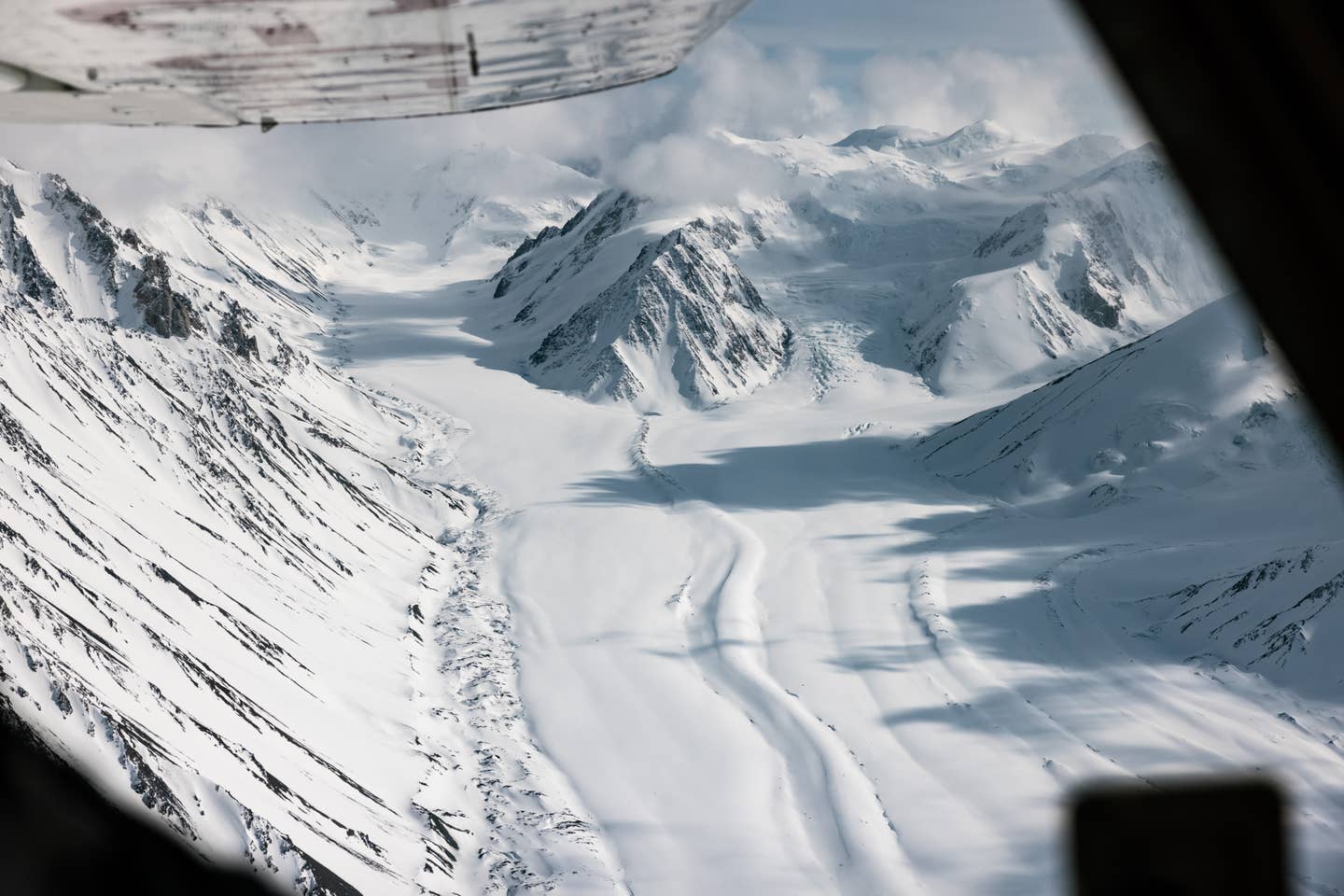
The Yukon is a wild place. Possibly one the world's wildest. With just shy of 50,000 people spread across 186,272 square miles, the land is larger than California and less populated than Monaco. In the southwest corner of the territory lies Kluane National Park and Reserve, a Canadian national park that is cooperatively managed by Parks Canada, Kluane First Nation, and Champagne and Aishihik First Nations. There are generations of stories to tell from this place, and Parks Canada team members, along with First Nation partners, work to help share the stories of this land. The TGR team visited the park in search of these stories and met a group of Parks Canada staff that are passionate, wildly educated, and educated in the ways of the wild. This group takes seriously their role in fulfilling Parks Canada's mandate to protect and present the natural and cultural history of Canada. Through cooperative management of the park, they see themselves as helping to protect these ancient places and a legacy of stories as deep as the icefields. In Kluane National Park and Reserve, the TGR team had to rely on a crew of intrepid archaeologists, historians and resource conservation specialists, all members of the Parks Canada crew.
"The Parks Canada staff are so passionate and committed to protecting these places beyond just the physical space," says TGR producer Drew Holt. "In TGR's interactions with them, over and over, they shared the soul and spirit of the Kluane National Park and Reserve beyond the environmental aspects. They feel like the bridge between the stories of the past and visitors today."
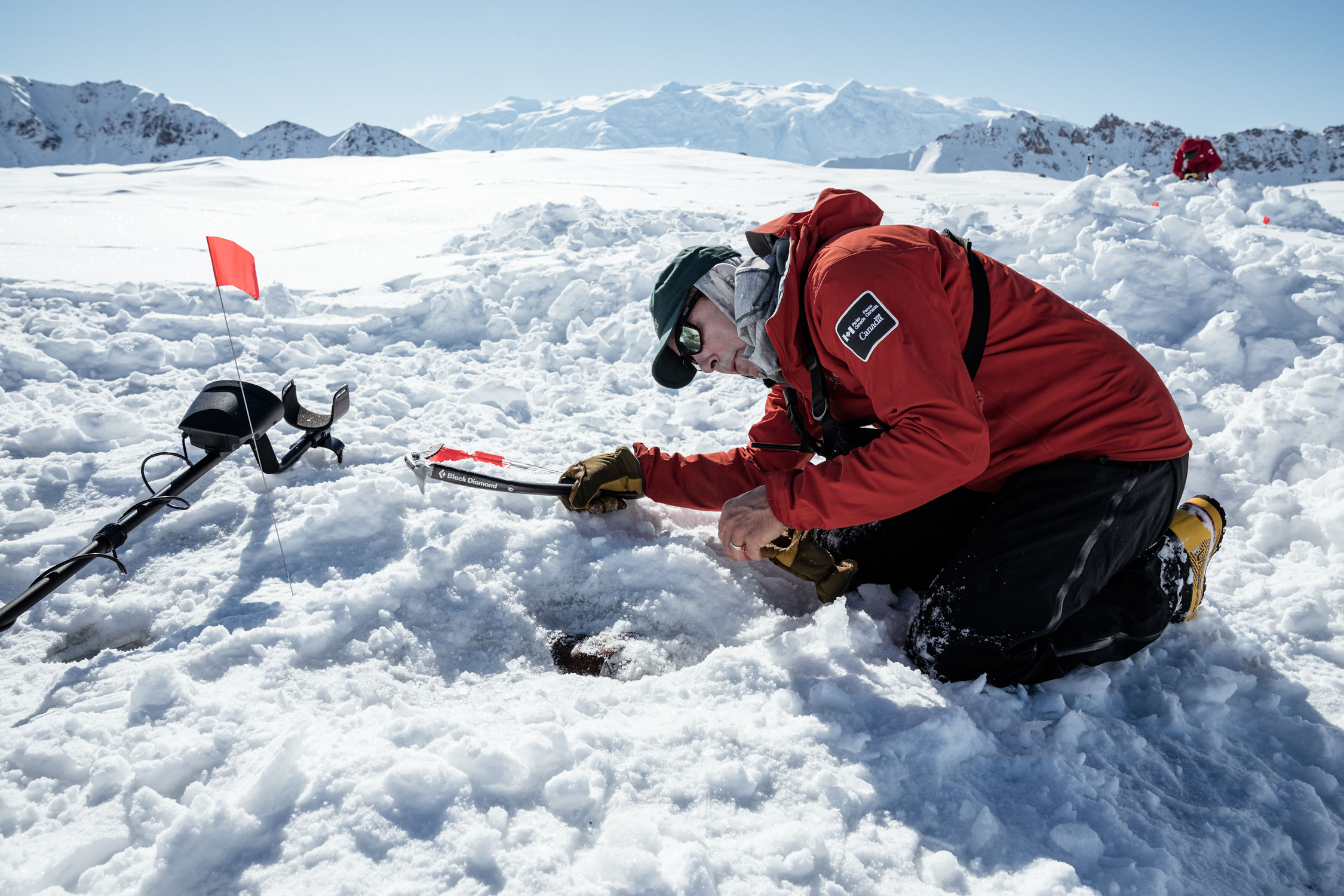
Studying glacial ice and the history that lies buried beneath it. | Leslie Hittmeier photo.
Canada is the second largest country in the world by land area, and Parks Canada protects a vast network of cultural and natural heritage places that include 171 national historic sites, 47 national parks, five national marine conservation areas and one national urban park.
"People always ask archeologists about what their highlights are," says Sharon Thomson, an archeologist. "It really is hard to answer because one of the really amazing things about working for Parks Canada is just the breadth of the area that you get to work across."
Thomson has worked with Parks Canada for 31 years and has literally unearthed and helped interpret stories across Canada and along the longest national coastline in the world. "I work in national parks and national historic sites in the Western Arctic and the Yukon and in Manitoba and Saskatchewan," she says. "My furthest south park is right on the southern border. And my furthest north park is on an island off the mainland of Northern Canada. So, it's really hard to pull out favorites from that when there's so much variety."
With a landmass as large as Canada, the amount of untold stories can feel infinite. Tackling the job of discovering, preserving, and telling those stories is not only daunting. It is complex.
"Part of the job of an archeologist is to gather that information that then goes into telling that story," says Thomson. "It's only a small part of the information, but it's one kind of information that then gets rolled up into that larger, more comprehensive story."
As with most big objectives in the mountains, discovery and execution are wildly different. It's one thing to call your ball on a first descent. It's another to plan it, access it, and ski it safely and with style. "Many of our archeological projects within national parks, the time scale is done in terms of months and years," says Scott Stewart, the visitor safety coordinator in Kluane National Park and Reserve.
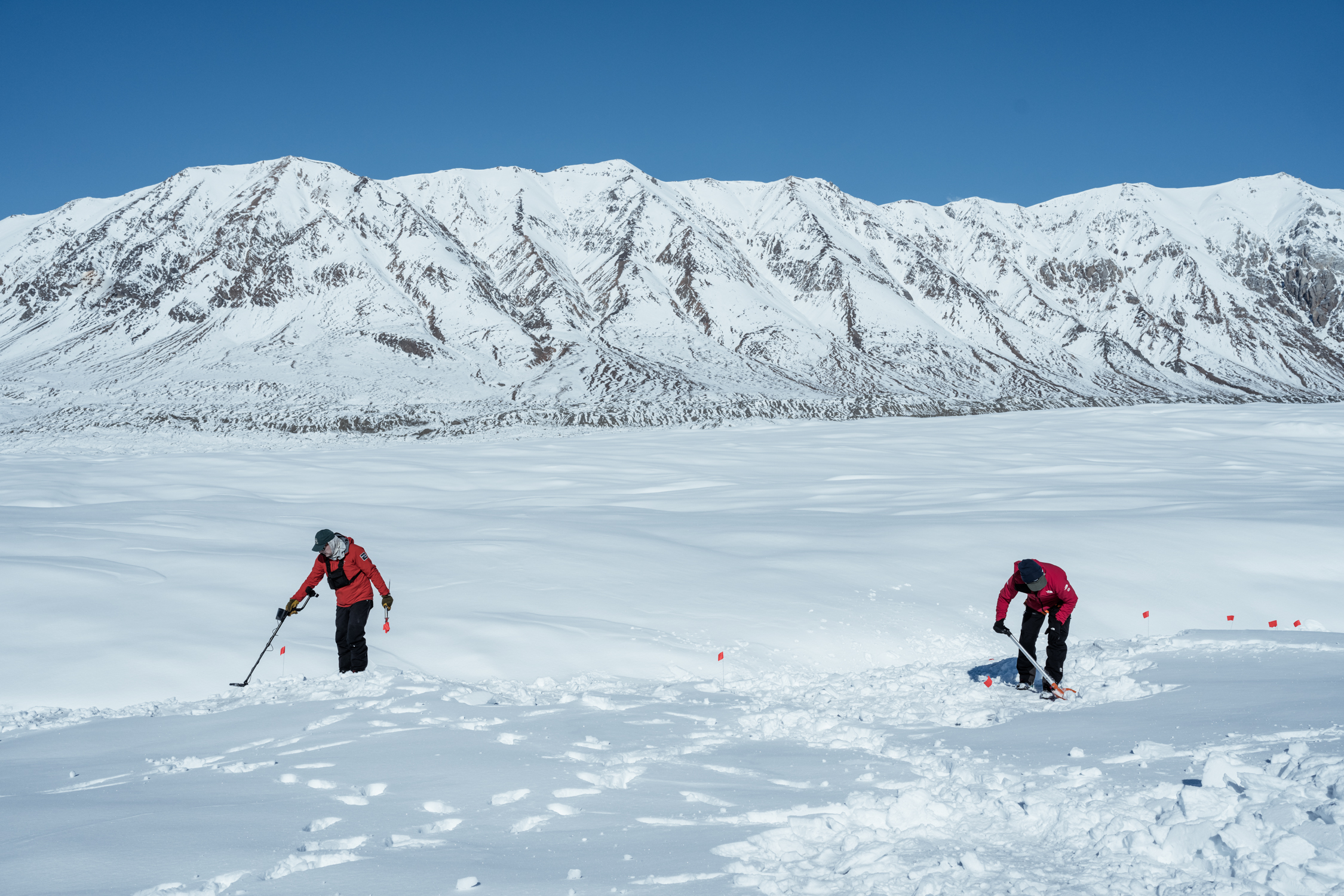
Parks Canada spends as much time in the field as they can to better understand the places they take care of. | Leslie Hittmeier photo.
Sign Up for the TGR Gravity Check Newsletter Now
Tackling these complicated projects requires more than time. It takes people. Lots of people. One of those is Cindy Lee Scott. Her archeological work has taken her to Greece, Cyprus, Haiti, New Zealand, New Mexico, and now the Yukon. At Parks Canada, she helps manage artifacts found from coast to coast to coast, ensuring they are collected and preserved correctly. Her motivation stems from a curiosity fostered by childhood limits.
"I think a huge part of becoming an archeologist and a conservator 100% stems from...years of my mother telling me I could 'look but not touch," says Scott. "And I'm like, 'no, I want to touch everything.' Having history in your hands is, you're like, oh my gosh...It's just so cool."
What motivates people like Thomson, Stewart and Scott isn't just the preservation and restoration of artifacts found on these lands. It's the sharing of them. "My pie-in-the-sky dream is being able to share [our finds] with the Canadian public," says Scott. "We make reproductions of artifacts collected at various sites for the sites that can be used by them as part of their education in interpretive programs."
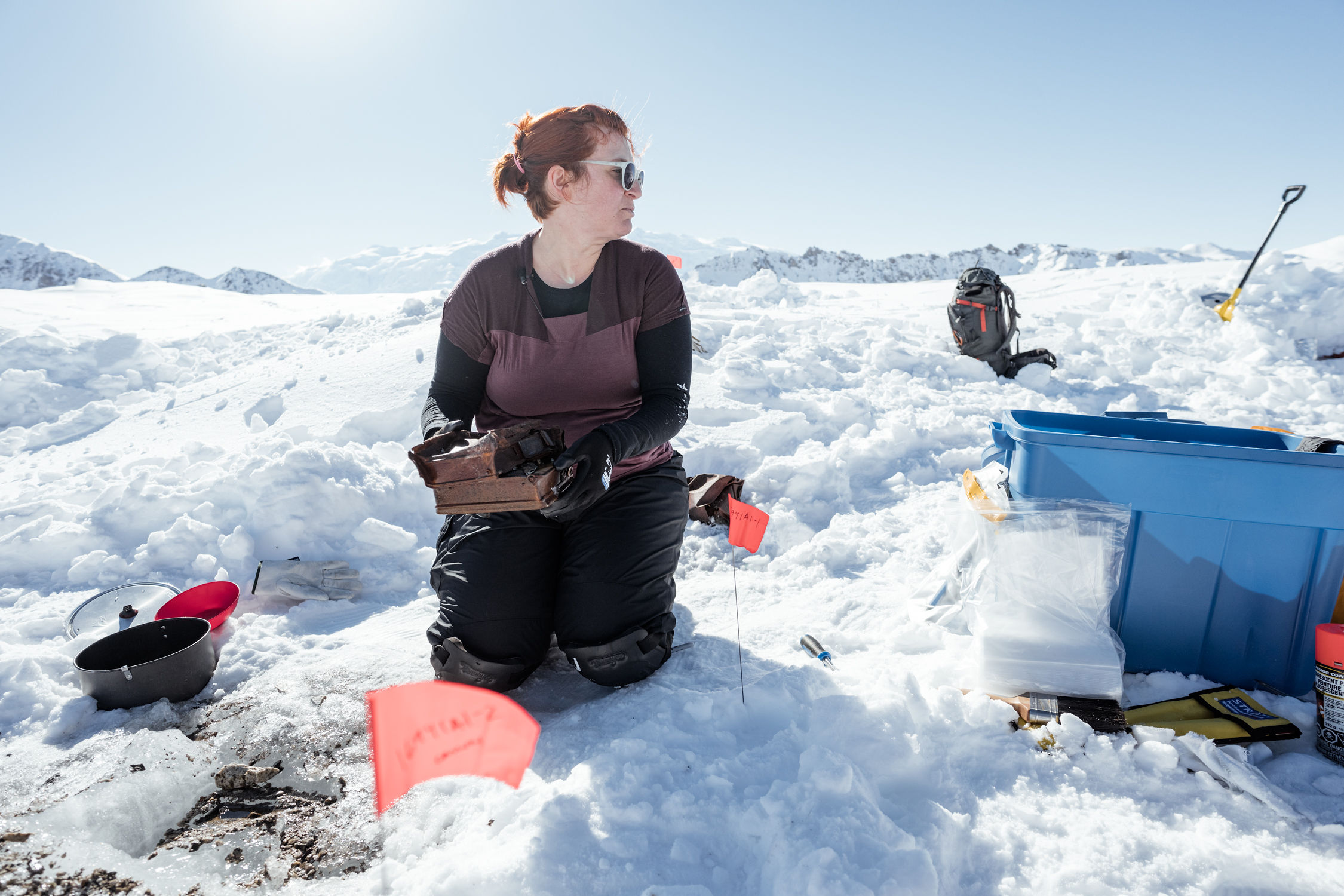
Parks Canada's Cindy Lee Scott at an archaeological dig site. | Leslie Hittmeier photo.
"I think when we use the term 'interpreter', what we're really talking about is just bringing forward those stories," says Thomson. "There are many different stories from many different perspectives that can be told...and many people employed in Parks who...do that really nuanced job of bringing together those different viewpoints and bringing those stories to the public. It's important work."
A moment Stewart recalls helps sum up the importance of these stories brought forth from the ice and earth. "My two daughters were awake in bed when I came home at nine at night," he says. "One of the first things I did was to tell them the story of what I was doing...to see their eyes widen as I painted the picture of how long ago these travelers were traveling in that environment...those footsteps they would've walked 85 years ago."