Inaccessible: An Interview on Access and Public Lands
Popular Stories
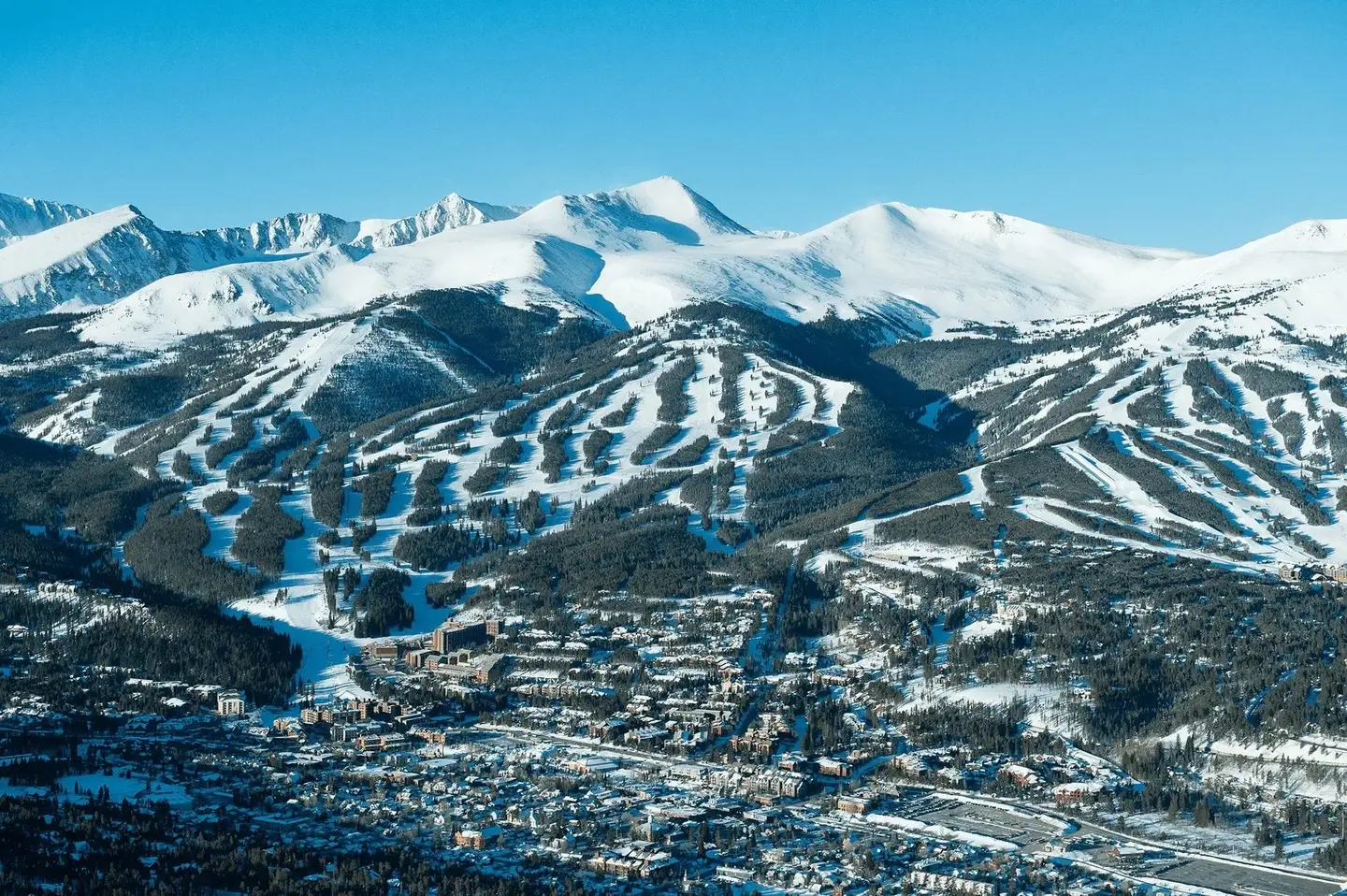
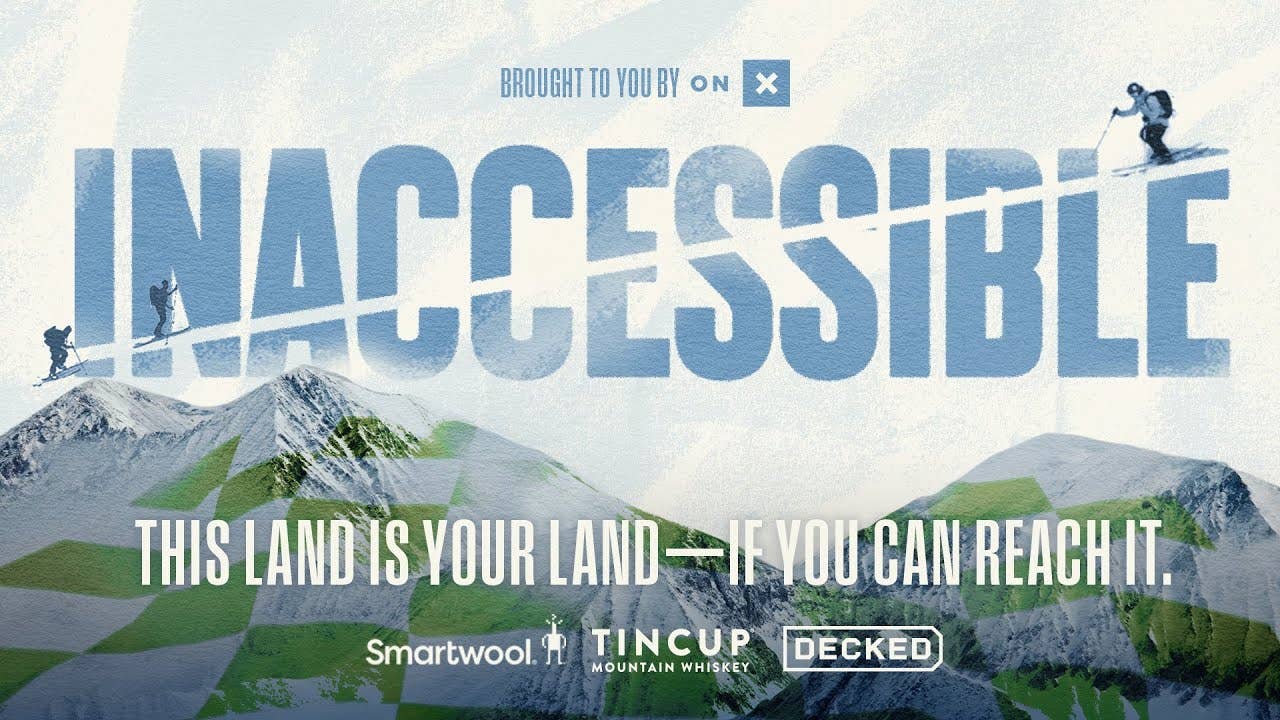
Public lands are often talked about as a given; open, protected, and available to everyone. Inaccessible, a documentary from onX, challenges that assumption. Set in Montana’s Crazy Mountains, the film explores what happens when public land exists on paper but access disappears on the ground.
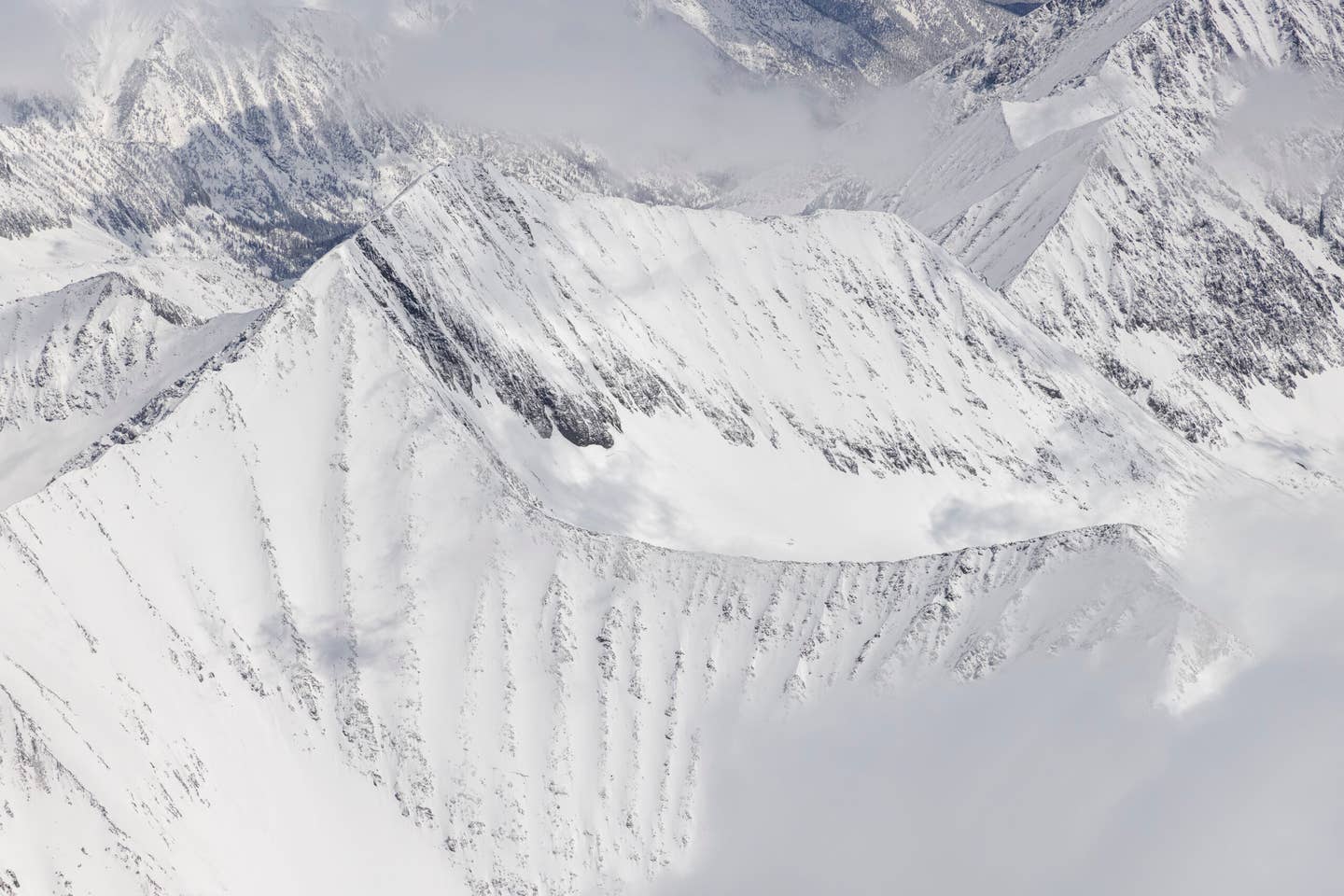
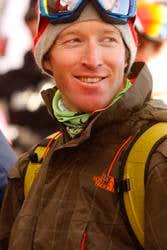
In this Inaccessible ski film interview, we sat down with skier Griffin Post to talk about the idea behind the project, the realities of checkerboarded land ownership, and why access matters to every outdoor community.
Inaccessible is more than a ski mission; it’s a story about access. When did the idea for Inaccessible first take shape, and why lean into the battle for public lands?
Griffin: Three years ago onX hosted a symposium where we got together people from every corner of the outdoor industry, and we realized that while we all enjoy public lands differently, the one commonality we have is access. It really inspired me to ask myself: what am I doing as a representative from the ski community to protect and push forward our common priorities?
Then I realized that we had an opportunity to have an impact beyond your typical ski film and that we could really shine a light on the critical issues that affect every outdoor enthusiast.
We can all be doing more to protect our access to public lands, and I wanted to show that it’s an issue that should be at the forefront of our conversations and work across the community.
The film sits right between adventure and policy. What challenges came with explaining the issue of access while still keeping the story rooted in the mountains?
Griffin: The history of our public lands is complicated, and as we’ve seen with recent policy proposals, the future of access is never guaranteed. Folks in the hunting and fishing community know these challenges all too well and routinely face them every season.
We really saw Inaccessible as an opportunity to tell this story to a different audience. Skiers and snowboarders might not face these same access challenges every day, but they’re foundational to the experiences that we have in the outdoors. Finding a way to tell this story while highlighting our pursuit was a challenge in itself.
Luckily the onX team was able to analyze its data to find a handful of mountain peaks that are inaccessible to the public, due to historical land ownership patterns dating back to the 1800s. When we looked at each peak, the Crazies stood out to us as a beautiful backdrop to explore that challenge and highlight what’s at stake.
You’ve said hunters and anglers have dealt with inaccessible public land for decades. What was it like bringing this issue to an audience of skiers, riders, and a broader outdoor community who may be learning about this for the first time?
Griffin: It was a big opportunity. We’ve always rallied around the cry of “protecting public lands,” but I think a lot of us don’t understand exactly what that looks like or what’s at stake. Being able to really show how the issue of accessibility affects all of us in a very tangible way feels really powerful.
Before filming, what was the team’s understanding of access barriers in the Crazies, and how did that perspective change once you were deep in the area?
Griffin: onX Backcountry gave us some great tools for visualizing the terrain with their 3D mapping, public land and private land layers, so we had a pretty good idea of what we were getting into; but no matter how prepared you are, being out in the field is always a different experience. When you’re climbing these steep mountains in varied conditions, trying to stay exclusively on public land, you learn just how much checkerboarding can affect your routes and safety.
Planning is critical, but when you’re there in person, sometimes you need to change routes on the fly in the face of conditions and land boundaries.
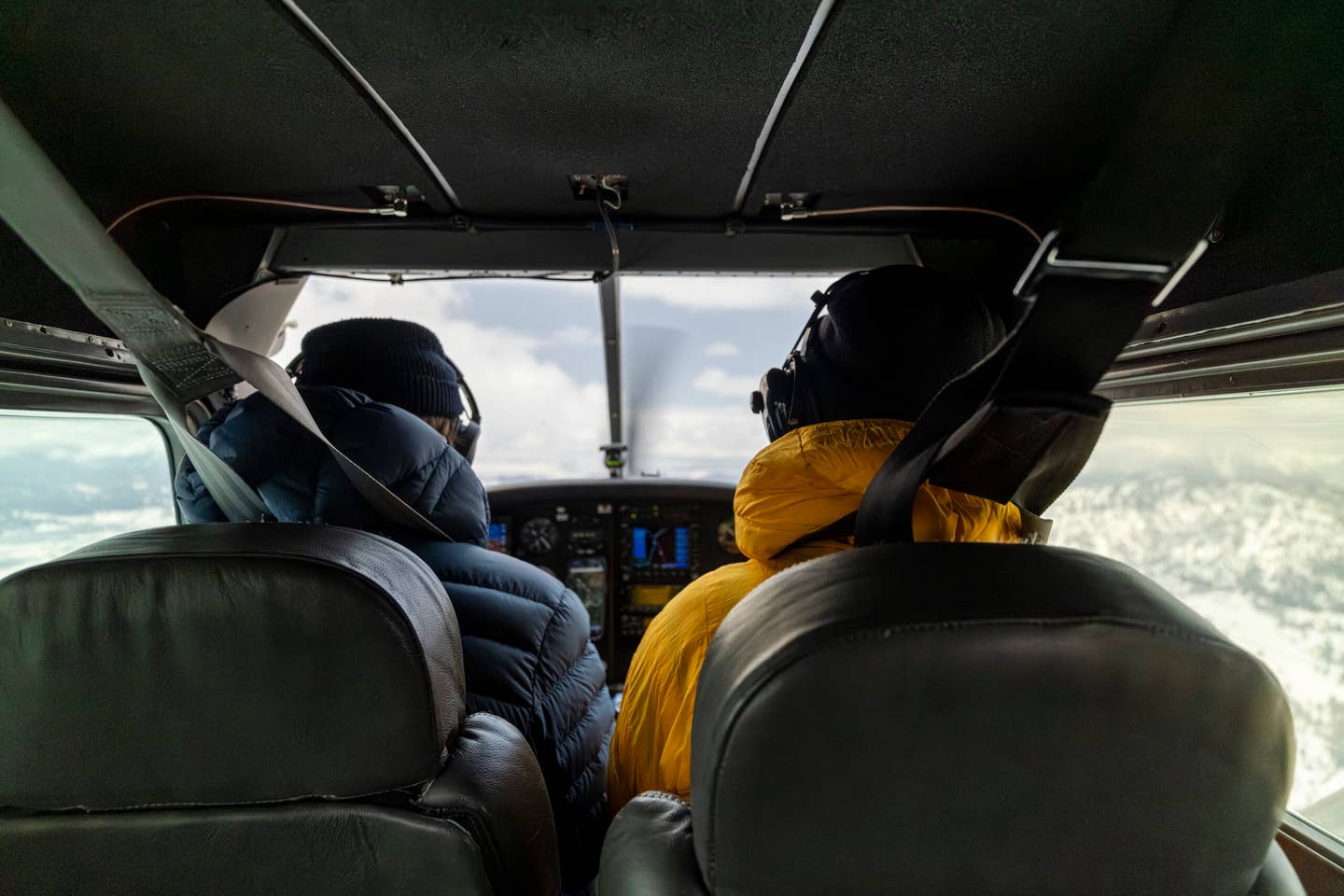
“This land is your land; if you can reach it.” How did that idea show up emotionally during the mission? Were there moments when the boundaries felt more real than the terrain itself?
Griffin: I’d seen it before as a hunter: elk a few hundred yards away on public land, made inaccessible by a sliver of private land; but on this trip we really experienced it as skiers. Safe routes that would have shaved serious time off of our ascent, made inaccessible by private land boundaries.
We always respect private ownership, but in moments like that where your safety is on the line at 10,000 feet, it feels pretty frustrating to know that your route is dictated by an unseen property line.
Fortunately I think it’s that emotion that is going to help folks understand how inaccessible public lands really do have an effect on our pursuits.
The Crazy Mountains have a controversial history around access. How did that history influence the route, the storytelling approach, or even the group dynamic during the project?
Griffin: The Crazies have an extremely complicated land history and, while that in itself is fascinating, we wanted to stay focused on the issues that affect the 16 million acres of inaccessible public land across the US. So, our approach was a bit broader rather than going into the specific nuances of access in the Crazies, as we didn’t want the viewer to think this is an issue that is only relevant to one range in Montana.
That said, for anyone interested in an extremely complex and controversial history, it’s definitely worth diving deeper into the Crazies.
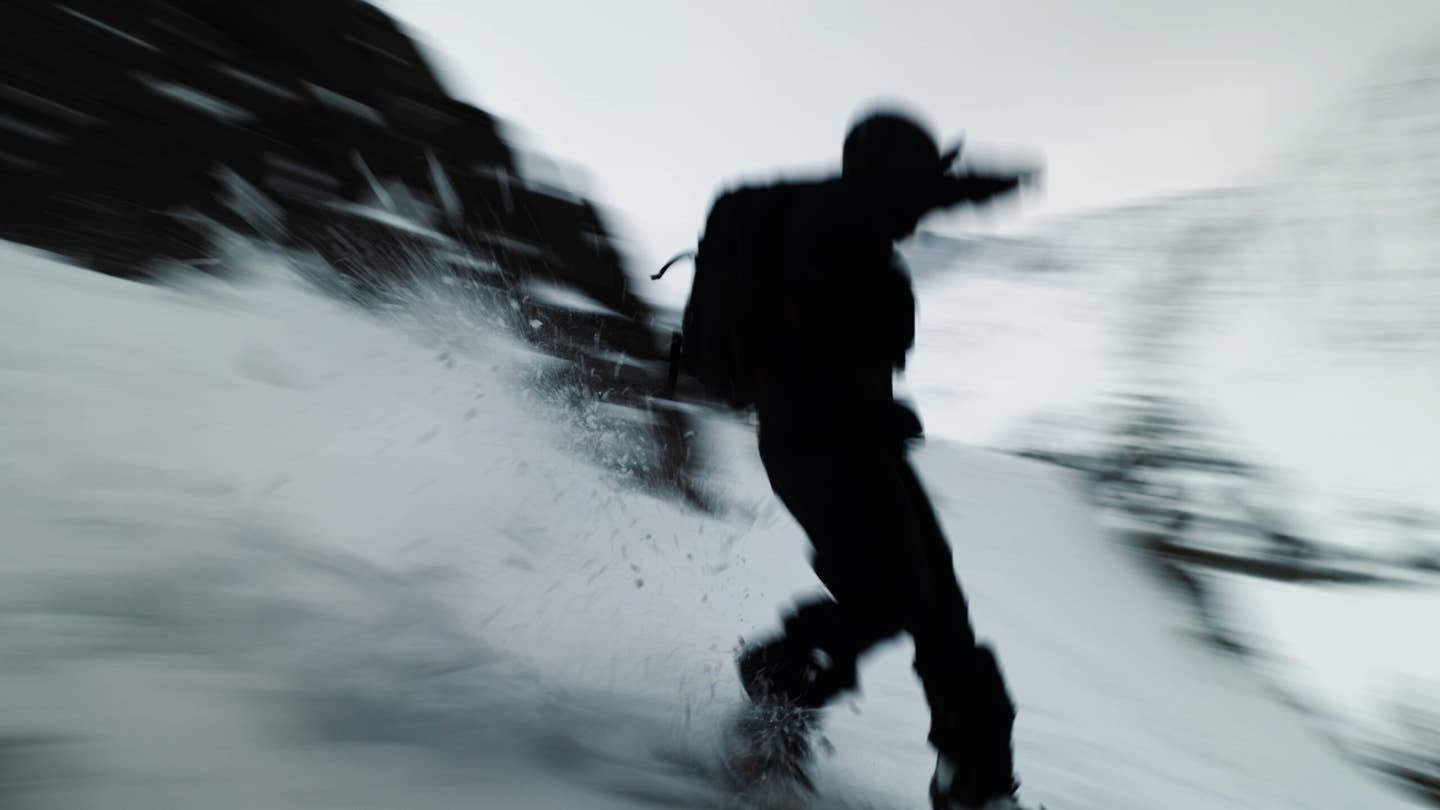
Ski missions usually come down to logistics, weather, and avalanche conditions. What new challenges came up when the biggest obstacle wasn’t the mountain, but the map?
Griffin: Navigating public and private land boundaries made every pre-existing challenge even harder. Now instead of taking what looked to be the safest, most convenient route, we had to find alternate and sometimes counterintuitive routes.
Essentially, it just added a lot of extra work both on the planning and execution side.
As someone who hunts, skis, and moves through the outdoors with intention, how did your background shape the lens of Inaccessible?
Griffin: My experience as a hunter more than anything shaped this film. It’s interesting; when you take hunter’s education, land stewardship and conservation is a not insignificant portion of the class. It’d be interesting if there was a similar counterpart in avalanche courses in terms of what it means to be a responsible user and maintain access for future generations.
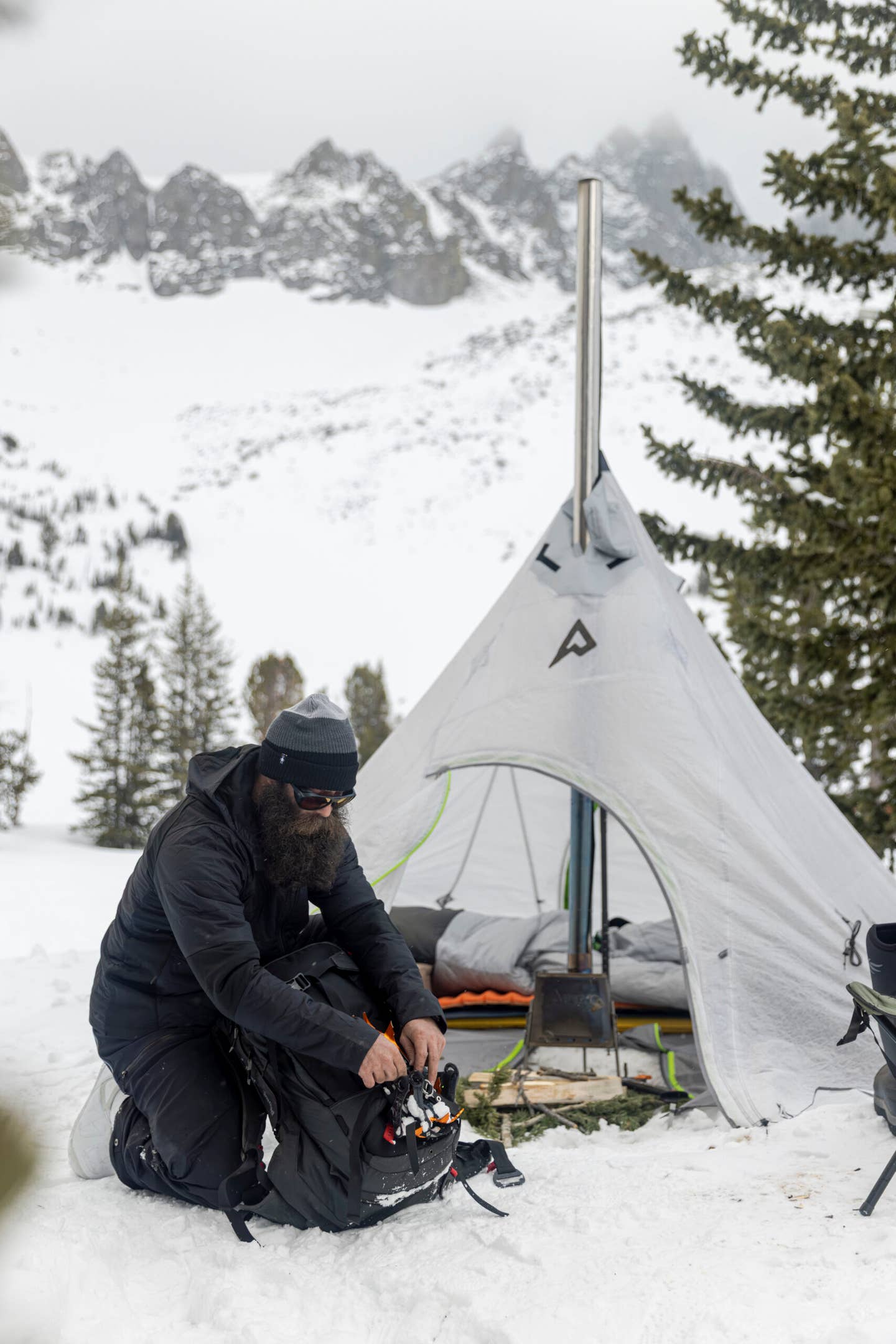
The Crazy Mountains are visually beautiful but politically complicated. How did the team tell the story about conflict without losing the beauty of the place?
Griffin: The beauty of the Crazies speaks for itself, and we’re so lucky that it was the backdrop to this story; but you’re right, the history and politics of the area are complicated. When you get up close to the Crazies all you can do is marvel. Most folks would assume that ranges like this are too precious to be privately owned, but that’s one of the things we’re hoping to highlight: even our most treasured landscapes face access challenges.
I also think that Shane provides an important context for just how important and sacred the lands are to Indigenous people of the Crazies. Yes, these mountains are objectively beautiful, but they also have a spiritual significance that should be appreciated.
Sign Up for the TGR Gravity Check Newsletter Now
Was there a moment during the trip when the purpose of the film shifted from a ski mission to something deeper?
Griffin: From the get-go we knew what we were up against in terms of access, but looking at maps is one thing; dealing with it in person is a whole other challenge that really put the access issue in perspective.
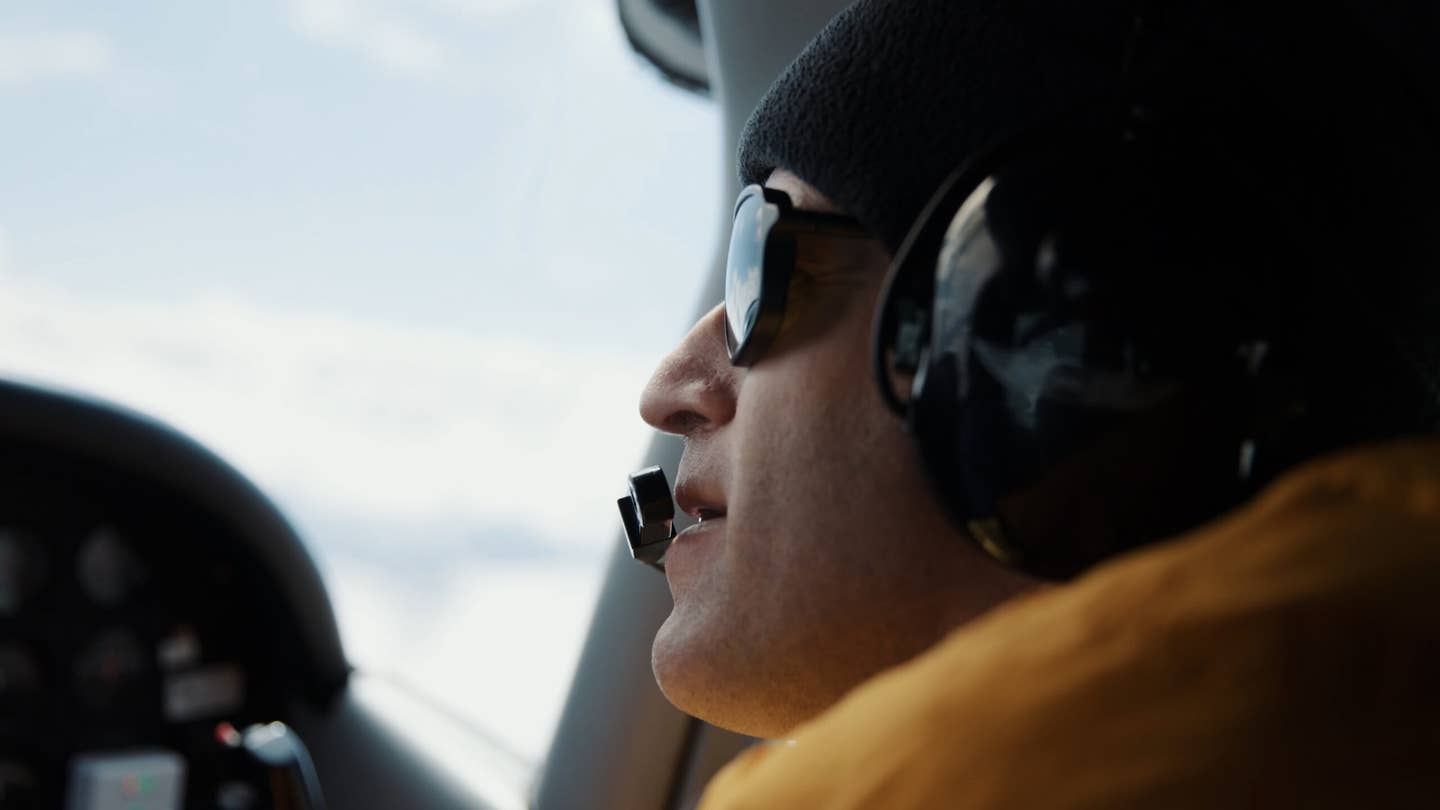
Access issues often feel abstract until you’re standing at the boundary line. Was there a moment when that absurdity really hit home?
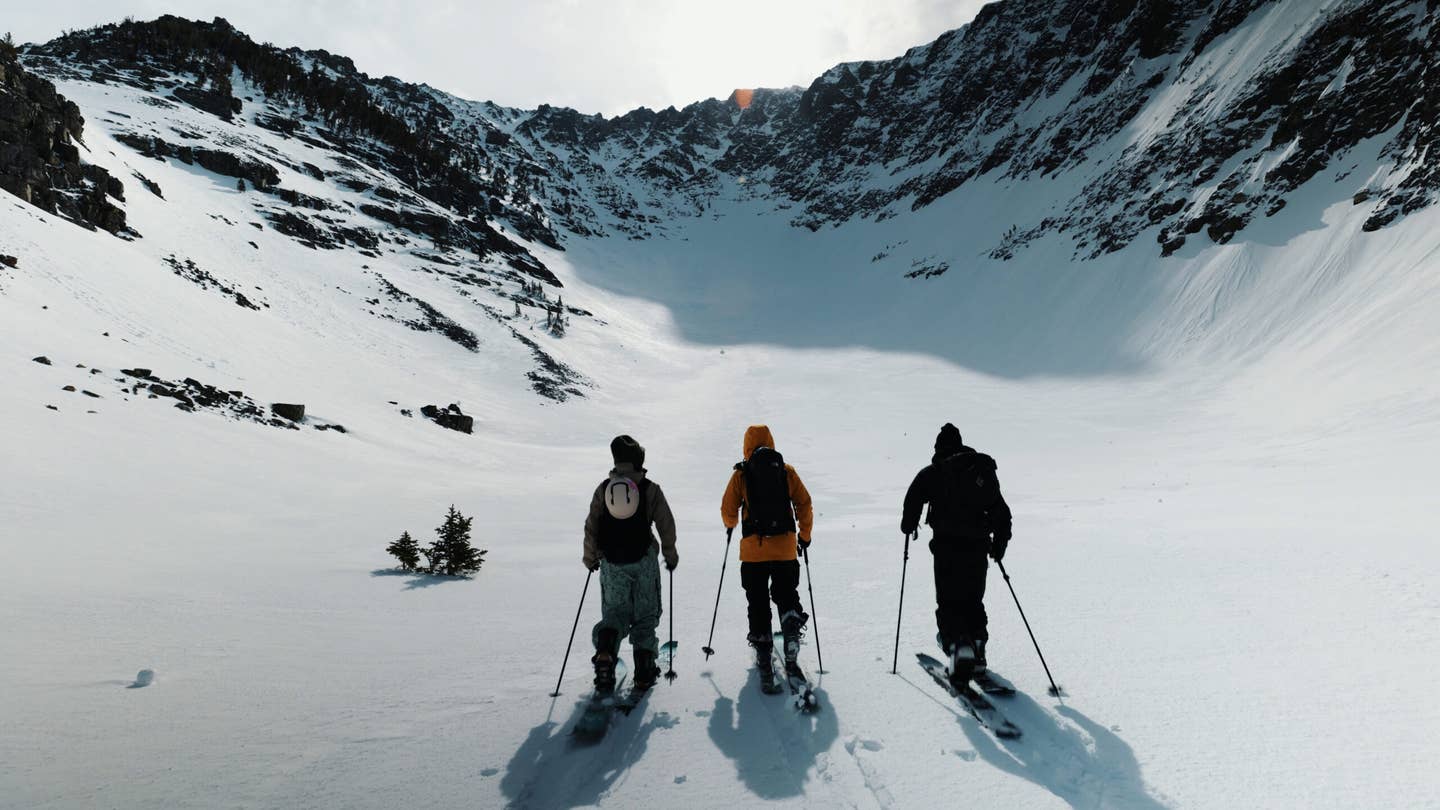
Griffin: Absolutely. Standing at the base of these surreal mountains and seeing the clearest, safest way to get up to a couloir, but knowing that you can’t legally do it, was a trip. Or there’d be a couloir that you could ski half of and then have to stop and boot back out of.
You need ski footage to make a ski film, but time and time again we found great lines and routes that were blocked off by private land.
It really hits when there’s not a trace of human life in the mountains, and you see an obvious route, but know that you could face prison time and fines for crossing an unmarked line under the snow.
What surprised you most about the project?
Griffin: The outpouring of support across user groups has been great. We’ve heard from people in both motorized and human-powered communities who didn’t realize how acute access issues might affect them and are now looking to get involved.
We might not agree on everything, but it’s been great to hear that the film is broadening perspectives and inspiring action.
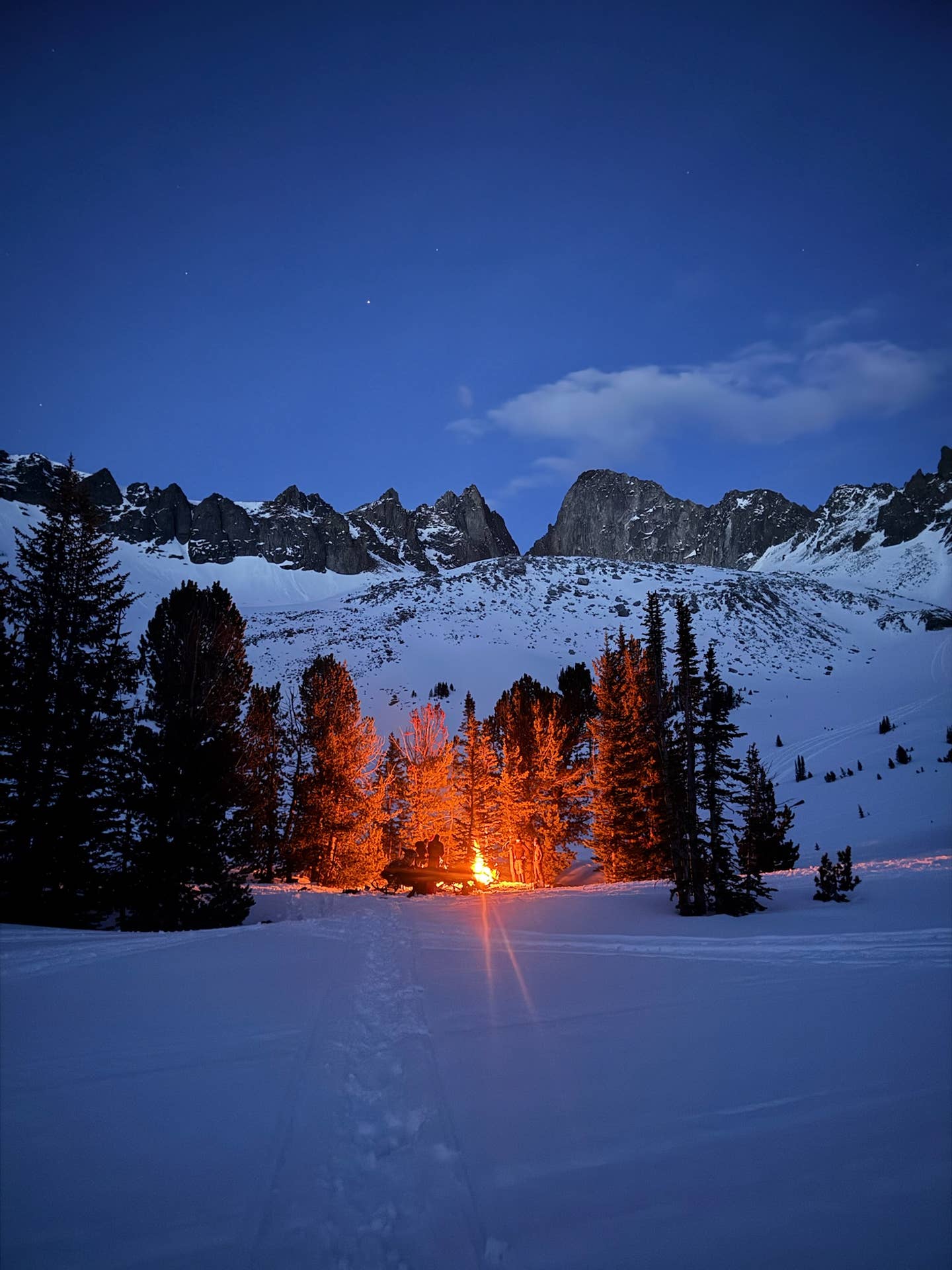
Inaccessible asks a big question: Who gets to access America’s public lands, and why? After making the film, how would you answer that now?
Griffin: Access is up to all of us.
We saw it earlier this year; our public lands are being threatened like never before, and when the entire outdoor community stood together, we won. When we come together, our voice is louder and our actions are more impactful.
What do you hope skiers, riders, and public-land users take away from this film beyond awareness? What action do you hope it inspires?
Griffin: I hope the entire outdoor community can rally together and take action. We have great partners on this film like the Theodore Roosevelt Conservation Partnership and the Trust for Public Land, who do incredible work to expand and protect access.
I hope skiers and riders get involved with groups like that, or see what organizations are doing good work in their own communities.
It’s up to all of us to stay informed, advocate, and take action. I hope Inaccessible gets the ball rolling for our community.
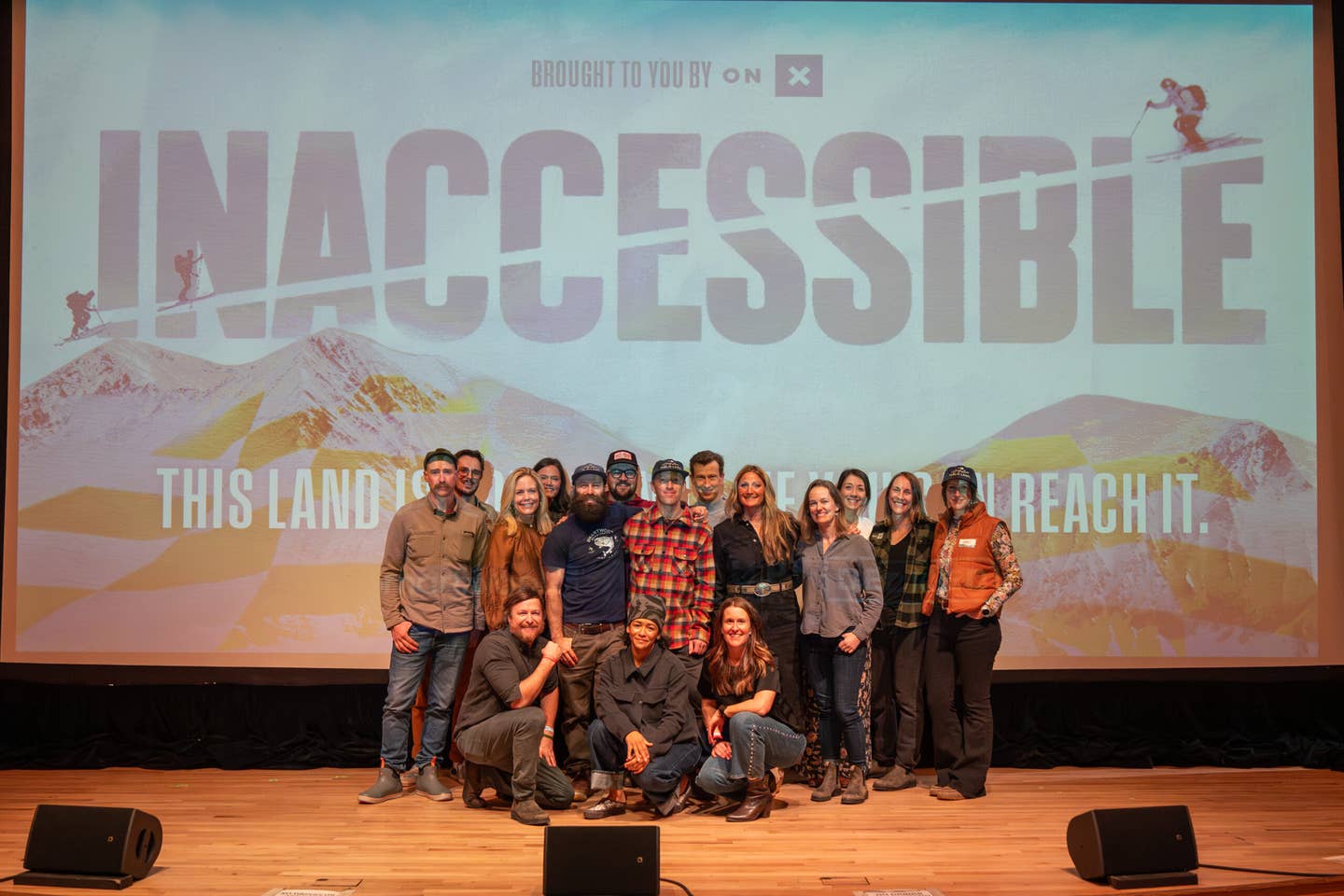
If you could describe Inaccessible in a single word, what would it be?
Griffin: F.A.F.
Inaccessible reframes access as more than a policy debate. Through firsthand experience in the Crazy Mountains, the film shows how land boundaries shape safety, movement, and opportunity in the outdoors. It asks skiers, riders, hunters, and all public-land users to consider their role in protecting access; not as a future concern, but as a present responsibility.
Watch Inaccessible below to see how access shapes movement in the mountains.