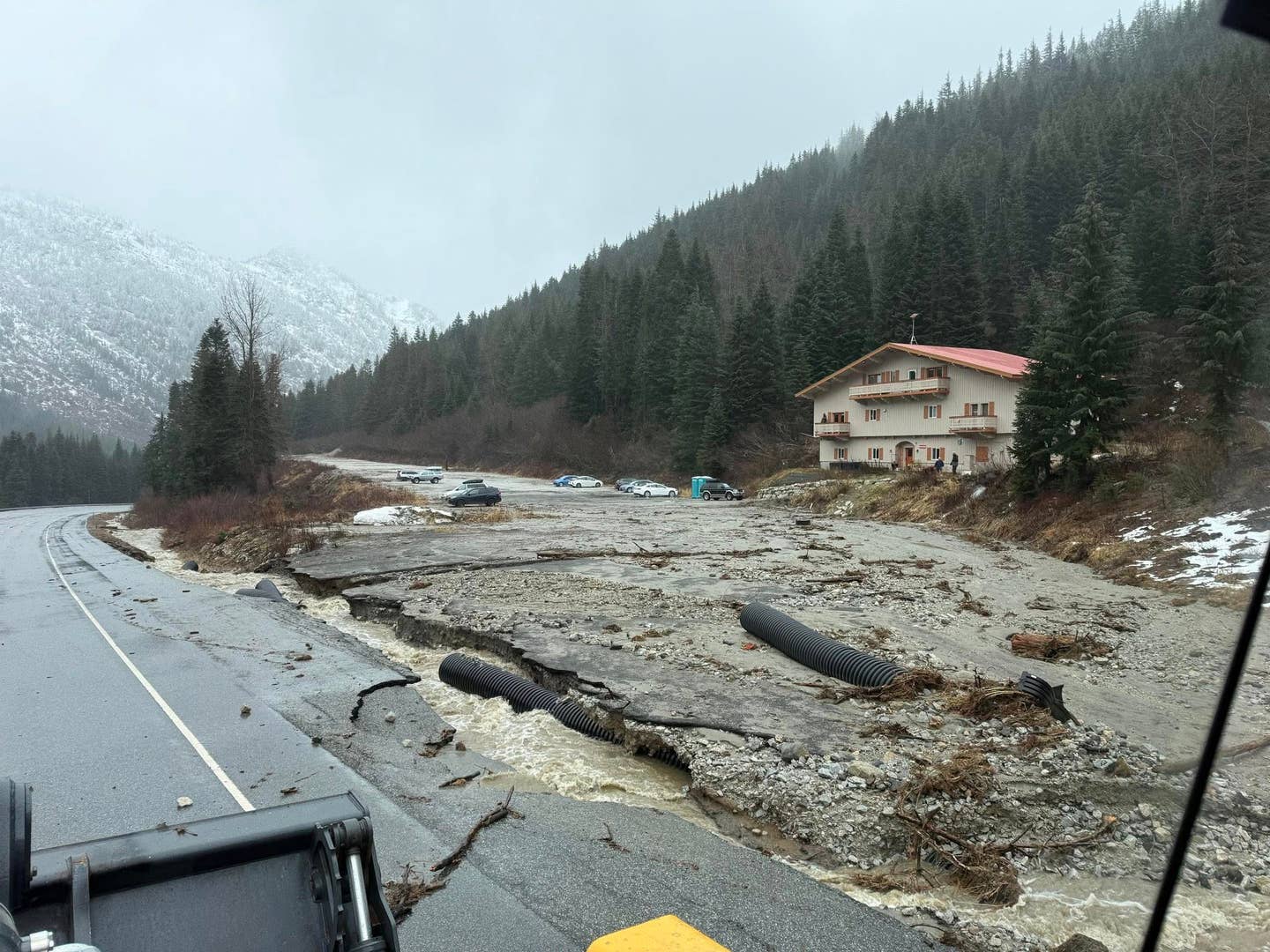
How an Atmospheric River Turned Washington’s Ski Country into a Flood Zone
Popular Stories

The PNW’s weather is always extreme, but the recent atmospheric river has taken it to a whole new level. Called a ‘river in the sky,’ tropical moisture caused days of torrential rain, forcing Washington into a state of emergency. The event's power, flooding and mudslides have had a crippling effect on communities and major mountain access points.
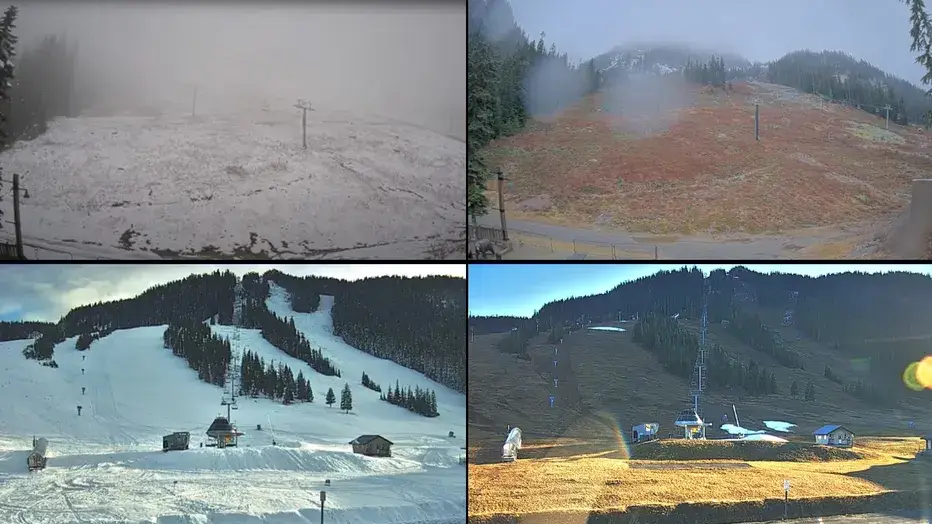
The Stevens Pass Deluge: A Staggering 17 Inches
Lowland communities faced rising rivers, but the Cascade Mountains, including Stevens Pass, endured the heaviest downpours. Recent reports from Stevens Pass revealed a shocking statistic: the resort received 17 inches of water over a five-day period. To put that in perspective, that’s over a foot and a half of liquid precipitation in less than a week. Warm December temperatures pushed the snow line up, turning expected snowstorms into historic rainfall instead. This rapid melt and deluge is the perfect recipe for widespread flooding. The resort itself, thankfully, remains "in good shape," according to recent updates. However, the surrounding communities and the critical infrastructure that feeds into the pass are not so lucky.
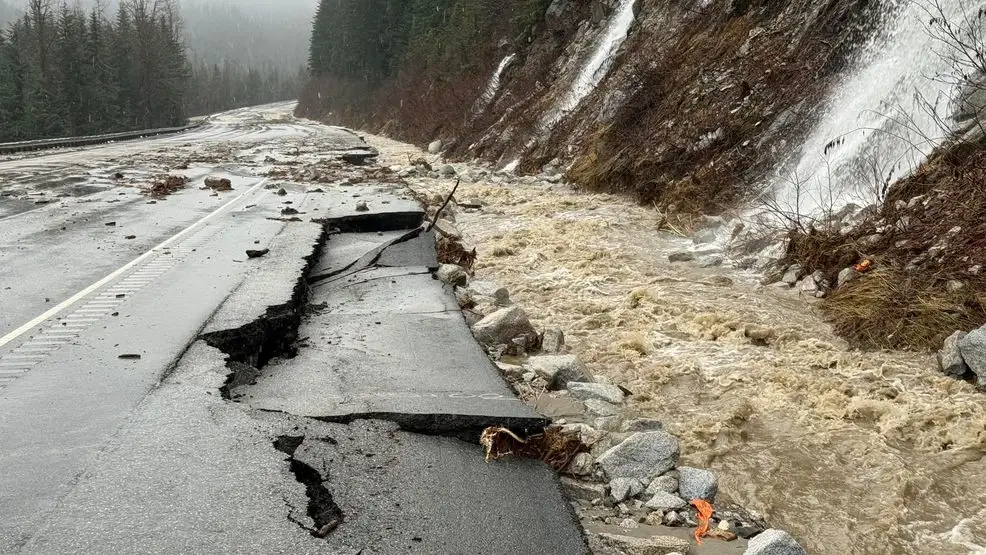
Mountain Access Cut Off: The Closure of US 2
For anyone who lives to explore the Cascades, the closure of U.S. Highway 2 (US 2) is a serious blow. The route, which is the primary access point to Stevens Pass from Western Washington, is facing massive problems. A roughly 50-mile stretch of the highway has been shut down due to a combination of flooding, rocks, trees, and mud covering the roadway. Reports indicate that a section of US 2 even washed out into the Wenatchee River. With no detour and no estimated time for reopening, the highway remains entirely cut off from the west and east of the Pass.
This closure illustrates the direct impact of the atmospheric river on the adventure community. Getting to the mountains for a day on the slopes is simply impossible when the roads are gone. Meanwhile, other popular mountain areas like Snoqualmie Pass and Crystal Mountain are also monitoring the extreme weather, hoping for colder temperatures to turn the rain into a massive, stabilizing snowpack.
Sign Up for the TGR Gravity Check Newsletter Now
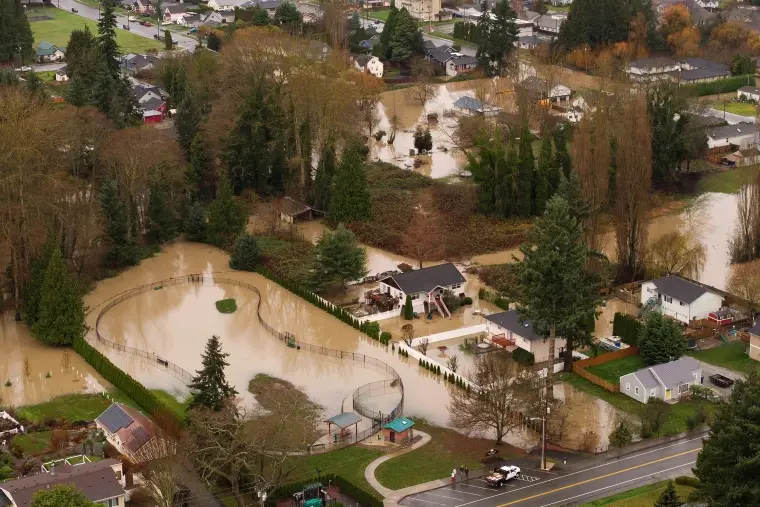
Widespread Emergency and Resilience
The crisis extends far beyond the ski resorts. Governor Bob Ferguson declared a statewide emergency, highlighting the dire conditions across Washington. Over 100,000 people were under evacuation orders in areas like Skagit and Snohomish counties, as rivers swelled to record or near-record highs. Dramatic water rescues were performed as first responders navigated rapidly rising floodwaters. The force of the flooding has been described as "unbelievable," devastating agricultural land and small towns.
Despite the overwhelming devastation, the community is already looking forward. The Pacific Northwest is known for its rugged terrain and its resilient communities. As the skies tentatively clear and rivers slowly begin to recede, the focus shifts to recovery and preparing for the next wave of challenging weather. One thing is clear: an event of this magnitude serves as a potent reminder of the raw, uncontrollable power of nature.