IPOS: Bolton Valley
Popular Stories
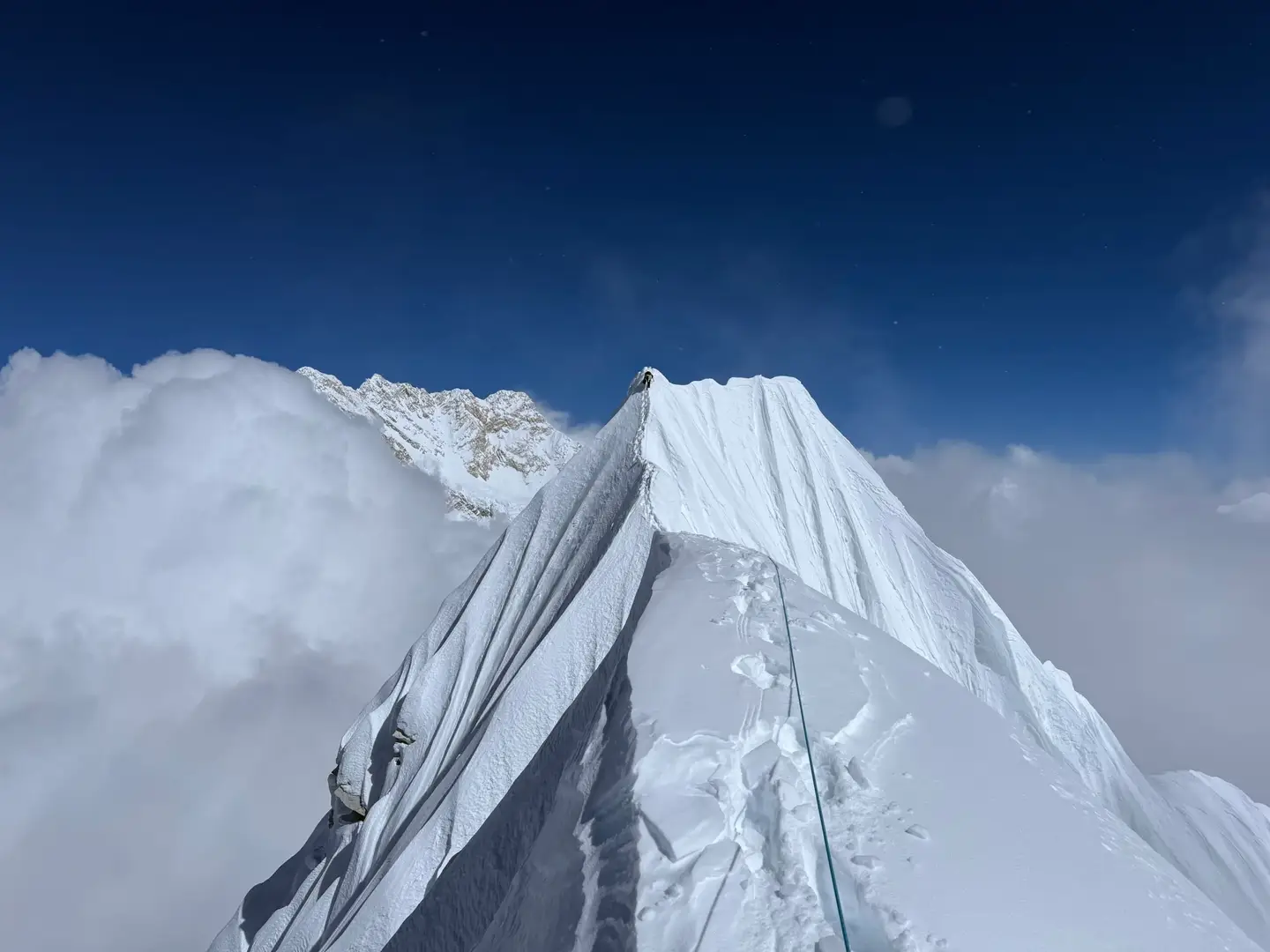
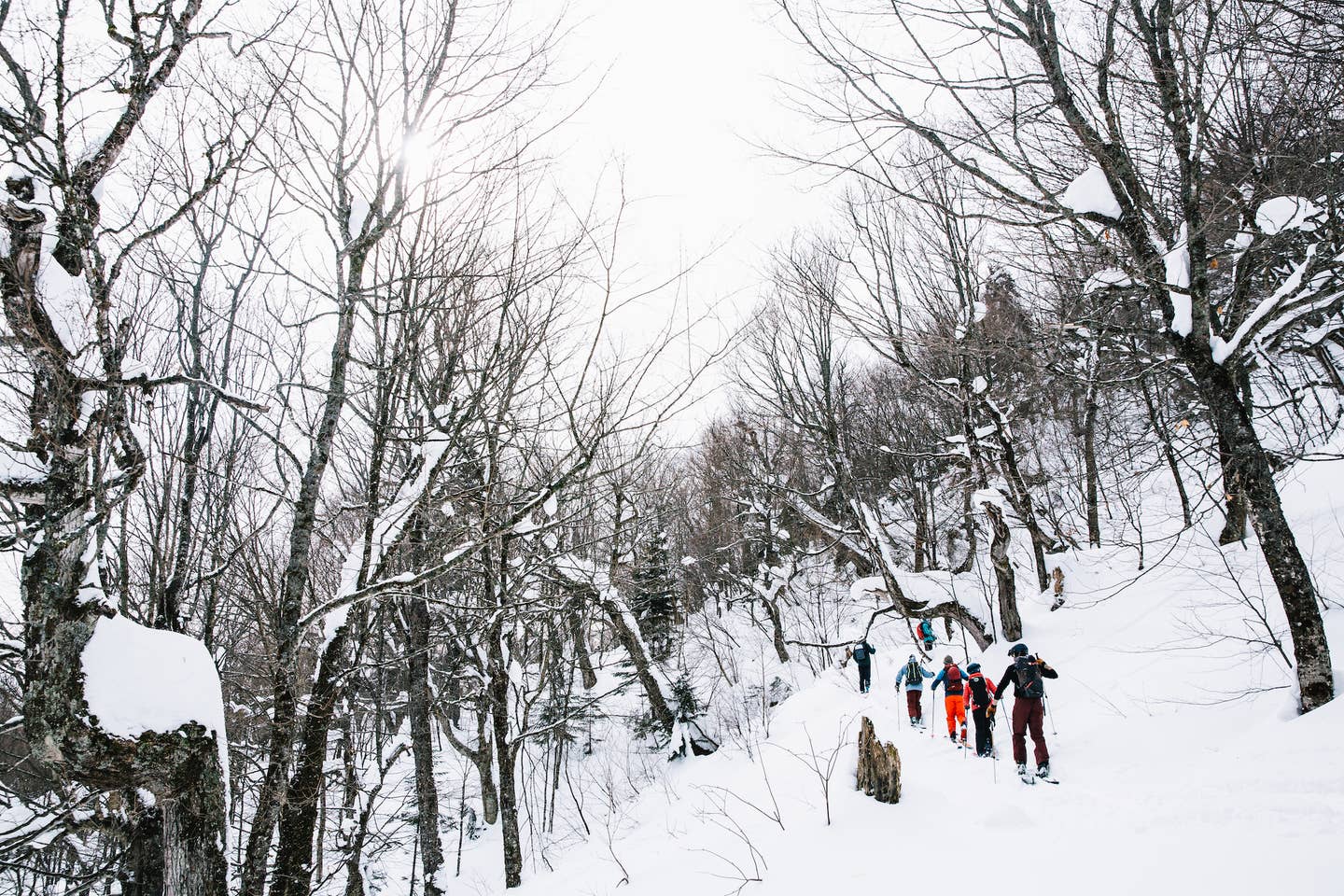
Today we're doing something we haven't done yet on our trip to the East Coast, and that's some backcountry skiing. Lucky for us, Bolton Valley has about 12,000 acres of backcountry terrain accessible right from the resort. It's good skiing, too. The base of the mountain is the highest you can find in the state of Vermont, sitting at 2200 feet and nestled amongst some of the highest faces in the Green Mountains. Additionally, the mountain is aptly located next to the widest part of the Lake Champlain Basin. It makes for great views, but more importantly, storms collect moisture from Champlain and subsequently dump snow over the Green Mountains and Bolton.
Recognizing the industry's push into human-powered adventure, Bolton opened their own Backcountry Skiing & Splitboarding center to make this incredible terrain more accessible for their guests. Their backcountry terrain consists of northeast-facing snow-accumulating zones that feature everything from mellow stands of old-growth white and yellow birch to adrenaline-pumping couloirs and cliff zones. Our guides today are none other than the DesLauriers family, who know these mountains perhaps the best. Some still call Vermont home, whereas others have moved West. Today, however, they're all back in Vermont for a little family reunion. These mountains and forests were their playgrounds, having grown up right at the base.

The view from the backside of Bolton Valley. Katie Lozancich photo.
We're specifically joined by Rob, Eric, Adam, Evan, Lindsay Deslauriers, and some of their kids. Their time spent at the resort made quite the impression on them during their youth. Skiing has shaped the course of their lives one way or another. Lindsay is the President of Bolton, one of only a few women in her position in the snowsports industry. Both Rob and Eric grew up to be professional freeskiers, carving their own space in the burgeoning freeskiing movement. Adam tagged along on many of their adventures but was on the other side of the lens filming them. Now Adam works as Bolton's Backcountry Director and is credited with starting the resort's first-of-its-kind in-house backcountry guiding and instruction program. None of this is all that surprising, considering that a love for the mountains runs in their DNA. "I've never known life without Bolton Valley," jokes Rob. When he was four years old their dad built condominiums right at the base, which became their home, meaning that the resort was their backyard.
The resort was first established by their dad Ralph DesLauriers and grandfather Roland DesLauriers, and it grew into a beloved family resort for the New England area. "When my dad built Bolton it was in the sixties, and very few Vermonters skied," explained Lindsay DesLauriers, Ralph's daughter, who's now the president of the resort. Wanting to make the sport more accessible for the local kids and families, Ralph approached the local schools and pitched a pretty radical idea: Bring your students to Bolton after class and we'll teach them how to ski. This blossomed into a thriving after-school program. Over 30 years, Bolton collaborated with 43 schools in the program. They taught roughly 27,000 kids to ski, many of whom still ski today.

Rob showing us how New England skiing is done. Katie Lozancich photo.
Given that Bolton Valley has been a family affair with the DesLauriers since the beginning, it makes sense that it exudes such a welcoming and friendly vibe. But the resort hasn't always stayed within the family. In 1997, the family lost ownership and from that point on, things were rocky for a while. The resort closed during the 1998-99 season, and when it eventually reopened it constantly dealt with financial woes. "When the family lost the resort it left a hole in my heart," Rob DesLauriers reflects, but in 2017 the family bought the resort back. While Ralph resumed his place on the leadership, he was joined by his daughter Lindsay who became the resort's new executive vice president and chief operating officer. With a new generation of DesLauriers at the helm of Bolton, they're excited to keep the resort's community spirit alive. "I'm so grateful to be in a position to help Bolton Valley grow and thrive - and to ensure that another generation of Vermont families will continue to have access to the mountain they love," explained Lindsay.

Lindsay Deslaurier is carrying the family tradition onwards as the resort's new executive vice president and chief operating officer. Katie Lozancich photo.
One of those kids who benefited from the after-school program was none other than professional snowboarder Jake Blauvelt. The day prior he joined us at the resort with his snowskate, eager to take a few laps through Bolton's terrain park. Before he was pumping out award-winning video segments like Naturally and topping the podiums of slopestyle and halfpipe competitions, Blauvelt was just another kid learning how to ski at Bolton. In fourth grade, he joined the after-school program and would get off school early to spend his evenings on these slopes. "Every Thursday we'd come up here and ride under the lights until nighttime," he explained to us the day before. "That was my first introduction to snowboarding. I think it's great for kids to access those programs and have a way to get outdoors." After traveling all over the globe, Blauvelt now calls Vermont home for part of the year and loves bringing his daughters here to carry the family tradition onwards. "What I love about Bolton is that it mostly has changed. They've done upgrades and whatnot, but the vibe has always been consistent and authentic. It's why I wanted to raise my family here—so they can shred at a mom and pop style resort too."
Sign Up for the TGR Gravity Check Newsletter Now

Before Jake was throwing big airs in the backcountry he was ripping around Bolton when he was a grom. Katie Lozancich photo.
Empowering the next generation of skiers and snowboarders is still a big component of Bolton's mission, and it's important for the sport. Shortly after meeting Blauvelt, I joined the Bolton Valley freeride team for a lap around the mountain. The group—mostly overly energetic 8 to 10-year-olds—brought me to a quintessential steep gladed zone known as Devil's playground. I could hear them shouting and giggling through the dense trees as they bombed down the narrow chutes. The exit funneled into a take-off, which is where I was posted up with a camera. One by one the young shredders zoomed towards the jump, throwing their best 360s and backflips. Some stuck the landing, whereas others somersaulted into the soft landing. Regardless of their technique, the kids were all giggling and ready to go for another. For all, we know one of these kids could grow into the next Jake Blauvelt or Elena Hight.

Bolton's green two seater is still going strong. Katie Lozancich photo.
Later that evening, when most ski resorts typically would already be closed, Bolton kept their lifts spinning. Large flood lights illuminated a few of the main runs on the mountain. One of the slogans you see around the resort is "Bolton is lit", and it's easy to see why. Their bright lights keep their slopes open till 10 pm. Despite being a brisk New England evening with sleeting coming down sideways, the base was crowded with kids, families, and adults. Teens and kids packed the line to Mid Mountain and Vista Quad lift, ignoring the cold. Night tickets at Bolton range from $25 to $29, which makes an evening of skiing reasonable rather than an expensive privilege only attainable for a select few. It might not seem like a groundbreaking idea, but when you step back and consider that most lift tickets are at least $100 it is nice to know that not all resorts are pricing folks away. "The future of our industry is born in these community resorts because most kids learn to ski at these small mom and pops, and then eventually they grow into passionate lifelong skiers," explained Rob. When we lose places like Bolton, the ski industry becomes one-dimensional. If there's anything to be taken away from our time in the Green Mountains, it's that keeping that community-oriented vibe alive is more important than ever for the ski industry.