Popular Stories
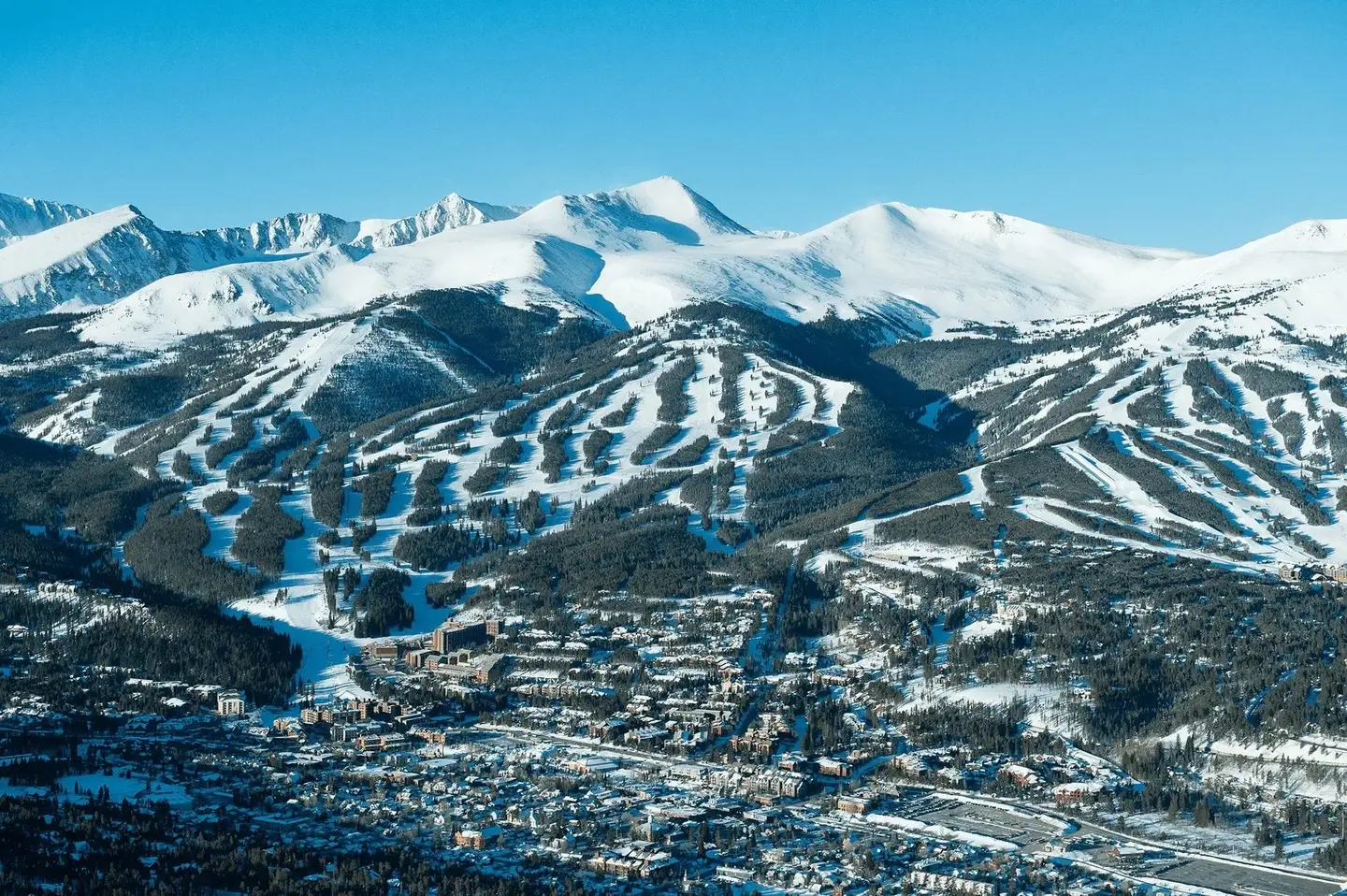
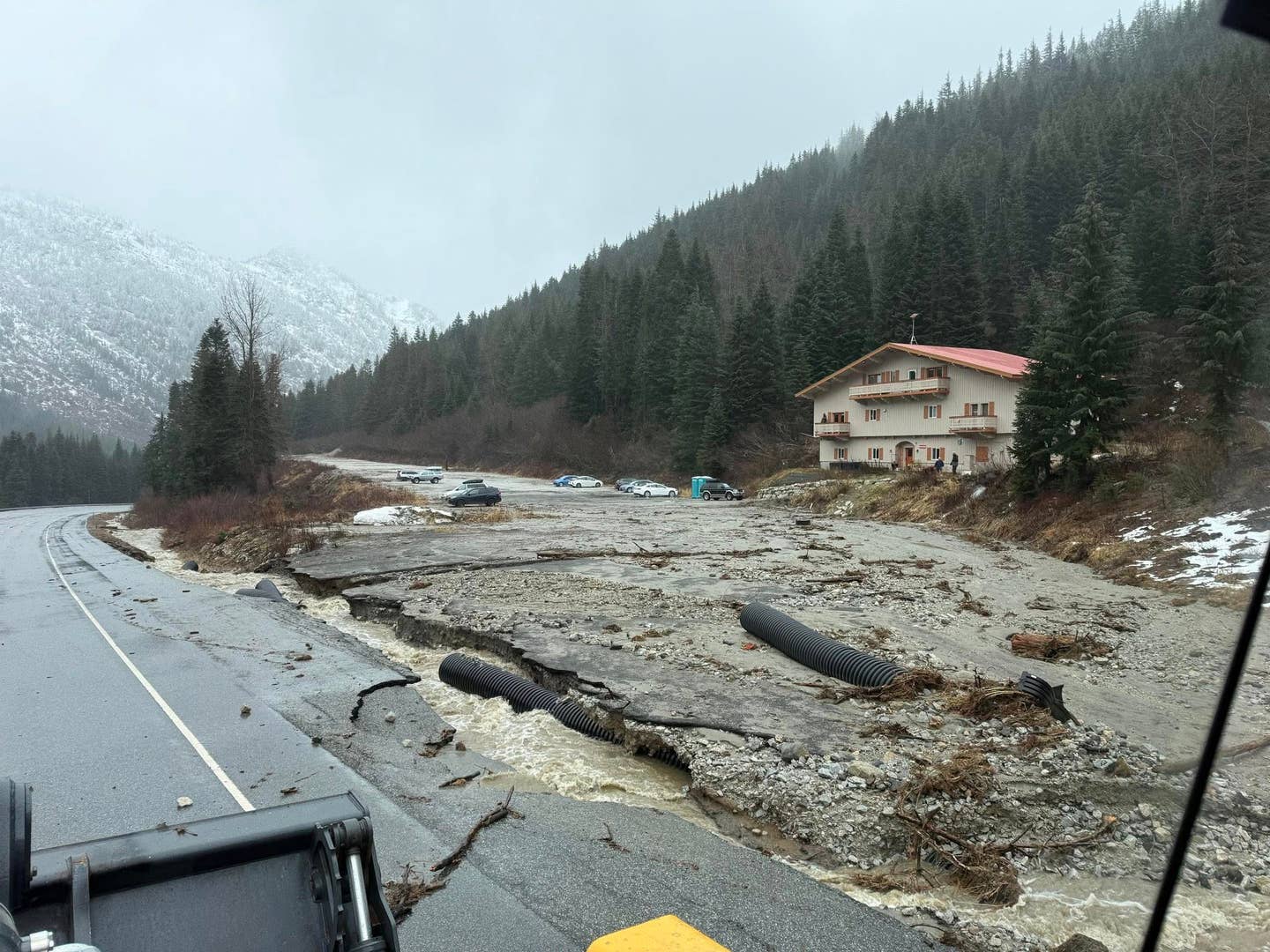
The early 2026 season has been a brutal reality check for the North American ski industry. While we usually wait for the spring thaw to count the damage, Vail Resorts recently dropped a bombshell. North American visitation is down a staggering 20% compared to last year. With November and December snowfall across the West sitting at 50% below the 30-year average, the "Epic" experience has been replaced by a "wait and see" attitude from even the most die-hard locals.
30-Year Low for the Rockies
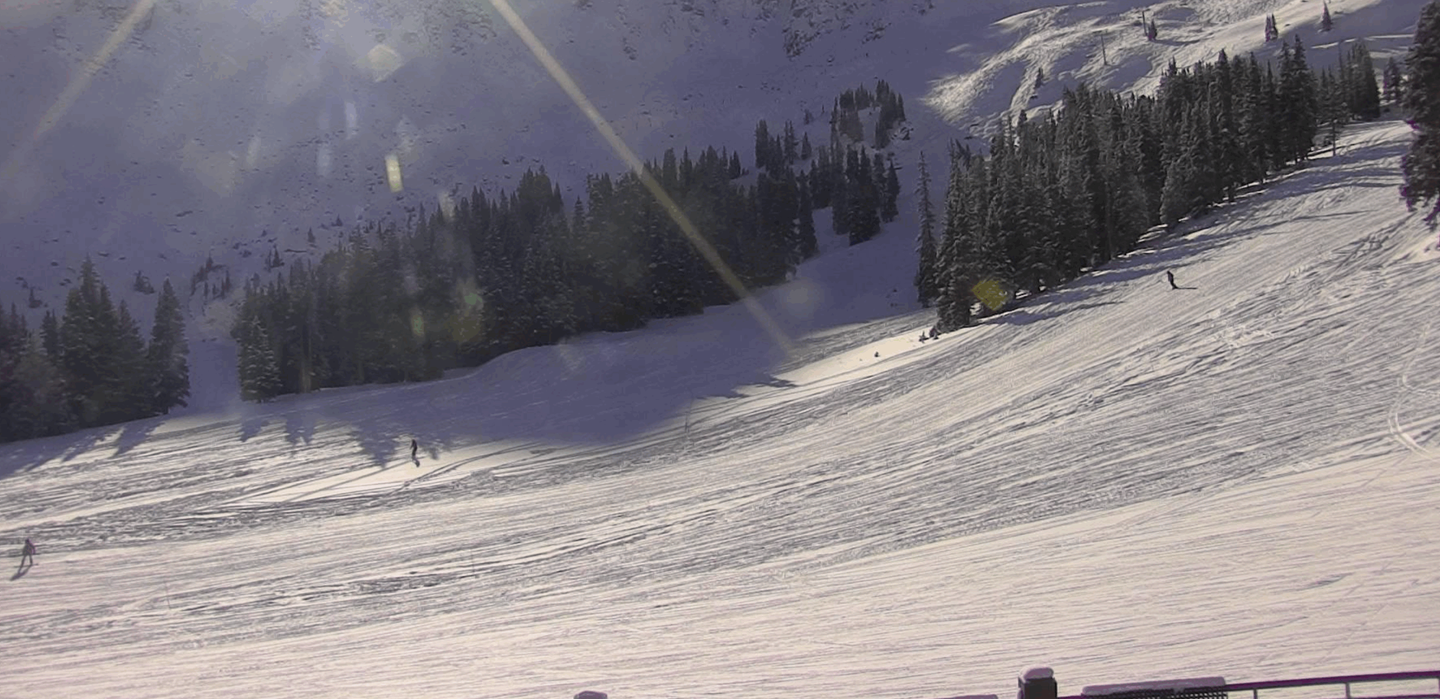
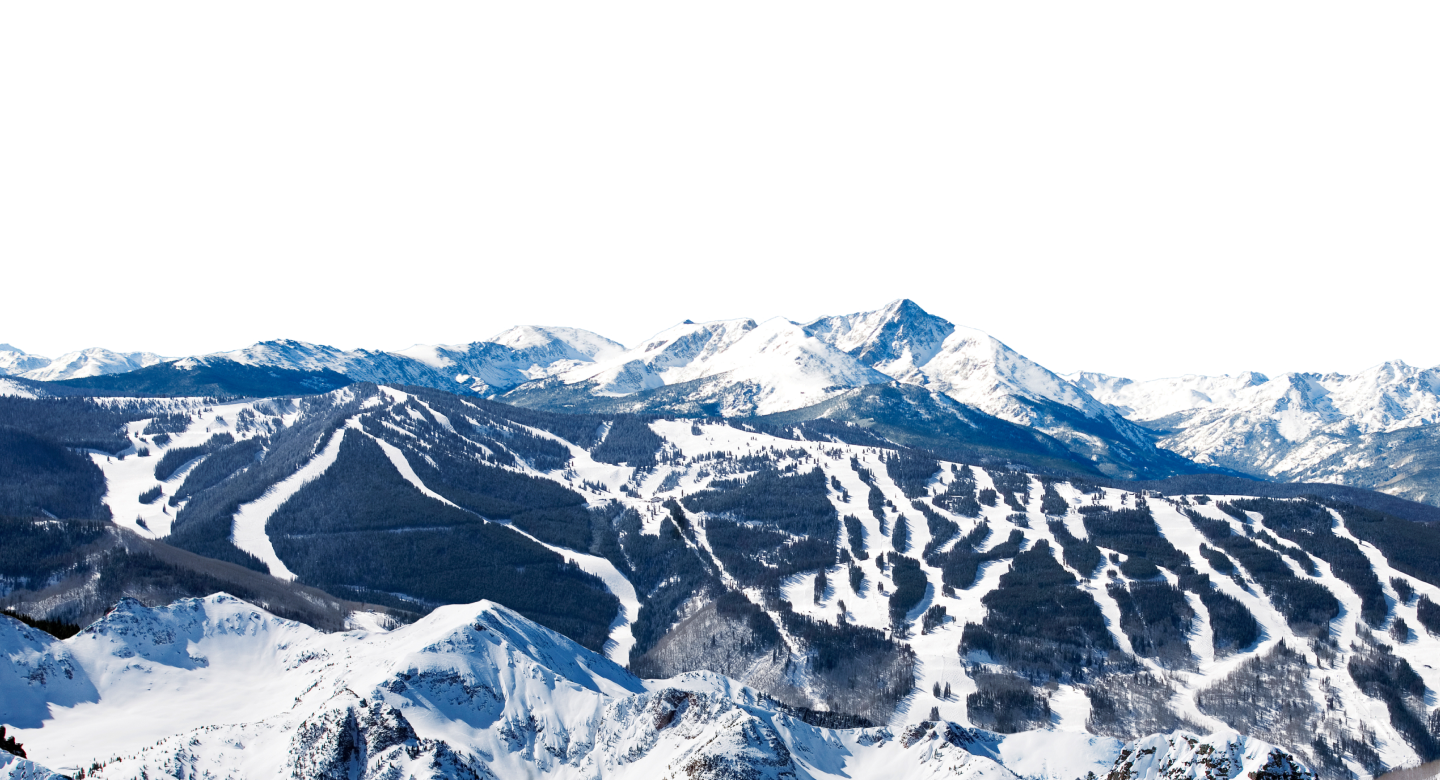
The numbers out of the Rockies are particularly grim. Snowfall in the region plummeted 60% below historic norms. This left only 11% of Vail’s total Rocky Mountain terrain open through the end of December. While Vail’s massive advance-commitment strategy, the Epic Pass, shielded their lift revenue from a total freefall (down only 1.8%), the lack of bodies on the mountain gutted other aspects of business. Ski school and dining revenues both saw double-digit drops as mid-winter powder days were replaced by the sound of snow cannons fighting a losing battle against warm temps.
The Ripple Effect on Independent Hills
If the corporate giants are feeling the heat, the independent and "smart" resorts are facing a full-blown existential crisis. Unlike the big players who can offset Western losses with strong early-season conditions in the East, smaller community staples don't have a diverse geographic portfolio to lean on.
Our Newsletter
These smaller areas are often the heartbeat of the TGR community—the places where the next generation of groms find their feet. For these hills, a 20% drop in visitation doesn't just mean lower earnings; it means shortened seasons, reduced operating hours, and a direct hit to the local mountain town economies that depend on them. Without the buffer of millions in pre-sold passes, the "smart" independent resorts are having to innovate faster than ever. They are pivoting to value-added programs and non-snow recreation just to keep the lights on.
The Tech vs. Mother Nature
Even the most advanced snowmaking technology has its limits. High "wet bulb" temperatures have made it nearly impossible for lower-elevation resorts to maintain a base, leading to a "zero-degree line" that is moving higher up the peaks every year. While we’ve seen late-season surges at spots like Whistler and Tahoe, the industry is increasingly divided into the "haves" (high-altitude resorts) and the "have-nots" (everyone else).