Colorado’s Front Range is Trying Out Bike-Only Trails
Popular Stories

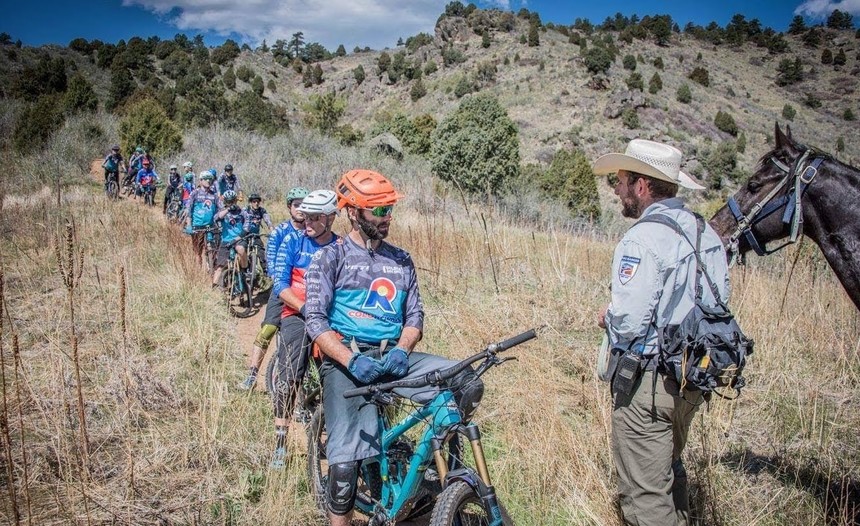 With actions born from a friendly ranger encounter, Front Range-based mountain bike crew the Colorowdies have managed to convince their local government for bike-only trails. Yann Photo Video photo.
Fact: The Front Range is getting crowded and something needs to be done to accommodate the rapid influx of hikers, mountain bikers, and runners sharing the existing trail network. In response to a bit of a growing crisis, Jefferson County, Colorado is trying something new: designating two popular mountain bike trails as bike-only for a one-year pilot program.
Just outside Denver, Jefferson County manages nearly 50,000 acres of open space, hosting 7 million annual recreational visitors. After studying which trails were used primarily by mountain bikers–due to their steep grade and unforgiving rocky nature–the county has officially designated roughly three miles of singletrack as bike-only. These include a 0.9-mile downhill-only section of the Longhorn Trail at Golden’s White Ranch Park, and the southernmost section of the steep and rocky Dakota Ridge Trail outside Morrison. The Longhorn trail will officially change its designation June 18, 2018 and Dakota Ridge’s is expected to be bike-only by August.
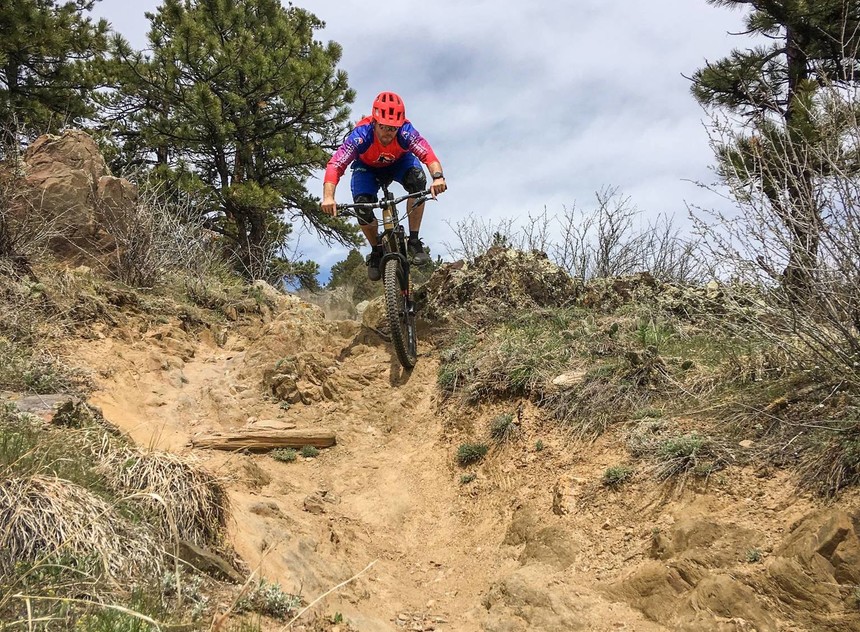 This section of White Ranch's Longhorn trail counts as some of the best technical riding on the Front Range, and riders are stoked to have it to themselves this year. Colorowdies photo.
Jefferson County Rangers plan to enforce the new rules but will make sure to ease confusion about trail use. This will come through obvious signage, installing a cattle guard at the trail entrance, and setting up booths at the trailhead to educate users.
Over the past few years, a Golden-based group of riders–the Colorowdies–have taken it upon themselves to solve the issue of trail user conflict. As riders, they feel that mountain bike-only trails are necessary for enjoying a safe ride in the hills, but understand that the trails were built with multi-use intentions and that other parties have a right to enjoy the same mountains. Their work has resulted in this year’s bike-only experiment.
For years, Jefferson County has experimented with various methods of trail management, including only allowing bikes on alternating days, which proved nearly impossible to enforce and extremely confusing for riders. When riders inevitably broke the rules, conflict ensued.
“When it came to mitigating this conflict, we realized that it was better for our user group to talk with each other to figure something out,” says Colorowdies VP Jeff Watrobka.
The group teamed up with other mountain bike associations in the area to effectively vocalize concerns about trail use and present them to the county in a constructive manner. As with any government project, there was initial pushback, with other groups voicing criticism.
“Of course, the trails we maintain and build are also pretty popular among trail runners, so some are bummed they can’t run those trails anymore,” says Watrobka. Runners, equestrians, and hikers were concerned that if bikers were getting something, what would they get? Watrobka’s answer is simple.
Sign Up for the TGR Gravity Check Newsletter Now
“What are you going to get? You already have it,” Watrobka says, referring to the fact that there are already nearly 30 miles of hiker/horse-only trail in the county, compared to the three miles bikers are receiving.
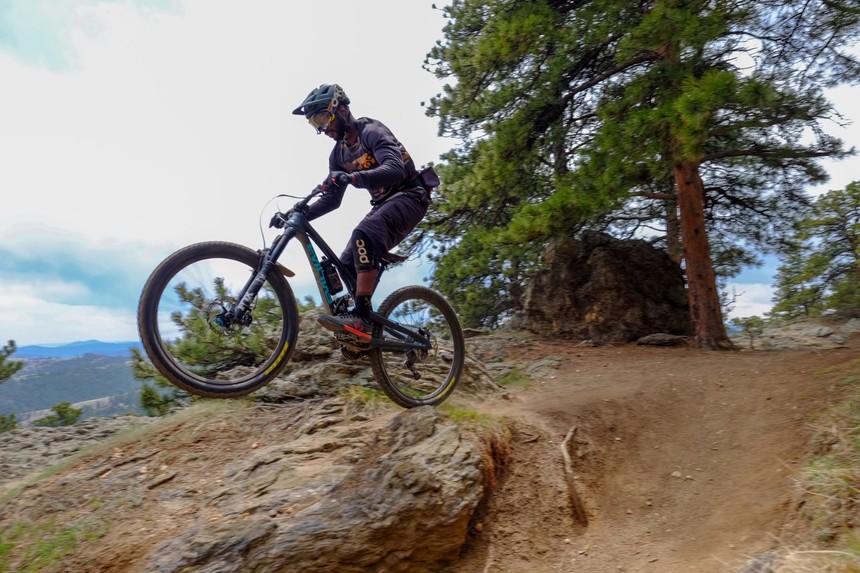 Ikhide Ikhigbonoaremen calls the trails of White Ranch home, and he's stoked to be able to do more of this without worrying about uphill traffic. Nick P photo.
“I think it’s been a long time coming and it’s nice to see that the county is aware of the growing popularity of mountain biking and ultimately making the trails safer for all parties,” says local ripper and member of the TGR Tested team Ikhide Ikhigbonoaremen. “By having designated areas for bikes and hiking, much like what Washington and Canada have been doing for years without problem, it’s become clear that it works to keep everyone safer and happier.”
For local riders, they have seen that their responsible trail stewardship goes a long way. Last year, mountain bikers clocked 3,500 man-hours of work towards trail maintenance in the county.
“We contribute to the trail system’s dig days, you don’t really see many hikers out there, but we all pay taxes that go to maintenance so we should all be able to have fun outdoors sharing the trails,” says Ikhigbonoaremen.
Tony Bentley, Colorowdies President, says that he hopes other areas can learn from their efforts.
“We’re not the only ones facing these problems,” Bentley says. “It’s nice to be able to talk with other trail management groups and share our experience so they can benefit from it too.”